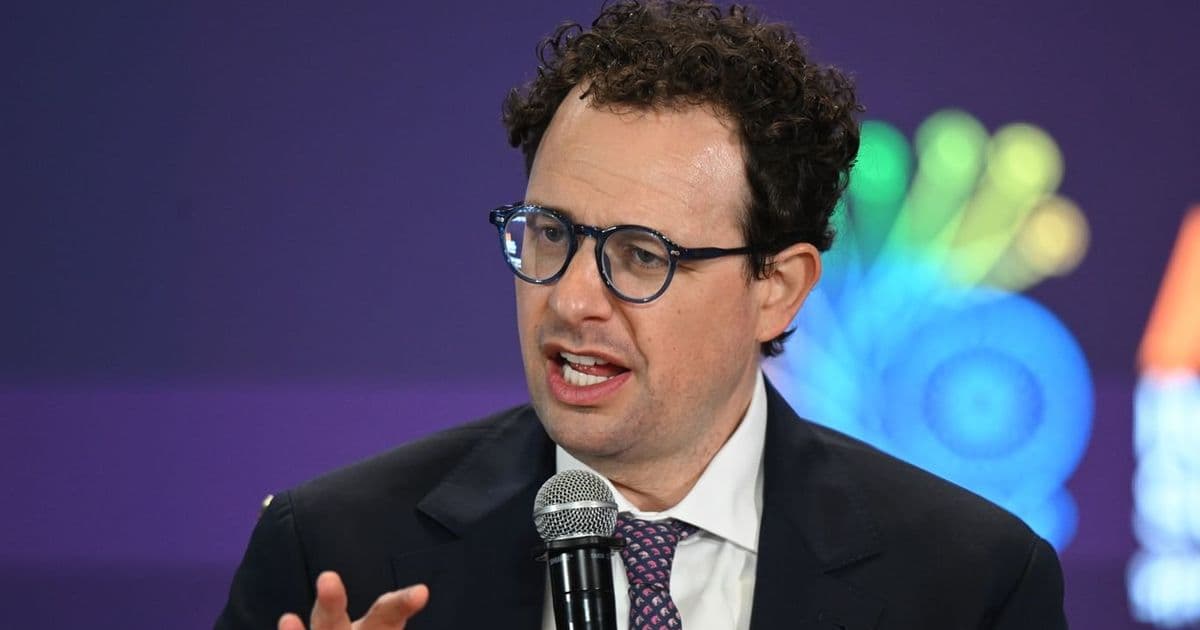
Anthropic CEO Dario Amodei is calling for the government to draw a hard line on dangerous AI capabilities, a stance that puts the $60 billion-plus startup at odds with rivals racing to ship faster and lighter on oversight. The position is both a safety argument and a competitive one.
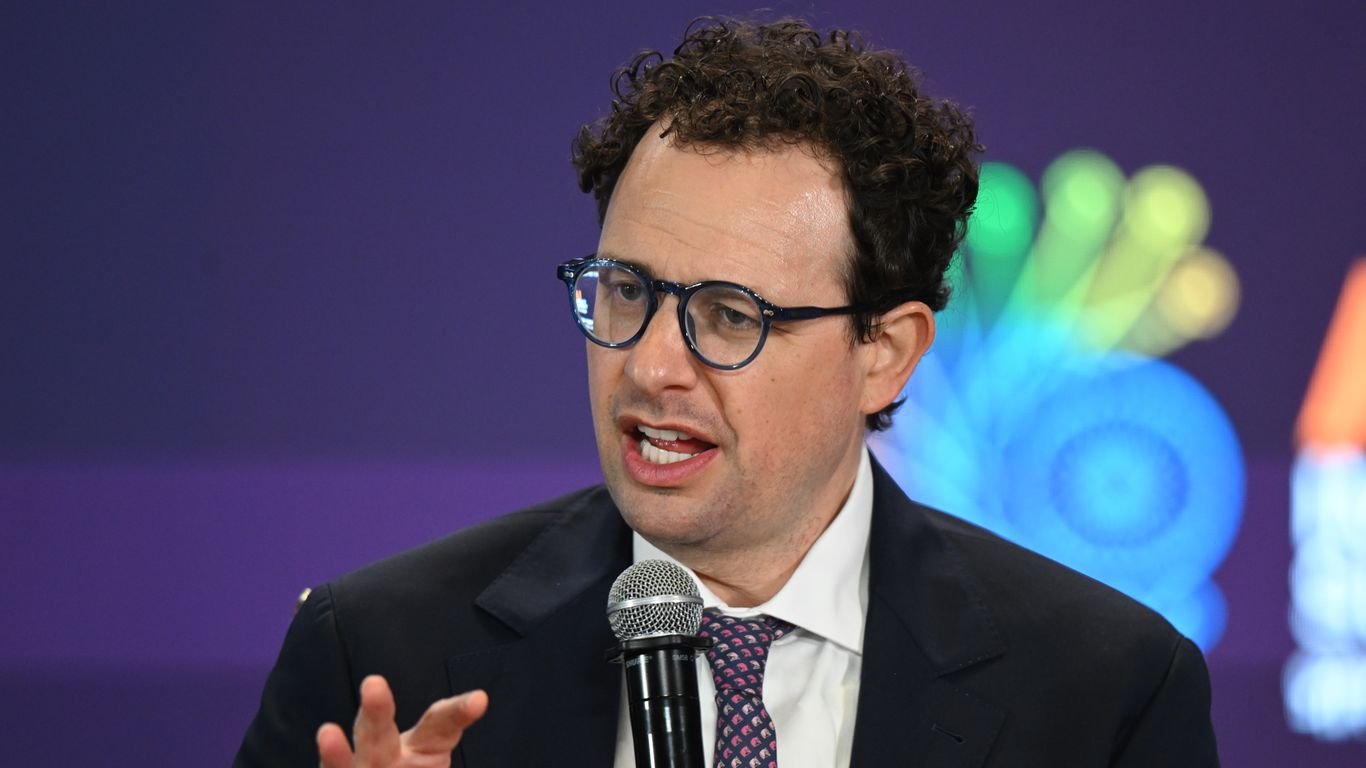
Anthropic CEO Dario Amodei is again pressing the case that the federal government should step in to block the most dangerous applications of artificial intelligence, a position that separates his company from much of the rest of an industry that has spent the past two years lobbying against binding rules.
The message is consistent with how Amodei has positioned Anthropic since he and a group of former OpenAI researchers founded the company in 2021. But the timing matters. The call lands as AI model capabilities accelerate, as Washington weighs how aggressively to regulate the sector, and as the economics of frontier AI development reward speed over caution.
What Amodei is actually arguing
Amodei's core claim is that some AI capabilities are dangerous enough that the market should not be left to decide whether they get built and deployed. That includes models that could meaningfully assist in the creation of biological, chemical, or cyber weapons, and systems whose behavior becomes difficult to predict or control as they scale.
The argument rests on a specific technical worry. As models grow larger and are trained on more data and compute, their capabilities improve in ways that are not always anticipated in advance. A model trained to be a better coding assistant can also become a better tool for writing malware. Anthropic has built much of its public identity around studying these emergent risks through what it calls a Responsible Scaling Policy, which ties the release of more powerful models to internal safety evaluations. You can read the framework on Anthropic's site.
Amodei's request to government is essentially to make some version of that gating mandatory across the industry, rather than voluntary and company by company.
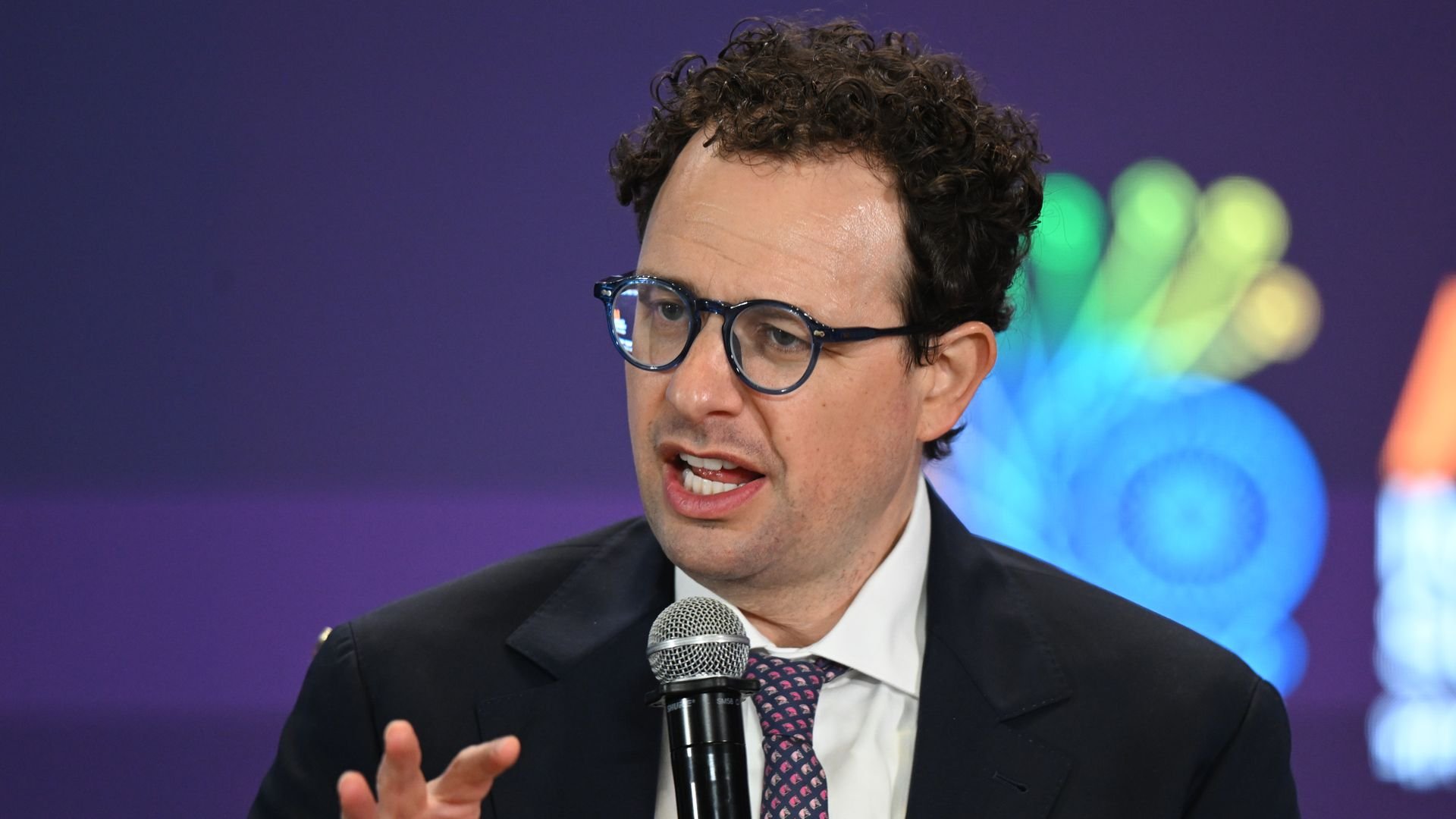
Why a safety pitch is also a business strategy
There is a financial logic running underneath the ethics. Anthropic has raised billions of dollars, with major commitments from Amazon and Google, and has been valued in the tens of billions in recent funding discussions. Its commercial product, the Claude family of models, competes directly with OpenAI's GPT line, Google's Gemini, and a growing field of open-weight challengers.
When a company that has invested heavily in safety research asks for industry-wide safety rules, it is asking regulators to standardize a cost that it has already chosen to absorb. Competitors that move faster and spend less on alignment and evaluation work would, under mandatory rules, lose part of that speed advantage. That does not make the safety concerns insincere, but it does mean the regulatory ask and the competitive position point in the same direction.
The same dynamic showed up in 2023 and 2024, when leading labs publicly supported the idea of licensing or oversight for frontier models while smaller developers and open-source advocates warned that such rules would entrench the incumbents who could afford compliance.
The market context
The broader AI market gives the debate its weight. Spending on AI infrastructure has run into the hundreds of billions of dollars, with hyperscalers including Microsoft, Amazon, Google, and Meta committing enormous capital budgets to data centers and chips, much of it flowing to Nvidia. That investment assumes a long runway of deployment and revenue. Regulation that slows or restricts certain model capabilities introduces a variable into those projections.
For Anthropic specifically, the strategy is to be the lab that enterprises and governments trust when they are nervous about deploying AI in sensitive settings. Mandatory safety standards would reinforce that brand. The company has pursued government and regulated-industry customers, segments where a documented safety posture is a selling point rather than a tax.
The risk for Anthropic is that Washington either does nothing, leaving its safety spending as a pure competitive disadvantage, or writes rules so loose that they provide cover without real constraint. The opposite risk, rules strict enough to slow the entire field, would cut into the revenue assumptions behind the company's own funding.
What changes from here
In the near term, very little is binding. The U.S. has leaned on voluntary commitments and executive action rather than comprehensive legislation, and the appetite in Washington for hard limits on a strategically important technology, especially with competition from China in the background, remains uncertain. State-level efforts, most visibly in California, have moved faster than federal action but have faced heavy industry pushback.
Amodei's repeated public appeals function partly as positioning for whatever regulatory framework eventually emerges. By staking out the strictest credible position now, Anthropic shapes the range of what counts as reasonable, and it builds a record it can point to when buyers, regulators, and lawmakers ask which lab took the risks seriously. Whether that translates into actual rules, and whether those rules favor the incumbents who asked for them, is the question the next phase of AI policy will answer.
Comments
Please log in or register to join the discussion