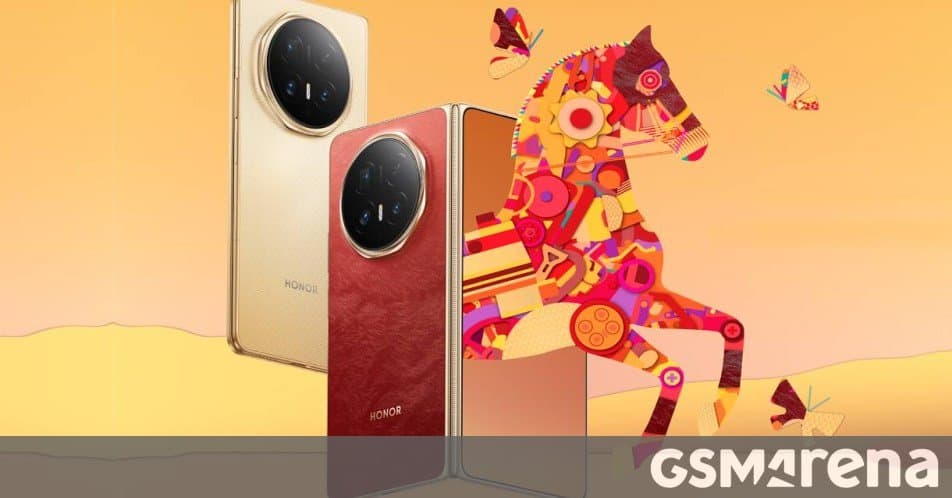
Honor is reaffirming a 7-year update promise for its Magic flagships as the Magic V6 foldable rolls out globally, and a new Magic OS feature called Virtual Permissions hints at how the company plans to fill that long support window with software, not just patches.
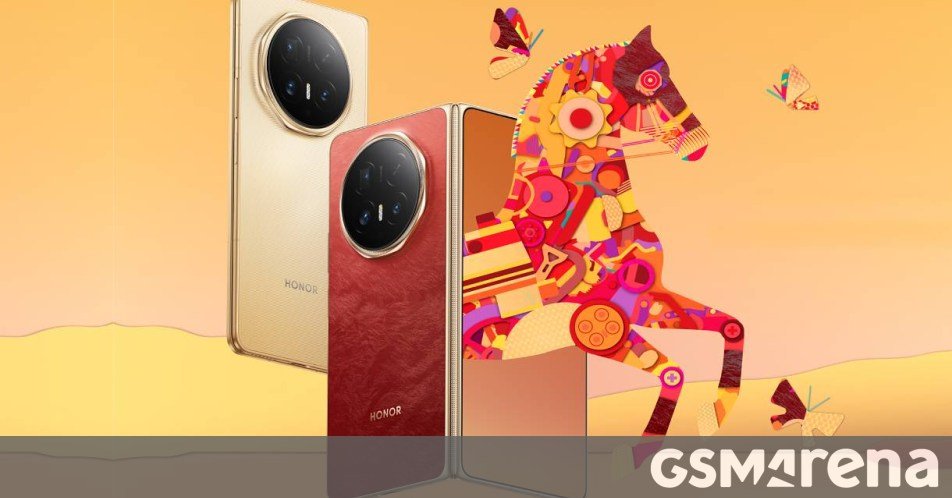
Honor used the global launch of the Magic V6 to put a number back on the table: seven years of OS updates and security patches for its Magic-series phones sold in the EU and the UK. The foldable started its international rollout last week with availability in Malaysia and Singapore, and Honor says a European launch is coming soon. Alongside that news, the company confirmed that the Magic V6 and its siblings carry the same long-term support commitment Honor made for the entire Magic line last year.
This is a reaffirmation rather than a brand-new policy, but it lands at a moment when update longevity has become one of the deciding factors in high-end phone purchases. Seven years of software support means a Magic phone bought in 2026 should keep receiving major Android version bumps and monthly security fixes into 2033. For a foldable that already costs flagship money, that kind of runway changes the long-term value calculation.
What the 7-year promise actually covers
The commitment splits into two parts that are easy to conflate. OS updates are the big yearly releases that move you from one Android generation to the next, bringing new features, redesigned interfaces, and platform-level changes. Security patches are the smaller, more frequent fixes that close vulnerabilities in Android and the underlying components. Honor is promising seven years of both for the Magic series, while its more affordable number-series phones get six years.
That puts Honor in the same tier as Samsung and Google, which both offer seven years of OS and security updates on their flagship and Pixel lines. Reaching that bar is harder than it sounds because every major Android update has to be merged with the manufacturer's own software layer, in Honor's case Magic OS, then validated against the specific silicon in each phone. Foldables add another wrinkle, since the software has to handle the transition between the cover display and the unfolded inner screen across every update.
There is also a regulatory backdrop. The EU's ecodesign and energy labelling rules for smartphones, which took effect in 2025, require manufacturers to provide at least five years of OS and security updates counted from the date the last unit of a model leaves the market, plus seven years of spare-parts availability. Honor's seven-year software pledge goes beyond the legal floor, but the EU rules explain why so many brands have converged on long support windows at roughly the same time.
Virtual Permissions: a small feature with a real point
The more interesting part of Honor's announcement is a software feature arriving in Magic OS build 10.0.0.160 called Virtual Permissions. It targets a familiar Android annoyance: apps that refuse to launch or function unless you grant them permissions they have no business needing, like a flashlight app demanding access to your contacts or a simple utility insisting on location data.
Virtual Permissions lets you tell an app that a permission has been granted while handing it nothing real. The app sees an empty contact list, a blank location, or no files, so it stops nagging and runs, but your actual data stays private. This is the same idea behind features in privacy-focused Android distributions and apps like Shelter or the permission spoofing in custom ROMs, brought into a mainstream manufacturer skin.
It is a genuinely useful tool because Android's standard permission model is binary at the moment of the prompt. You either grant access or the app can refuse to work. Virtual Permissions adds a third option that breaks that standoff. As one commenter on the original report put it, this is exactly the kind of behavior people wish Google would build into AOSP itself as a default. For now, it remains a Magic OS differentiator, and features like this are how a manufacturer justifies a seven-year support window. Long support is only valuable if the software keeps improving over those years rather than just receiving patches.
The ecosystem question for buyers outside China
Honor's Magic OS is built on Android, which means the usual ecosystem considerations apply. Outside China, Honor phones ship with Google Mobile Services, so the Play Store, Google's app suite, and the broader Android app ecosystem all work as expected. That matters for anyone weighing a Magic V6 against a Samsung or Pixel foldable, because it removes the app-availability uncertainty that affected some other manufacturers in the past.
The friction points are more about the skin than the ecosystem. In the reader comments on the original article, a recurring concern is how well Magic OS plays with third-party launchers, specifically whether swapping in something like Nova Launcher breaks recent-apps handling or gesture navigation. Heavy Android skins sometimes tie those system behaviors to the stock launcher, and for power users that can be a dealbreaker regardless of how many years of updates are promised. It is the kind of detail that a long support commitment does not address, and it is worth checking before committing to the platform.
For the rest of the buying public, the calculus is simpler. A Magic V6 bought today should stay current and secure for the better part of a decade, it runs the full Google-backed Android experience, and Honor is layering in privacy features that the base platform lacks. You can read more about the hardware in GSMArena's Honor Magic V6 hands-on, and Honor's own product pages cover the regional rollout details as the phone reaches Europe.
The broader pattern here is that update longevity has shifted from a Pixel-and-Samsung bragging right to a baseline expectation across the premium Android market, pushed along by EU regulation and competitive pressure. Honor matching the seven-year figure on a foldable, then backing it with features like Virtual Permissions, is a sign that the commitment is meant to be more than a spec-sheet line.
Comments
Please log in or register to join the discussion