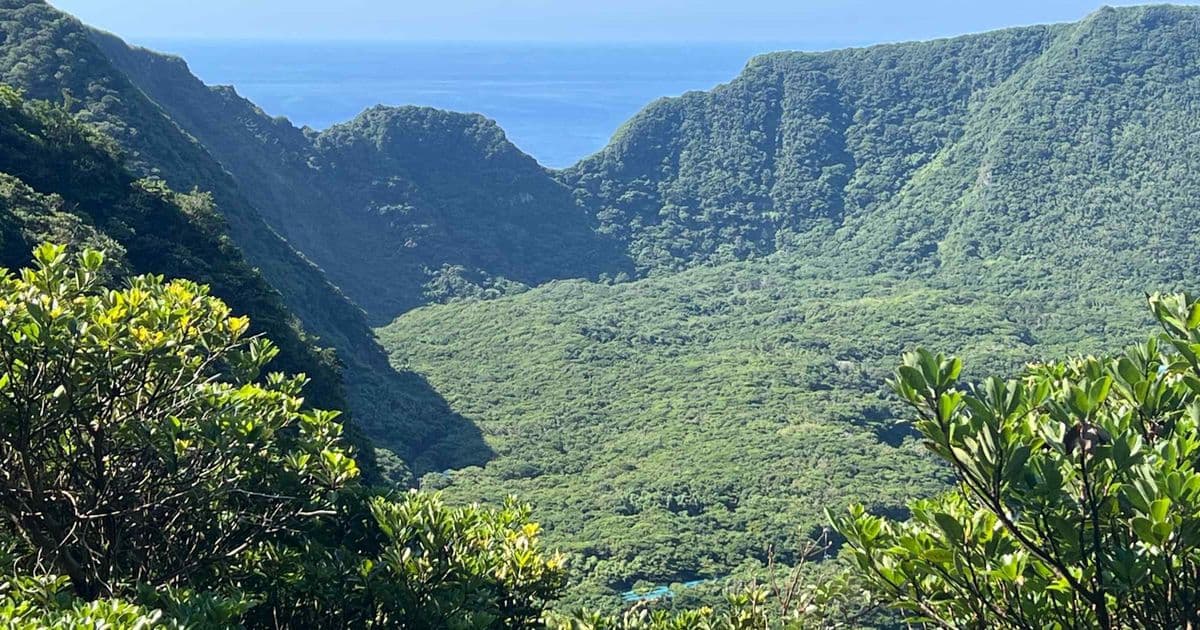
The volcanic island of Aogashima sustains its 160-resident community through controlled tourism and local industries despite 50% ferry cancellation rates and no traditional tourist infrastructure.
Logistics and Market Context
Aogashima's extreme remoteness creates significant tourism barriers: 50% of ferries from Hachijojima (64km away) cancel due to weather, while the 9-seat helicopter requires 30-day advance bookings. This limits annual visitors to approximately 1,200 people - a deliberate constraint allowing sustainable operations without hotels, restaurants, or beaches.
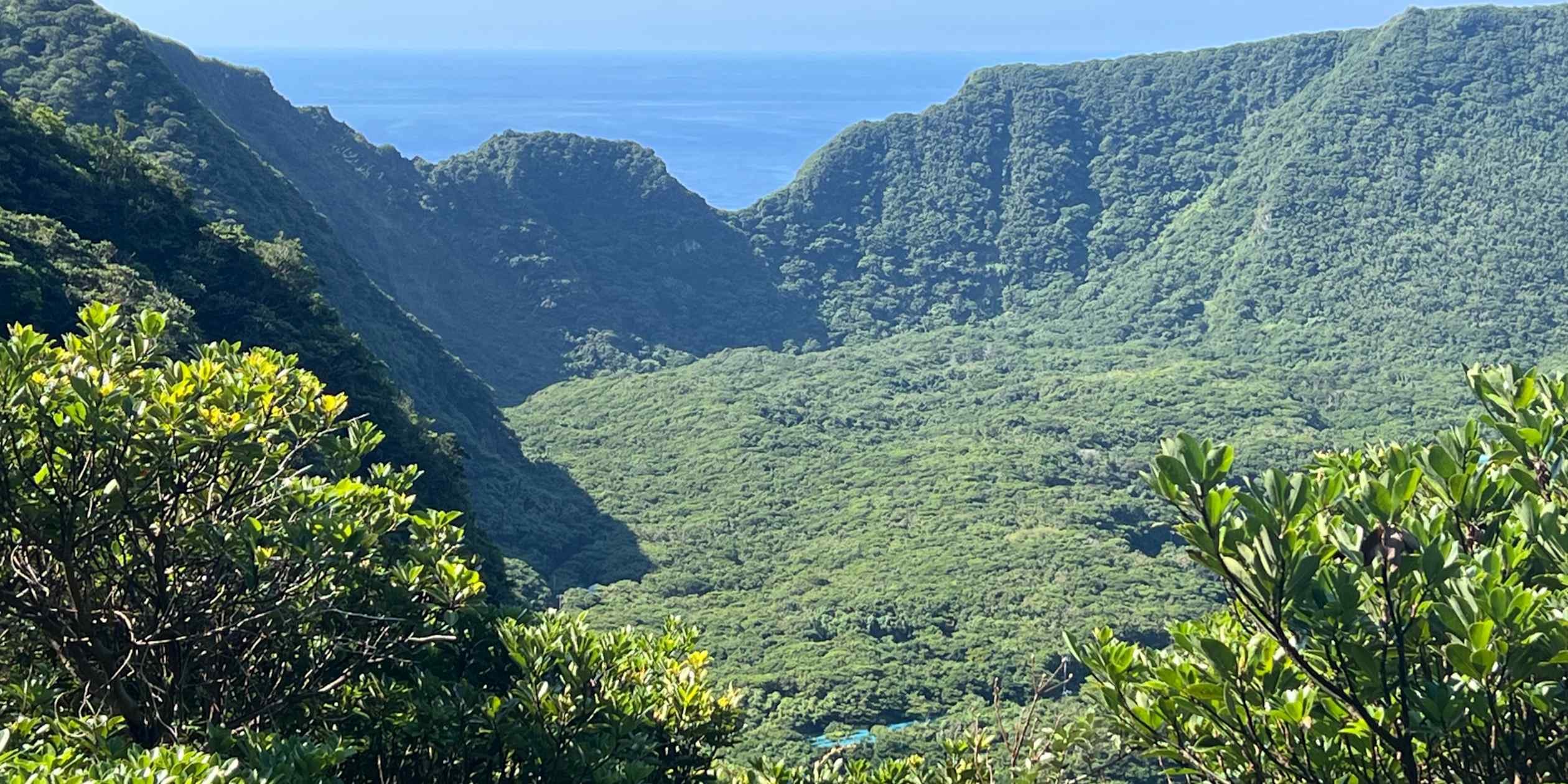 Sweeping view of Aogashima's volcanic caldera, the geological foundation of its economy
Economic Model
- Salt Production: Hingya Salt utilizes volcanic steam (50°C) to evaporate seawater, producing premium salt sold for ¥2,000/100g in Tokyo gourmet markets
- Distillery Operations: Aochu shochu leverages local ferns (otani-watari) during fermentation, generating ¥8M annual revenue
- Tourism: Just 3 minshukus (guesthouses) operate at ¥15,000/night including meals, capturing high-value travelers willing to accept no-choice dining
Strategic Implications
While most Japanese remote islands face depopulation, Aogashima's population remains stable at 160 due to:
- Controlled access preventing infrastructure strain
- Value-added exports (salt, shochu) comprising 40% of local income
- Cultural preservation through traditional steam-cooking practices
This isolation-first model presents a counterintuitive approach: limiting tourist volume (under 1,500 annual visitors) actually increases per-visitor spending 300% above Japan's island average while maintaining community integrity. As mass tourism strains destinations globally, Aogashima's 1785-erosion recovery blueprint offers lessons in resilience through scarcity economics.
Sources: Tokyo Metropolitan Government Remote Island Data, Aogashima Fisheries Cooperative
Comments
Please log in or register to join the discussion