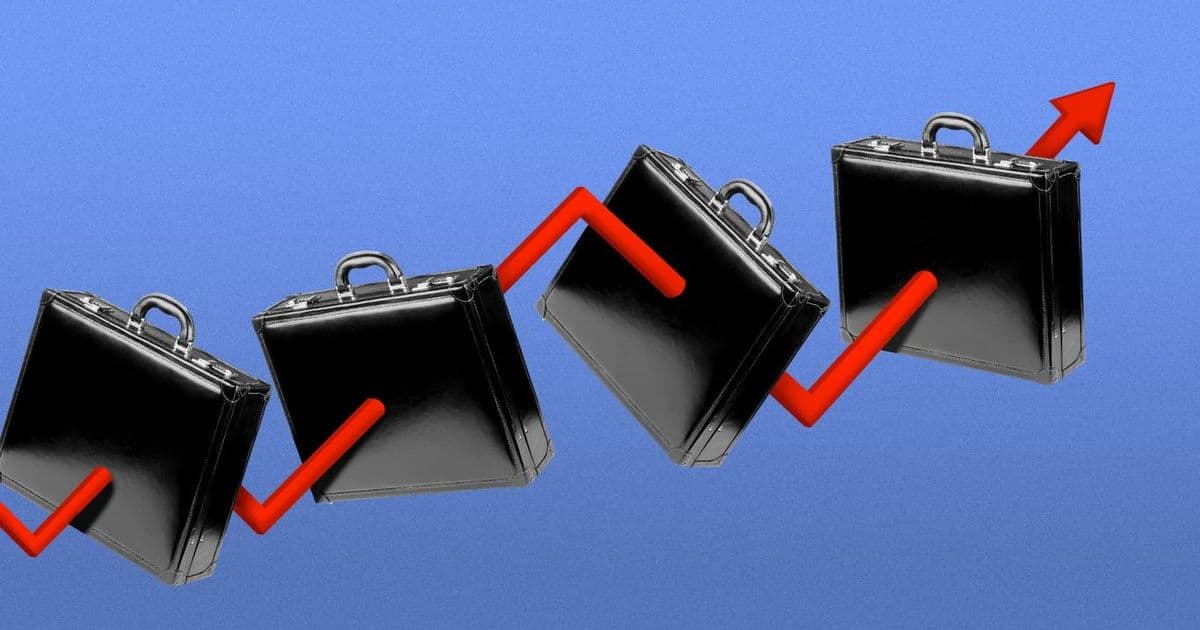
The labor market is showing signs of cooling after years of volatility, with layoffs and hiring freezes becoming more common as companies adjust to economic uncertainty.
The labor market is finally showing signs of stabilization after years of volatility, according to recent data that reveals a cooling trend across multiple sectors.
Despite ongoing concerns about Trump-era tariffs and the disruptive potential of artificial intelligence, the job market appears to be finding a new equilibrium. Companies are increasingly implementing hiring freezes and conducting layoffs as they navigate economic uncertainty.
This shift marks a significant change from the post-pandemic period when businesses competed fiercely for talent, often offering premium salaries and benefits to attract workers. The current environment suggests a more measured approach to workforce management is taking hold.
Several factors are contributing to this stabilization:
- Economic uncertainty: Businesses are becoming more cautious about expansion plans
- AI integration: Companies are reassessing roles that could be automated
- Supply chain adjustments: Ongoing tariff impacts are forcing operational changes
- Remote work evolution: The initial remote work boom is settling into hybrid models
The data indicates that while job openings still exist, the frenetic pace of hiring has slowed considerably. This cooling trend could be beneficial for both employers and employees in the long term, potentially leading to more sustainable wage growth and better work-life balance.
For workers, this means the job market is becoming less volatile, though opportunities may be more limited than during the peak hiring periods of recent years. The stabilization could also lead to improved job security as companies focus on retention rather than constant expansion.
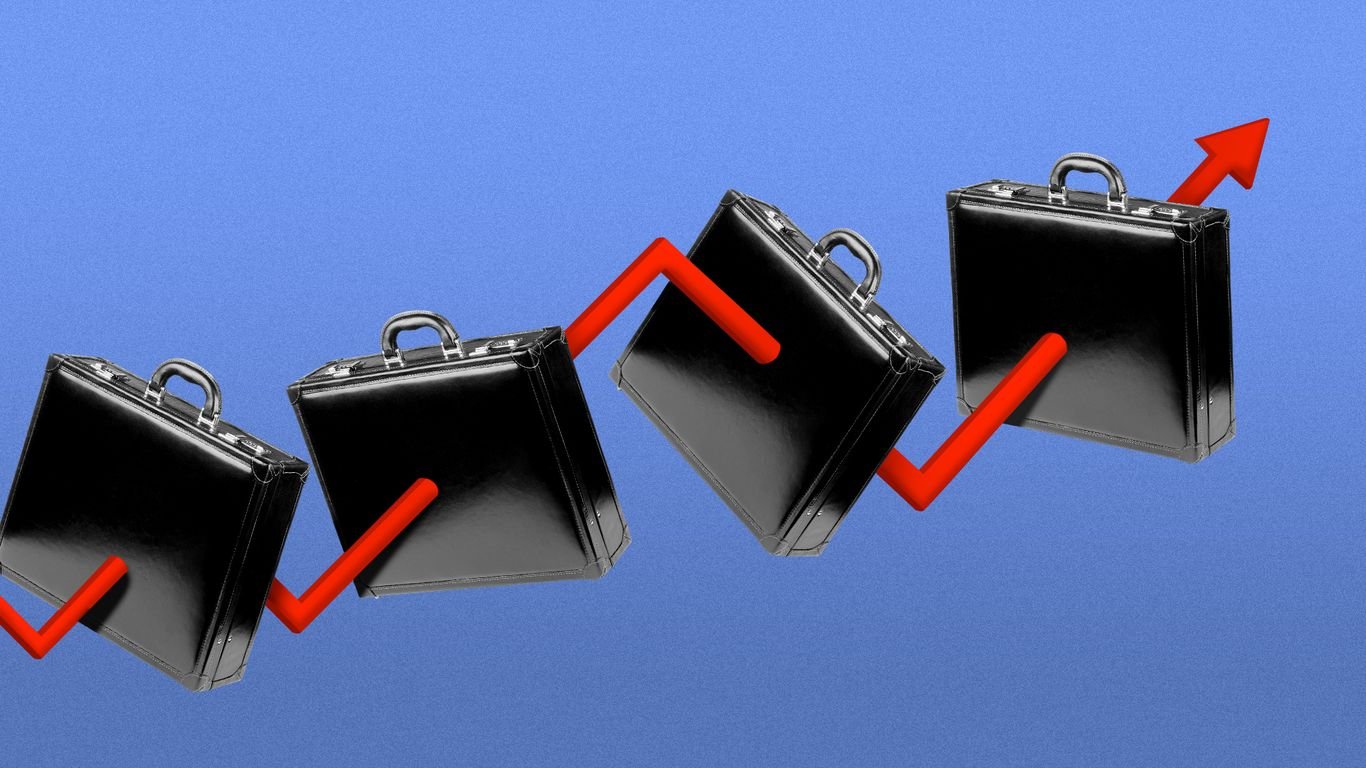
The labor market's adjustment comes as businesses adapt to a new economic reality where rapid growth is no longer the primary objective. Instead, companies are prioritizing efficiency and sustainability, which may result in more stable employment conditions even if the overall number of available positions decreases.
This trend suggests that the labor market is maturing beyond the extremes of both the pandemic hiring surge and the subsequent uncertainty, moving toward a more balanced state that could prove more resilient to future economic shocks.
Comments
Please log in or register to join the discussion