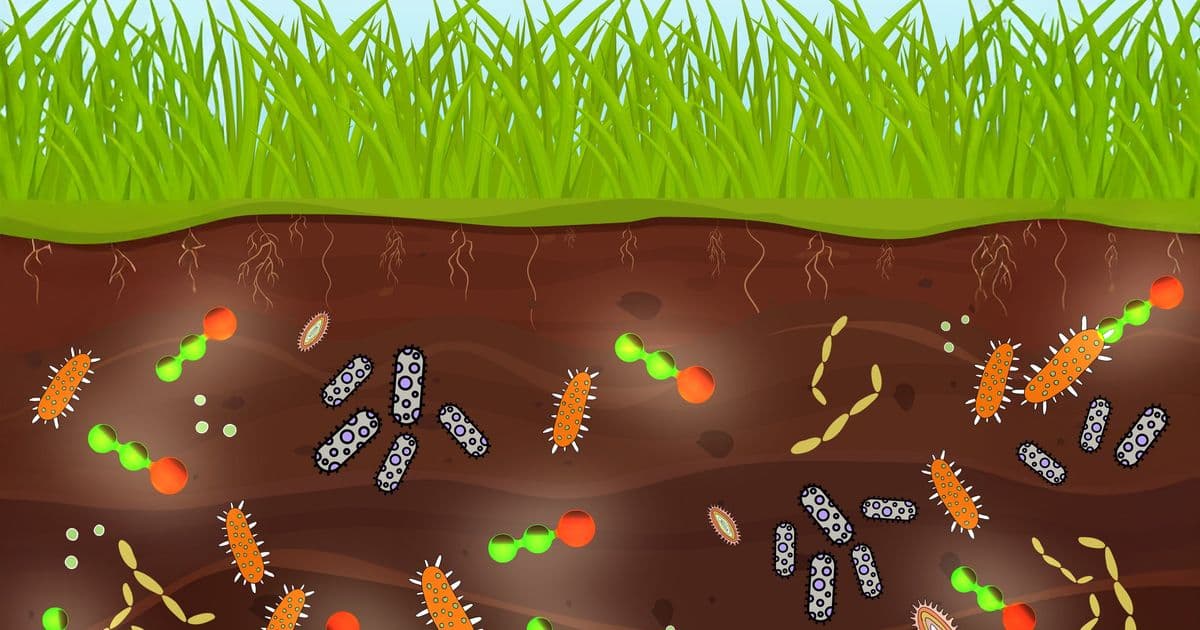
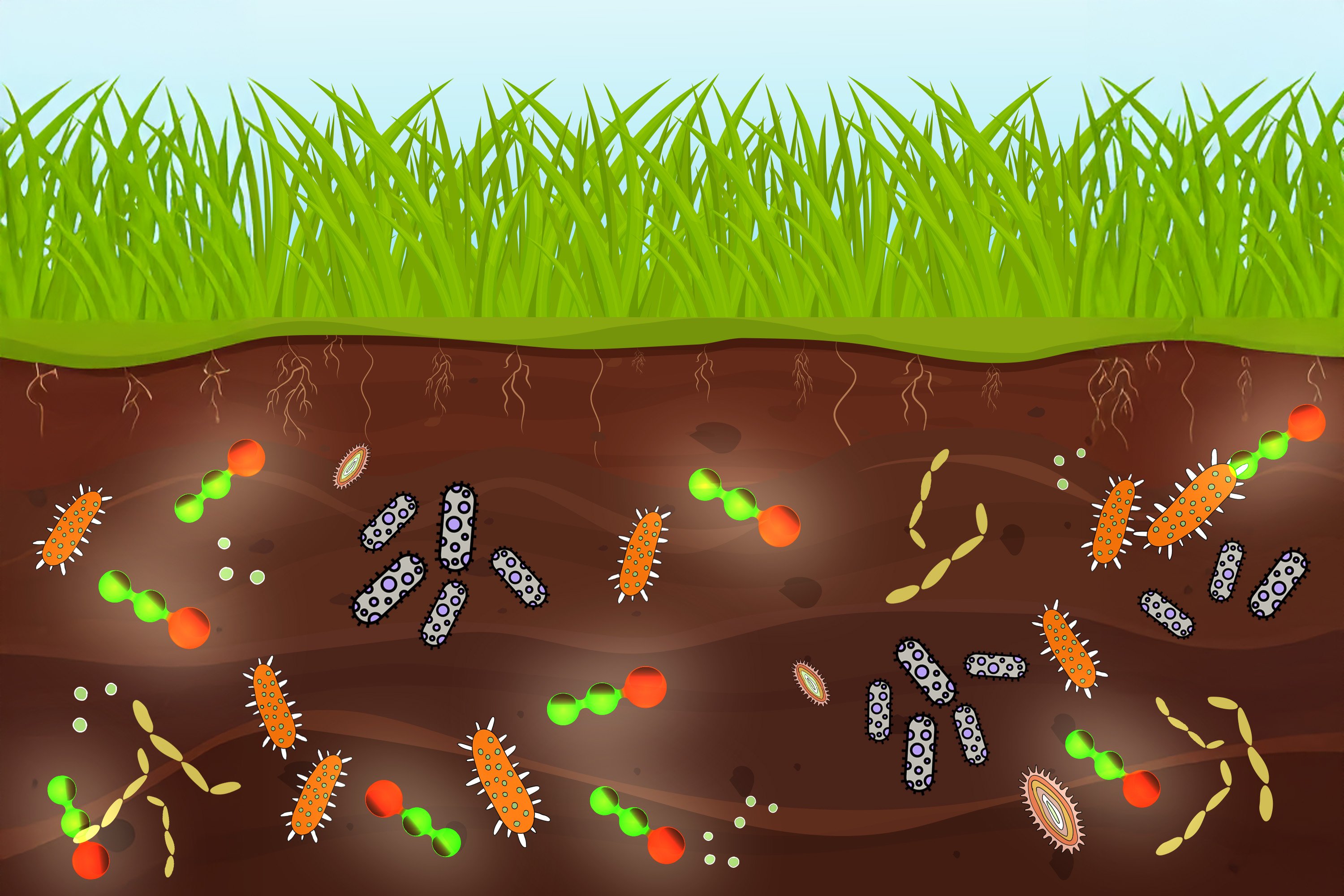
A surprising MIT study reveals that nitrous oxide produced by soil microbes can harm certain bacteria that support plant growth, potentially reshaping how farmers manage fertilization and irrigation practices.
A new study from MIT researchers reveals that nitrous oxide (N2O), a common byproduct of agricultural practices, may harm beneficial soil bacteria that support plant growth. The findings, published today in mBio, suggest this greenhouse gas plays a more complex ecological role than previously understood, potentially influencing how farmers manage crop health through fertilization and irrigation practices.
While N2O has long been studied primarily for its climate impact as a potent greenhouse gas, the research led by Darcy McRose, MIT's Thomas D. and Virginia W. Cabot Career Development Professor, and PhD student Philip Wasson demonstrates that this gas can shape microbial communities in ways that affect plant health.
The Hidden World Beneath Our Feet
Plant growth depends on complex interactions among millions of soil microbes competing and cooperating at the plant root, known as the rhizosphere. These microbes perform crucial functions including improving nutrient access and protecting against pathogens. However, as they metabolize, many soil microbes produce nitrous oxide as a byproduct.
While some N2O occurs naturally, agricultural practices like fertilizer application can cause its levels to spike dramatically. Until now, researchers assumed this gas didn't meaningfully interact with living organisms in the soil.
"In general, there's an assumption that N2O is not harmful at all despite this history of published studies showing that it can be toxic in specific contexts," McRose explains. "People have not extended that understanding to microbial communities in the rhizosphere."
The Vitamin B12 Connection
The MIT team's research uncovered a surprising mechanism: nitrous oxide can deactivate vitamin B12 in certain bacteria, disrupting their ability to produce methionine, an essential amino acid for cell growth.
Using the well-studied microbe Pseudomonas aeruginosa, the researchers genetically removed the enzyme that doesn't depend on B12 for methionine production. This made the microbe sensitive to nitrous oxide, with its growth harmed even by nitrous oxide it produced itself.

From Lab to Field
The researchers then examined a synthetic microbial community from the plant Arabidopsis thaliana, finding that many root-based microbes were also sensitive to nitrous oxide. When sensitive microbes were grown alongside nitrous oxide-producing bacteria, their growth was hampered.
Based on the prevalence of the biological processes disrupted by nitrous oxide, the researchers estimate that about 30 percent of all bacteria with sequenced genomes are susceptible to nitrous oxide toxicity.
Implications for Agriculture
In agricultural settings, soil commonly experiences spikes of nitrous oxide for days or weeks following nitrogen fertilizer addition, rainfall, thawing, and other events. These findings suggest that N2O production could be another factor farmers need to consider when managing crop health.
"This work suggests N2O production in agricultural settings is worth paying attention to for plant health," McRose says. "It hasn't been on people's radar, but it is particularly harmful for certain microbes. This could be another knock against N2O in addition to its climate impact."
Next Steps
While the lab experiments provide clear evidence of nitrous oxide's effects on microbial communities, the researchers caution that field studies are needed to confirm these findings in real agricultural settings.
"In agricultural environments, N2O has been historically high," Wasson notes. "We want to see if we can detect a signature for this N2O exposure through genome sequencing studies, where the only microbes sticking around are not sensitive to N2O."
The research was supported by the MIT Research Support Committee and a MIT Health and Life Sciences Collaborative Graduate Fellowship (HEALS).

The findings could lead to new approaches for managing soil health, potentially influencing the timing of fertilization and irrigation to minimize harmful spikes in nitrous oxide that could disrupt beneficial microbial communities. As climate change concerns grow alongside the need to feed a growing population, understanding these complex soil interactions becomes increasingly important for sustainable agriculture.
For more information about this research, visit the McRose Lab at MIT's Department of Civil and Environmental Engineering.
Comments
Please log in or register to join the discussion