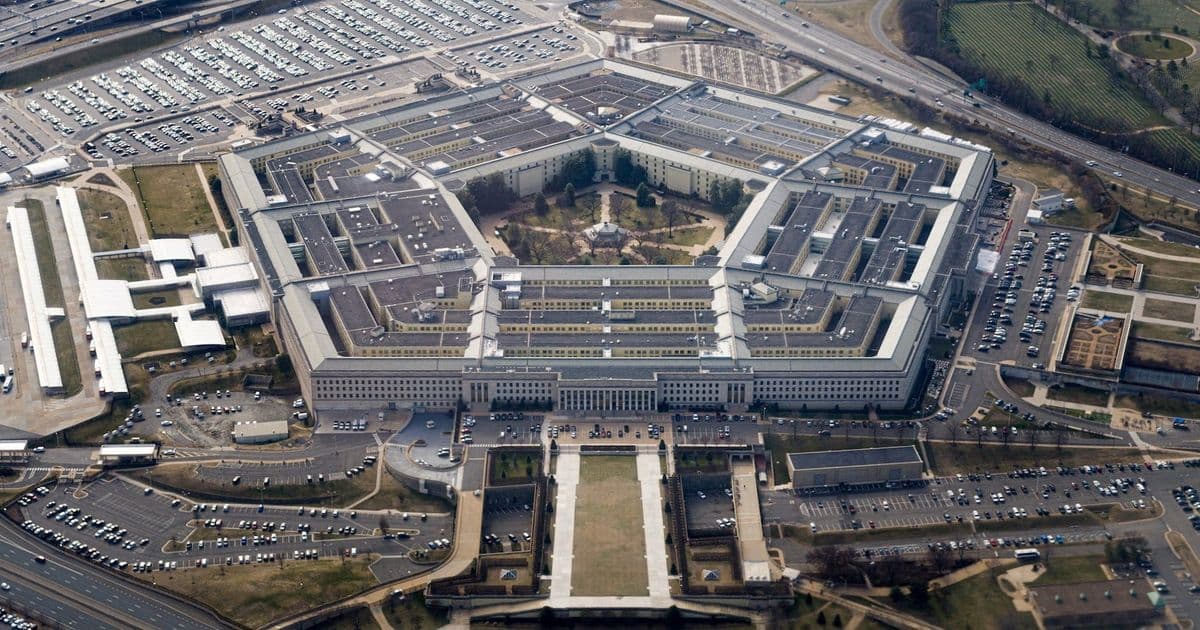
Sources say investors are pushing Anthropic to resolve its conflict with the US Department of Defense, worried that the dispute could trigger a "supply-chain risk" designation that would harm the AI company's business relationships.
The ongoing dispute between Anthropic and the US Department of Defense has reached a critical juncture, with sources revealing that some of the AI company's investors are now pressuring Anthropic to de-escalate the conflict. The investors' primary concern centers on the potential for Anthropic to be designated as a "supply-chain risk," which could have severe implications for the company's business operations and partnerships.
According to Reuters, the investors' push comes as Anthropic and the DOD continue to engage in talks, suggesting that while tensions remain high, both parties are still attempting to find common ground. The supply-chain risk designation is particularly worrisome because it could trigger a cascade of negative consequences for Anthropic, including potential restrictions on government contracts, difficulties in securing partnerships with other defense contractors, and broader reputational damage in the defense and intelligence sectors.
The dispute appears to stem from Anthropic's reluctance to fully comply with certain DOD requirements regarding the deployment and use of its AI systems. While the specific details of the disagreement remain unclear, it's evident that the company's stance has created friction with defense officials who view Anthropic's technology as strategically important for national security applications.
This investor pressure highlights the complex balancing act that AI companies must perform when navigating the defense sector. On one hand, working with the DOD can provide substantial revenue opportunities and validation of their technology's capabilities. On the other hand, such partnerships often come with ethical considerations and potential conflicts with a company's stated mission or values.
Anthropic, founded by former OpenAI researchers, has positioned itself as an AI safety-focused company, emphasizing the development of "reliable, interpretable, and steerable" AI systems. This positioning may be contributing to the current tensions with the DOD, as the company may be pushing back against certain military applications of its technology that it deems unsafe or misaligned with its safety principles.
The timing of this dispute is particularly sensitive given the current geopolitical climate and the increasing importance of AI in military and intelligence operations. The US government has been aggressively pursuing AI capabilities to maintain technological superiority over strategic competitors, making companies like Anthropic valuable partners despite any disagreements.
From an investor perspective, the supply-chain risk designation represents a significant business risk that could undermine Anthropic's growth trajectory and market position. Such a designation could lead to:
- Loss of existing government contracts or delays in contract renewals
- Difficulty in winning new government business
- Reduced attractiveness to other defense contractors as a partner
- Potential exclusion from certain research grants and funding opportunities
- Negative impact on stock valuation and ability to raise capital
The fact that investors are now actively pushing for resolution suggests that the dispute has reached a point where the business risks outweigh whatever principles or concerns initially motivated Anthropic's resistance to DOD requirements.
This situation also reflects broader tensions in the tech industry regarding the role of AI companies in defense and military applications. While some companies have embraced these opportunities, others have faced internal protests and public backlash when pursuing defense contracts. Anthropic appears to be navigating this complex landscape, trying to maintain its safety-focused brand while also engaging with important government customers.
The ongoing talks between Anthropic and the DOD suggest that a resolution may still be possible, though the investor pressure adds a new dimension to the negotiations. The company will likely need to find a way to address the DOD's requirements while maintaining enough distance from applications it considers problematic to preserve its brand identity and internal cohesion.
As the AI industry continues to mature, these types of conflicts are likely to become more common as companies grapple with the dual-use nature of their technology and the competing demands of commercial success, ethical principles, and national security interests. The outcome of Anthropic's dispute with the DOD could set important precedents for how other AI companies navigate similar challenges in the future.
The investor pressure also underscores the reality that even companies with strong ethical missions must ultimately satisfy their financial backers. In the competitive AI landscape, where massive capital investments are required to stay competitive, the ability to maintain good relationships with government customers may prove essential for long-term survival and success.
As this situation develops, industry observers will be watching closely to see how Anthropic balances these competing pressures and whether the company can find a path forward that satisfies both its investors and its stated commitment to AI safety and responsible development.
Comments
Please log in or register to join the discussion