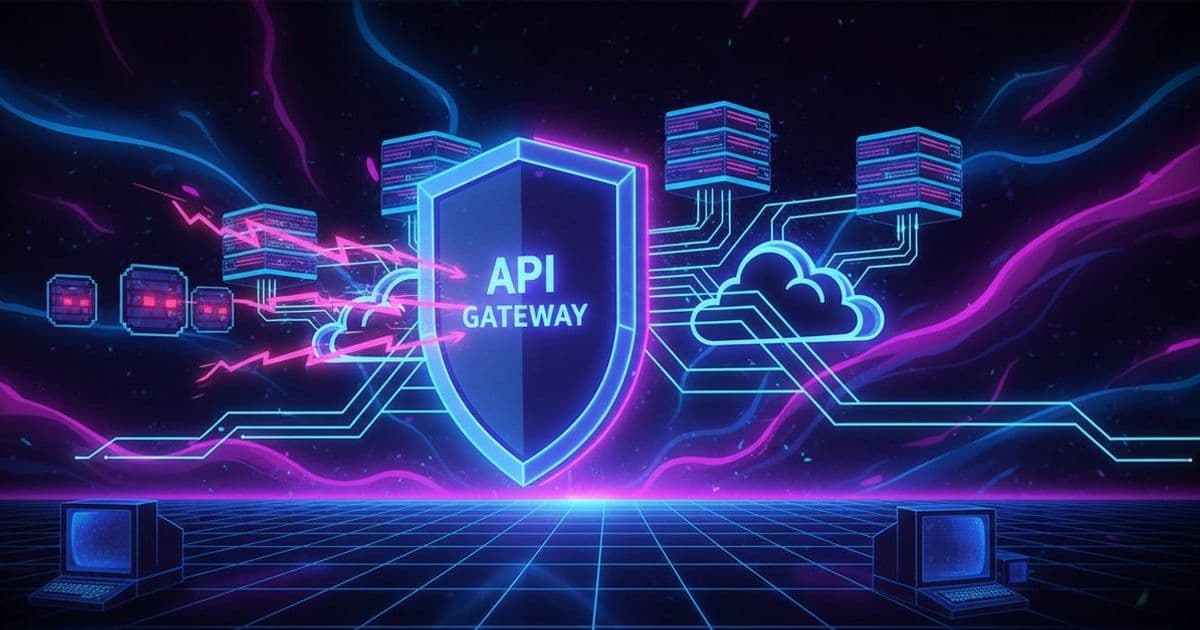
As APIs become the backbone of modern digital infrastructure, organizations must implement comprehensive security strategies that go beyond basic authentication to protect against sophisticated cyber threats.
APIs have become the connective tissue of modern digital infrastructure, enabling everything from mobile banking transactions to real-time inventory management systems. However, this central role also makes them prime targets for increasingly sophisticated cyber attacks. Understanding how to build resilient API security isn't just about implementing the right tools—it's about designing systems that can withstand and recover from attacks while maintaining service availability.
The Evolving Threat Landscape
The traditional perimeter-based security model is obsolete in today's API-driven world. Attackers no longer need to breach firewalls to access sensitive data—they can exploit vulnerabilities in exposed API endpoints. Modern API attacks often involve sophisticated techniques like credential stuffing, where attackers use automated tools to test stolen username and password combinations across multiple services.
Consider the scale: a single compromised API endpoint can expose millions of user records, financial transactions, or proprietary business data. The financial impact extends beyond immediate losses—reputational damage and regulatory penalties can cripple organizations for years.
Beyond Basic Authentication: Advanced Security Patterns
While strong authentication forms the foundation of API security, modern threats require layered defense strategies. OAuth 2.0 and JWT tokens provide robust authentication, but they must be combined with additional security controls.
Token Management and Rotation Effective token management goes beyond initial authentication. Implementing short-lived access tokens with refresh mechanisms reduces the window of opportunity for attackers. When a token is compromised, its limited lifespan minimizes potential damage.
Context-Aware Authorization Modern authorization systems consider multiple factors beyond user roles. Geographic location, device fingerprinting, time of access, and historical usage patterns all contribute to risk assessment. This approach, known as adaptive authentication, can automatically trigger additional verification steps when suspicious patterns emerge.
Rate Limiting as a Security Control
Rate limiting serves dual purposes: protecting against DDoS attacks while ensuring fair resource allocation. However, effective rate limiting requires more than simple request counting.
Intelligent Rate Limiting Strategies Different API endpoints have different sensitivity levels and resource requirements. A payment processing endpoint might allow only 5 requests per minute per user, while a public data endpoint could handle 100 requests. Implementing tiered rate limiting based on endpoint sensitivity and user tiers provides granular control.
Distributed Rate Limiting In distributed systems, rate limiting must work across multiple API instances. Using distributed caching systems like Redis or implementing token bucket algorithms ensures consistent rate limiting even when traffic is distributed across multiple servers.
Input Validation: The First Line of Defense
Input validation isn't just about preventing SQL injection—it's about validating the entire request context. Modern validation frameworks should check:
- Data type and format compliance
- Size limits and boundary conditions
- Business logic constraints
- Temporal validity (expiration dates, time windows)
- Relationship integrity between parameters
Schema Validation Implementing strict API schemas using tools like OpenAPI specifications ensures that only valid requests reach your business logic. Schema validation catches malformed requests before they consume system resources.
API Gateway Architecture: Centralized Security Control
API gateways have evolved from simple routing layers to comprehensive security platforms. Modern API gateways provide:
Traffic Management Beyond basic routing, gateways can implement sophisticated traffic management strategies like canary deployments, A/B testing, and circuit breaking. These capabilities help maintain service availability during partial outages or attacks.
Security Policy Enforcement Centralized policy enforcement ensures consistent security across all API endpoints. Policies can include authentication requirements, rate limiting rules, transformation rules, and audit logging.
Real-time Threat Detection Modern gateways integrate with threat intelligence feeds and can automatically block traffic from known malicious sources. They can also detect anomalous patterns like sudden traffic spikes or unusual request patterns.
Encryption: Protecting Data in Transit and at Rest
Encryption extends beyond basic TLS implementation. Organizations must consider:
End-to-End Encryption For highly sensitive data, end-to-end encryption ensures that even service providers cannot access the data. This approach is particularly important for financial services and healthcare applications.
Key Management Proper key management is critical for encryption effectiveness. Implementing hardware security modules (HSMs) and following key rotation best practices prevents long-term key compromise.
Continuous Monitoring and Threat Detection
Security monitoring has evolved from reactive log analysis to proactive threat hunting. Modern monitoring systems should:
Behavioral Analysis Machine learning algorithms can establish baseline behavior patterns and detect anomalies. This includes unusual API call patterns, unexpected data access patterns, or suspicious geographic access patterns.
Real-time Alerting Automated alerting systems should notify security teams of potential threats immediately. Integration with incident response platforms enables rapid containment and mitigation.
Audit Trails Comprehensive audit logging provides forensic capabilities for post-incident analysis. Logs should capture not just what happened, but who initiated the action and what data was accessed.
Security Testing: Beyond Vulnerability Scanning
Regular security testing should encompass multiple approaches:
Penetration Testing Professional penetration testing simulates real-world attack scenarios. This includes testing not just technical vulnerabilities but also social engineering aspects like credential theft.
Fuzz Testing Automated fuzz testing can uncover edge cases that manual testing might miss. This involves sending malformed or unexpected inputs to API endpoints to test their resilience.
Dependency Scanning Third-party dependencies can introduce vulnerabilities. Regular scanning of all dependencies, including transitive dependencies, helps identify and mitigate risks from outdated or compromised libraries.
The Business Impact of API Security
API security isn't just a technical concern—it's a business imperative. Organizations must consider:
Compliance Requirements Regulatory frameworks like GDPR, PCI DSS, and HIPAA impose specific security requirements. Non-compliance can result in substantial fines and legal consequences.
Customer Trust Data breaches erode customer trust, which can be more damaging than immediate financial losses. Building and maintaining trust requires demonstrating commitment to security through transparent practices and robust protections.
Competitive Advantage Organizations with strong API security can confidently pursue partnerships and integrations that might be too risky for less secure competitors. This can open new business opportunities and revenue streams.
Looking Forward: The Future of API Security
The API security landscape continues to evolve. Emerging trends include:
Zero Trust Architecture Moving beyond traditional perimeter security, zero trust assumes no user or system is inherently trustworthy. Every request must be authenticated and authorized, regardless of origin.
AI-Powered Security Artificial intelligence is enhancing threat detection capabilities, enabling faster response to emerging threats and more accurate risk assessment.
API Security as Code Treating security policies as code enables version control, automated testing, and consistent deployment across environments.
Building resilient API security requires ongoing commitment and adaptation. As threats evolve, so must defenses. Organizations that invest in comprehensive API security strategies position themselves to thrive in an increasingly connected and vulnerable digital landscape.
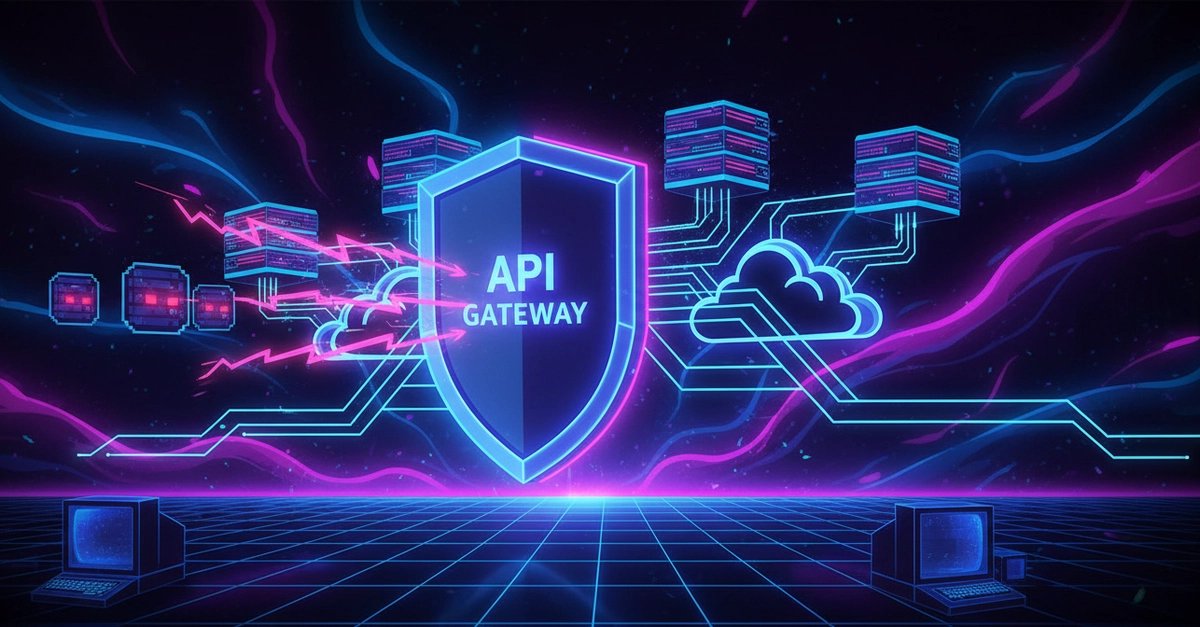
The image shows a modern API security architecture diagram, illustrating how various security layers work together to protect API endpoints. This visual representation helps understand the multi-layered approach to API security discussed in the article.

Heroku's platform provides built-in security features that can help organizations implement many of the API security best practices discussed in this article. Their managed services reduce the operational burden of maintaining secure API infrastructure.
Comments
Please log in or register to join the discussion