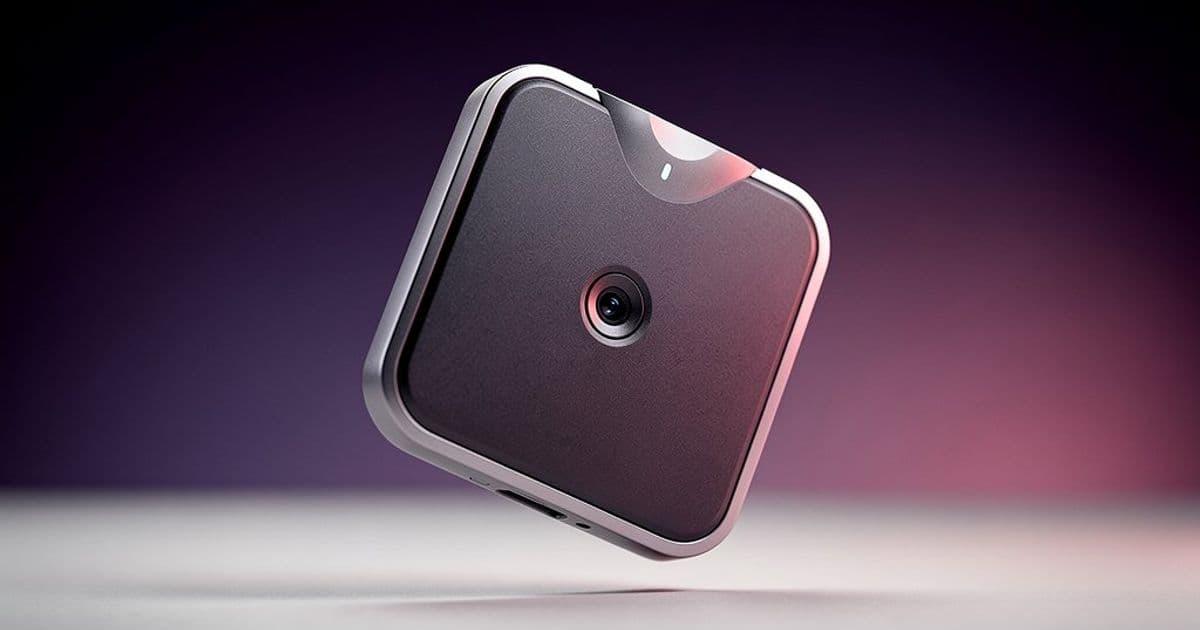
Apple is reportedly developing an AI-powered wearable pin device targeting a 2027 launch, positioning itself as a competitor to OpenAI's hardware initiatives.

Apple is accelerating its AI hardware strategy with plans to launch a wearable AI pin device in 2027, according to industry sources. This move positions Apple as a direct competitor to OpenAI, which recently entered the hardware space with its own AI pin. For mobile developers maintaining cross-platform applications, this signals significant shifts in wearable ecosystem dynamics and SDK requirements.
Technical Specifications and Platform Integration
While concrete specifications remain unconfirmed, early reports suggest Apple's pin will feature:
- On-device AI processing using proprietary silicon
- Voice-first interaction model with contextual awareness
- Ultra-low-power Bluetooth LE connectivity
- Integration with Apple's Continuity ecosystem
- Privacy-focused architecture with optional cloud processing
The device will likely require iOS 21+ and leverage Apple's existing frameworks like Core ML and SiriKit. Developers should anticipate new extensions to watchOS APIs and enhancements to the Apple Developer framework documentation as early as 2026.
Developer Impact and Cross-Platform Considerations
For iOS-focused developers:
- New Interaction Paradigms: Prepare for context-aware notifications that prioritize glanceable information delivery
- Voice Interface Optimization: Existing SiriKit integrations will require refinement for pin-specific workflows
- Power Efficiency Constraints: Background processes will need stricter resource management
Android developers face different challenges:
- Potential market fragmentation if Google responds with competing hardware
- Need for graceful degradation when Apple pin features are unavailable
- Cross-platform services like Firebase ML may bridge functionality gaps
Strategic Implications and Timeline
The 2027 timeline gives developers approximately:
| Phase | Timeline | Developer Actions |
|---|---|---|
| R&D | 2025-2026 | Monitor WWDC announcements for betas |
| SDK Preview | Q4 2026 | Test compatibility layers |
| Launch | Q3 2027 | Implement pin-specific features |
This device represents Apple's counter to OpenAI's hardware ambitions while potentially disrupting the nascent AI wearable market. Unlike OpenAI's cloud-reliant approach, Apple's vertical integration could deliver superior battery life and privacy controls—critical factors for health and enterprise applications.
Migration Path Recommendations
- Audit existing notification systems for contextual relevance
- Implement modular AI service layers that abstract cloud vs on-device processing
- Adopt Swift's upcoming concurrency model for efficient background tasks
- Evaluate Core ML model compression techniques
The emergence of dedicated AI wearables necessitates rethinking mobile interaction models. Developers building future-proof applications should prioritize adaptive interfaces that function across phone, watch, and pin form factors while maintaining platform-specific optimizations.
As Apple prepares to enter this space, the convergence of wearable hardware and on-device AI will create new opportunities for contextual computing. Developers who start architecting for these constraints today will gain first-mover advantage when the ecosystem launches.
Comments
Please log in or register to join the discussion