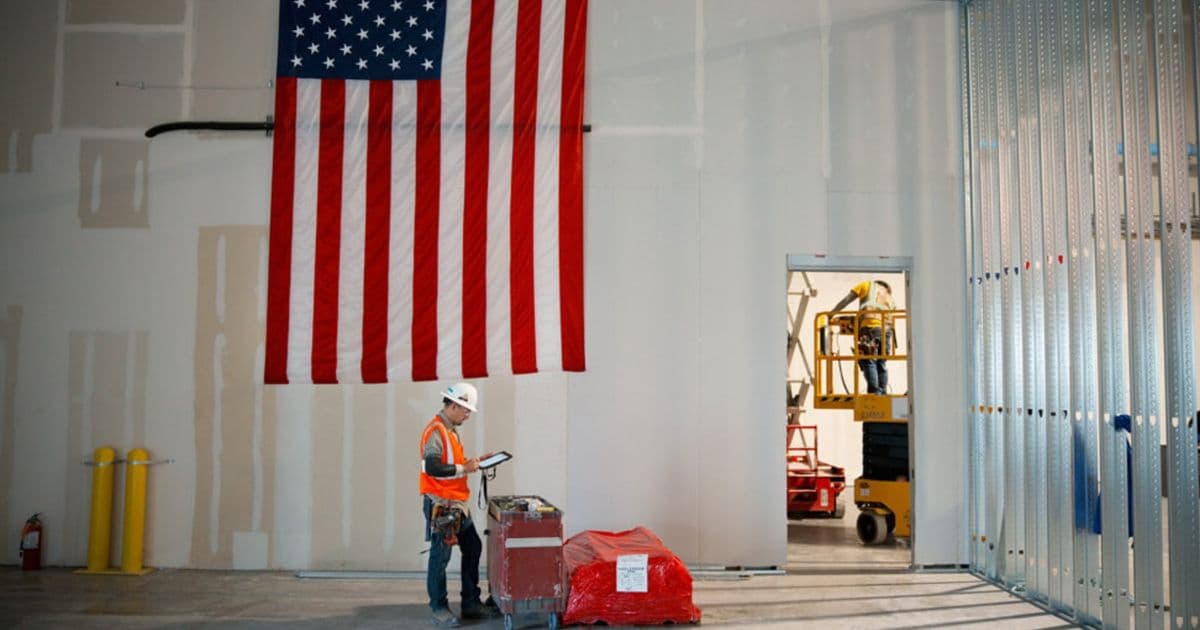
Apple announces Mac Mini production in Houston as part of $600 billion U.S. manufacturing commitment, while sourcing over 20 billion American-made chips from 24 factories across 12 states.
Apple has announced a significant expansion of its U.S. manufacturing footprint with plans to produce Mac Minis in Houston, Texas later this year, marking the first time the compact desktop has been manufactured domestically. The move comes as part of Apple's broader $600 billion commitment to American manufacturing, announced last year in response to potential tariff threats on overseas production.
Houston Campus Expansion Doubles in Size
The Mac Mini production will take place at Apple's existing Houston campus, which will double its overall footprint to accommodate the new assembly line. The facility already produces Apple's AI servers, with logic board assembly beginning ahead of schedule in 2025. These components feed Apple's data centers across the country, creating a more integrated domestic supply chain.
"Apple is deeply committed to the future of American manufacturing, and we're proud to significantly expand our footprint in Houston with the production of Mac mini starting later this year," CEO Tim Cook said in an Apple Newsroom announcement.
Domestic Chip Sourcing Exceeds 20 Billion Units
Alongside the manufacturing announcement, Apple revealed it has exceeded its own targets by sourcing more than 20 billion U.S.-made chips from 24 factories across 12 states in the past year. Key partners in this domestic semiconductor supply chain include TSMC, Broadcom, and Texas Instruments.
This massive chip sourcing effort represents a fundamental shift in Apple's supply chain strategy. The company has been working to reduce its dependence on Asian manufacturing while maintaining the scale and efficiency required for its product lineup.
Advanced Manufacturing Center Coming to Houston
Apple is also building a 20,000-square-foot Advanced Manufacturing Center at the Houston campus, scheduled to open later this year. The facility will offer hands-on training in Apple's production techniques to students, supplier employees, and other U.S. businesses, potentially creating a pipeline of skilled workers for the domestic tech manufacturing sector.
Production Scale and Market Context
While the Houston facility represents a significant symbolic and strategic move, Apple's Mac Mini production volumes remain modest compared to its overall manufacturing footprint. The company currently manufactures thousands of Mac Minis per week globally, with roughly one million units sold annually worldwide. This represents a fraction of Apple's iPhone volumes, meaning the Houston line will serve domestic demand as the operation scales up.
Production in China and Vietnam will continue alongside the U.S. line, with the Houston facility focused on serving American customers. The Mac Mini currently starts at $599 and is powered by Apple's M4 and M4 Pro chips.
$7 Billion Arizona Packaging Facility
Separately, Amkor broke ground on a $7 billion semiconductor advanced packaging and test facility in Peoria, Arizona. Apple is expected to be the first and largest customer when the facility opens, further strengthening the company's domestic semiconductor ecosystem.
Historical Context and Track Record
Apple does have a track record for domestic manufacturing claims that have proven complex in execution. In 2019, Cook toured a Texas facility with then-President Trump that was presented as a new manufacturing site, though the facility had been producing Apple computers since 2013. However, in 2023, MacRumors reported that the then-new Mac Pro featured a 'Product of Thailand. Final assembly in the USA' label not seen on previous models, with Apple providing no explanation for the change.
Strategic Implications
The Houston Mac Mini production represents more than just a manufacturing shift—it's part of Apple's broader strategy to build resilience into its supply chain while maintaining its competitive edge in the global tech market. By combining domestic assembly with aggressive U.S. chip sourcing, Apple is creating a more integrated American manufacturing presence that could serve as a model for other tech companies facing similar geopolitical and economic pressures.
The success of this strategy will depend on whether Apple can maintain the quality, efficiency, and cost-effectiveness that have defined its products while transitioning significant portions of its supply chain to U.S. production. Early indicators suggest the company is making substantial progress, with chip sourcing already exceeding targets and AI server production beginning ahead of schedule.
As Apple continues to expand its U.S. manufacturing capabilities, the tech industry will be watching closely to see if this $600 billion bet on American manufacturing can deliver the promised benefits of supply chain resilience, job creation, and technological leadership.
Comments
Please log in or register to join the discussion