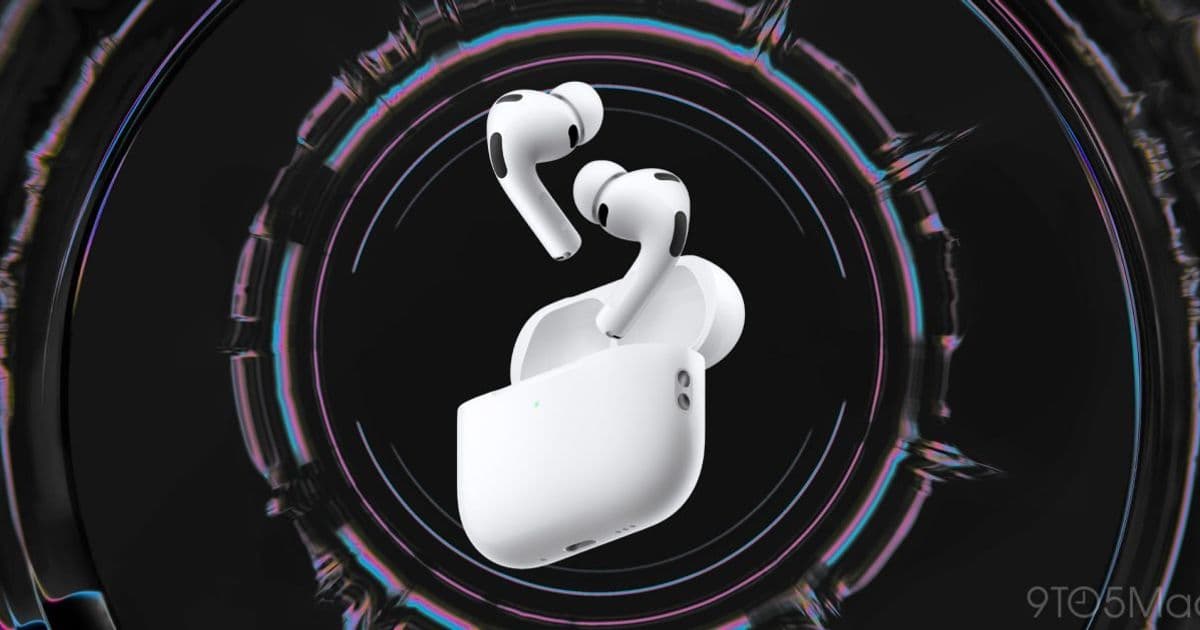
Apple's acquisition of Q.ai and development of AirPods Pro 3 with IR cameras points to a revolutionary silent speech feature that could transform how we interact with Apple devices.
Earlier this year, Apple acquired a secretive startup: Q.ai, for over 2 billion dollars. It's the company's second largest acquisition to date, and it leaves you wondering: what's the end game here?
While smart glasses seem like an obvious play, there's another Apple product in the pipeline that also seems quite fitting for this new technology. For the longest time, we've heard that Apple will be developing a new version of AirPods Pro 3 with IR cameras. It hasn't necessarily been super clear why. Some reports point to it being for Visual Intelligence, but that's never made loads of sense to me, given the fact that the camera positioning wouldn't be super ideal. Maybe this feature will still debut, but I don't believe this'll be the primary function.
Q.ai specialized in one thing: analyzing facial micro-movements and patterns to determine what you're saying, without any audible speech required. This tech makes loads of sense for smart glasses, where there's no real screen to interact with. That said, I think iPhone, iPad, and Mac users would love to get in on this too – and AirPods Pro 3 with IR cameras could be the path to that.
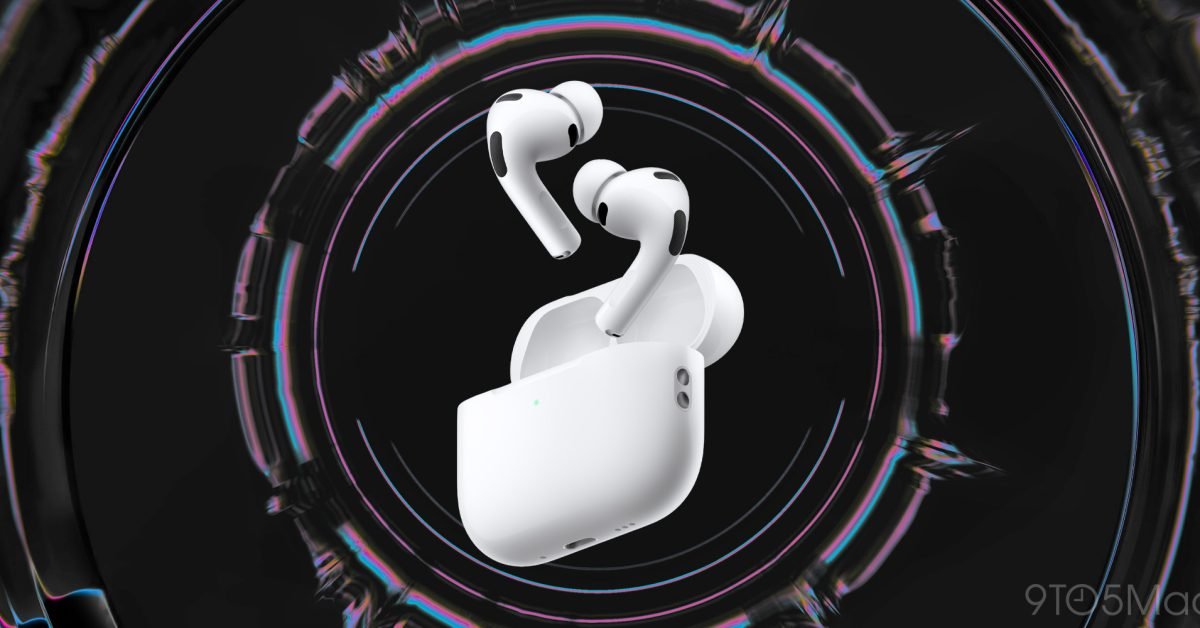
AirPods Pro with silent speech
AirPods already have some tech to help with this technology, including an accelerometer, skin detect sensors, and the heart rate monitor. All of these, plus the upcoming infrared cameras – could all play together into a future generation of AirPods that allow you to speak silently to your existing Apple devices. All of the tech will be there, and it'll just be a matter of Apple getting the software right.
One way or another, I can't help but feel excited about a world where we can talk to smart assistants without needing to type or speak loudly. Right now, rumors suggest that the new AirPods Pro variant with IR cameras will debut by the end of the year.
The technology behind silent speech
The concept of silent speech detection isn't entirely new. Researchers have been exploring electromyography (EMG) and other methods to detect speech through facial muscle movements for years. What makes Apple's approach potentially groundbreaking is the combination of Q.ai's facial micro-movement analysis with the existing sensor array in AirPods.
The IR cameras would work by detecting subtle changes in facial muscle contractions around the mouth and jaw area. When combined with the accelerometer data that already tracks head movements and the skin detection sensors that know when the AirPods are in your ears, Apple could create a comprehensive system for interpreting silent speech.
This technology could work similarly to how some accessibility features already function. For instance, Apple's Voice Control system already allows users to navigate their devices using voice commands, and features like AssistiveTouch enable control through facial gestures. Silent speech detection would be a natural evolution of these accessibility-focused innovations.
Practical applications and use cases
The potential applications for silent speech technology are numerous and compelling:
Discreet communication in public spaces: Imagine being able to respond to messages or control your music without speaking aloud on a crowded subway or in a quiet office.
Enhanced accessibility: For users with speech impairments or those who have difficulty speaking loudly, this technology could provide a new way to interact with their devices.
Improved privacy: Sensitive commands or messages could be communicated without anyone around you hearing what you're saying.
Better voice assistant interactions: Siri and other voice assistants could understand you even in noisy environments where traditional voice recognition struggles.
Multitasking efficiency: Users could control their devices while on phone calls or in meetings without interrupting the conversation.
Technical challenges and considerations
While the concept is exciting, Apple would need to overcome several technical hurdles to make silent speech detection practical and reliable:
Accuracy concerns: The system would need to distinguish between intentional silent speech and normal facial movements like chewing, yawning, or facial expressions.
Battery life impact: Adding IR cameras and processing the additional data streams would likely impact battery life, a critical consideration for wireless earbuds.
Processing requirements: The complex analysis of facial micro-movements would require significant processing power, potentially necessitating more advanced chips in the AirPods.
User adaptation: People would need to learn how to form words silently in a way that the system can detect, which might require some training or adaptation period.
Privacy implications: The IR cameras would be constantly monitoring the user's face, raising potential privacy concerns that Apple would need to address transparently.
How this fits into Apple's ecosystem strategy
Apple's acquisition of Q.ai and the development of AirPods Pro 3 with IR cameras align with the company's broader strategy of creating more intuitive and natural ways for users to interact with their devices. This move continues Apple's pattern of investing in technologies that enhance the human-device interface.
The integration of silent speech technology would also strengthen Apple's competitive position in the wearables market. While competitors like Samsung, Sony, and Google offer high-quality wireless earbuds, Apple's ecosystem integration and innovative features have been key differentiators for the AirPods line.
Furthermore, this technology could serve as a bridge to future products. The expertise gained from developing silent speech detection for AirPods could inform the development of other devices, including the long-rumored Apple AR glasses or future iterations of the Apple Watch.
Timeline and expectations
According to current rumors, the new AirPods Pro variant with IR cameras is expected to debut by the end of the year. This timeline suggests that Apple is further along in development than many might have expected, though there's always the possibility of delays or changes to the product roadmap.
If Apple does release AirPods Pro 3 with silent speech capabilities this year, we can expect a phased rollout of the feature. Initial versions might support basic commands and simple interactions, with more advanced capabilities added through software updates over time.
Market implications
The introduction of silent speech technology in AirPods Pro 3 could have significant market implications:
Premium positioning: This feature would likely be positioned as a premium capability, potentially justifying a higher price point for the AirPods Pro 3 compared to previous generations.
Competitive pressure: Other manufacturers would likely rush to develop similar capabilities, potentially accelerating innovation across the entire wireless earbud market.
Accessory ecosystem: Third-party developers might create apps and services that leverage silent speech capabilities, expanding the utility of the feature beyond Apple's native applications.
Enterprise adoption: Businesses might see value in providing employees with devices that enable more discreet communication in professional settings.
Looking ahead
Whether or not the silent speech feature debuts with AirPods Pro 3 this year, it's clear that Apple is investing heavily in technologies that will enable more natural and intuitive human-device interactions. The acquisition of Q.ai represents a significant commitment to this vision.
The combination of IR cameras, existing sensors, and sophisticated software analysis could truly revolutionize how we interact with our devices. While there are certainly challenges to overcome, the potential benefits – from improved accessibility to enhanced privacy – make this an exciting development to watch.
As we approach the rumored launch window, more details will likely emerge about Apple's specific implementation and the capabilities of this technology. One thing is certain: if Apple can successfully bring silent speech detection to AirPods Pro 3, it could represent one of the most significant advances in human-device interaction since the introduction of touchscreens.
Does this silent speech tech excite you? Will you be buying a new pair of AirPods Pro 3 with IR? Let us know in the comments.
Comments
Please log in or register to join the discussion