
With iOS 26.3, Apple introduces a location privacy feature exclusive to iPhones with Apple's own modems, hinting at future innovations as the company phases out Qualcomm hardware.
Apple's latest iOS 26.3 update introduces a subtle but significant feature that offers a glimpse into the future of iPhone hardware and software integration. The new "limit precise location" setting allows users to restrict the amount of location data cellular networks can access, but notably, this feature is only available on devices equipped with Apple's in-house modem chips.
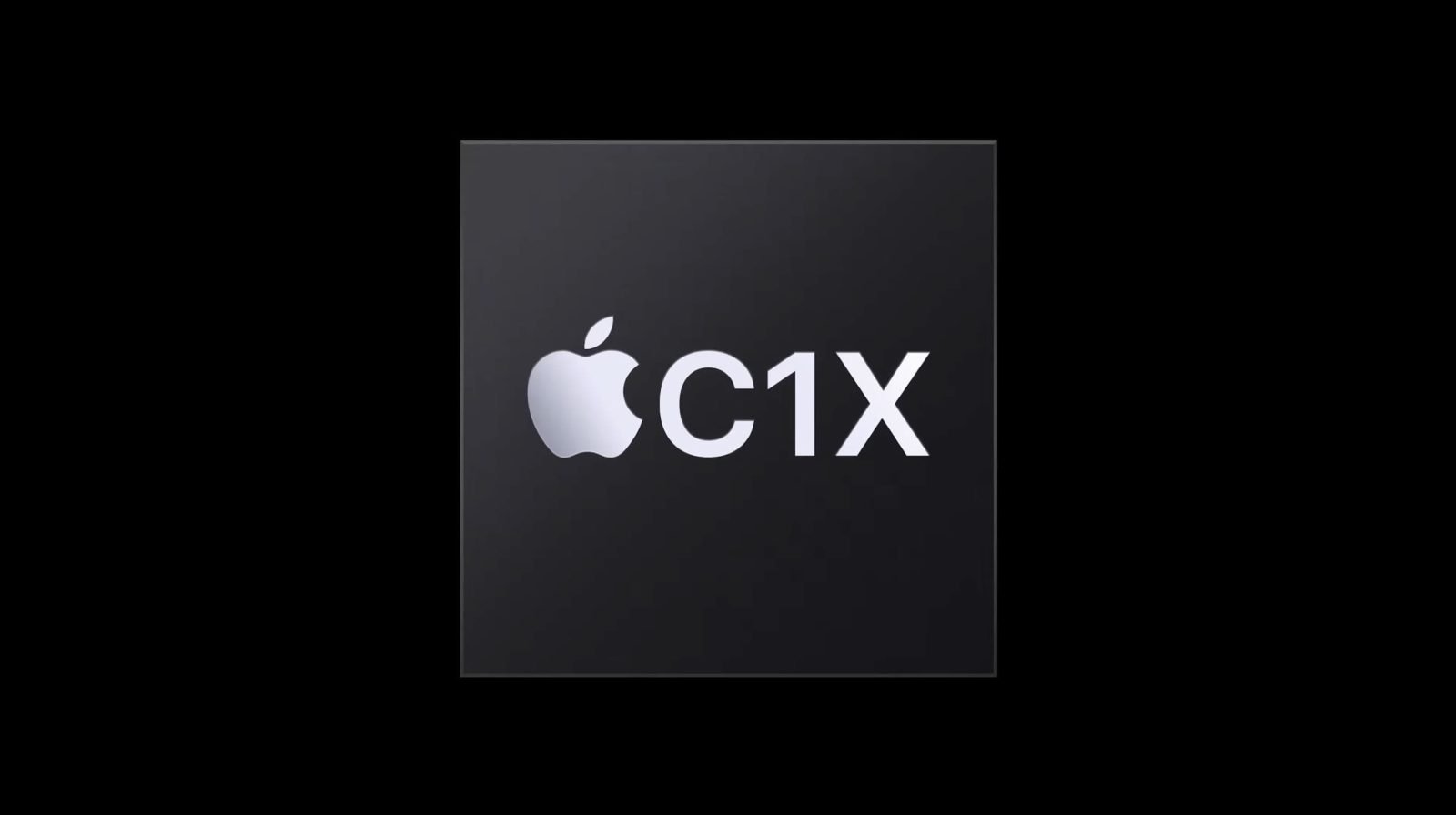
This limitation isn't arbitrary—it represents a pivotal shift in Apple's hardware strategy that began with the iPhone 16e's C1 modem chip last February, followed by the iPhone Air's C1X modem and the M5 iPad Pro. For decades, Apple relied on Qualcomm (with a brief detour through Intel) for cellular modem technology, but the company has been methodically transitioning to its own silicon.
The Business Context Behind Apple's Modem Transition
The move away from Qualcomm isn't just about technological independence—it's rooted in a contentious business relationship. In 2017, Apple sued Qualcomm for $1 billion, though the two companies surprisingly settled on the first day of trial in 2019. While these corporate battles might seem distant from everyday iPhone users, they've directly influenced the hardware in our pockets.
Apple's transition to in-house modems mirrors its earlier, more dramatic shift from Intel to Apple Silicon in the Mac lineup. Though the modem transition isn't as revolutionary as that CPU change, many of the same principles apply: complete control over hardware design, tighter integration with software, and freedom from third-party timelines and restrictions.
Privacy Takes Center Stage
The "limit precise location" feature in iOS 26.3 exemplifies what becomes possible when Apple controls both the modem hardware and the operating system. By limiting the location data shared with cellular networks, Apple is addressing growing privacy concerns while demonstrating the unique capabilities of its custom silicon.
This feature represents more than just another privacy toggle. It's the first obvious user-facing capability enabled specifically by Apple's ownership of modem hardware in the iPhone. The fact that it's exclusive to devices with Apple's C-series modems—currently just the iPhone 16e, iPhone Air, and M5 iPad Pro—signals that we're entering an era where certain features will be silicon-dependent.
What This Means for iPhone Users
Looking beyond this single feature, the implications are substantial. Apple's complete control over modem hardware opens doors to innovations that simply weren't possible when working with Qualcomm's off-the-shelf solutions. We can expect:
- Enhanced privacy features that leverage deep hardware-software integration
- Improved battery efficiency through optimized modem management
- Better connectivity performance with Apple-tuned radio algorithms
- Exclusive capabilities that differentiate Apple's silicon from competitors
Currently, most iPhone models still use Qualcomm modems. The iPhone 17 Pro, for instance, continues this tradition. However, industry analysts expect Apple to complete its transition with the iPhone 18 Pro lineup next year, at which point the floodgates for new features may open.
The Road Ahead
As Apple's entire iPhone lineup adopts in-house modems, we'll likely see a cascade of innovations that take full advantage of this vertical integration. The company has historically used its silicon advantages to create compelling differentiators—think of the Neural Engine's role in computational photography or the efficiency gains from Apple Silicon in Macs.
While it's impossible to predict exactly what features Apple has in development, the "limit precise location" capability suggests privacy-focused innovations will be a priority. Given Apple's increasing emphasis on user privacy as a core differentiator, we can expect more features that give users greater control over their data while leveraging the unique capabilities of Apple's custom hardware.
This transition also positions Apple to better compete in areas like satellite connectivity, emergency services, and potentially even new forms of wireless communication that could emerge in the coming years. With complete control over the modem stack, Apple can iterate and innovate at its own pace rather than waiting for Qualcomm's roadmap.
The iOS 26.3 update may seem like a minor point release, but the exclusive features it enables tell a much bigger story about where the iPhone is headed. As Apple continues its march toward silicon independence, users can look forward to a new wave of capabilities that blend hardware innovation with the company's unwavering commitment to privacy.

Comments
Please log in or register to join the discussion