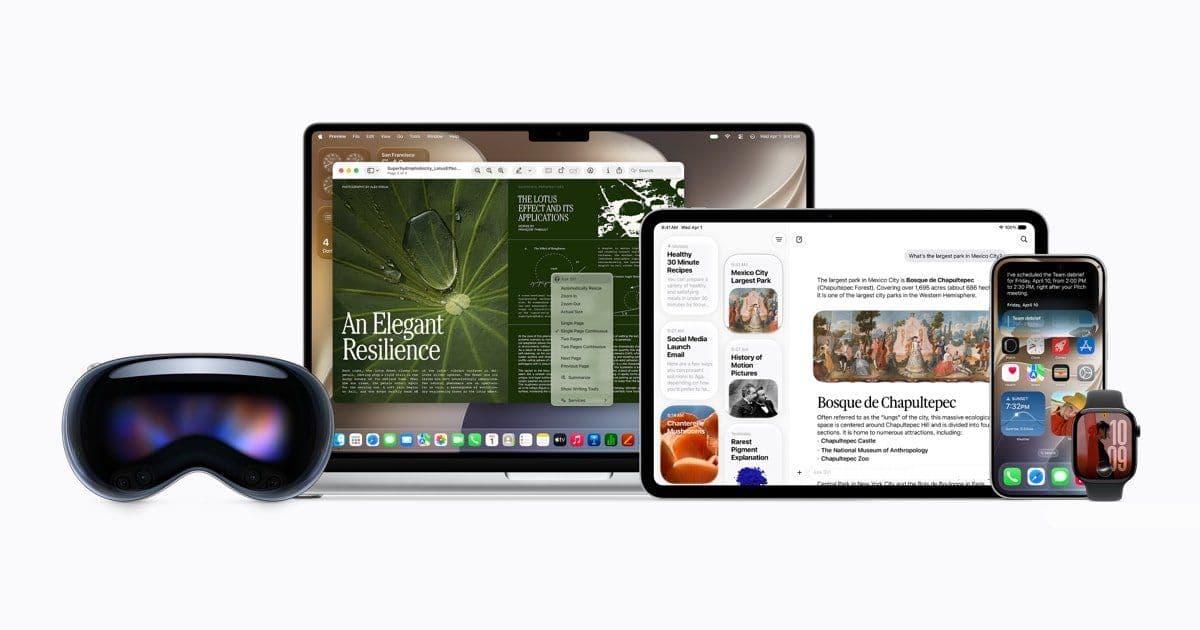
Apple has finally shipped the conversational, context-aware Siri it promised at WWDC 2024, rebranding it Siri AI and rebuilding it on a new Apple Intelligence architecture. The features look competitive on paper. The bigger question is whether developers and users still care after watching the company miss its own deadline by more than a year, and whether the privacy-first design can keep pace with rivals who made fewer promises and shipped faster.
Apple's June 8 announcement of Siri AI reads less like a debut and more like a delivery on an overdue invoice. The capabilities Apple described, personal context understanding, onscreen awareness, broad world knowledge pulled from the web, are nearly identical to what Craig Federighi demonstrated at WWDC 2024. Two years ago. The assistant that was supposed to arrive in 2025 slipped, then slipped again, then got quietly pulled from marketing. Now it has a new name and a developer beta.
That history matters because it shapes how the developer community is reading this release. The technical claims are real and substantial. The skepticism is also real, and it is earned.
What Apple actually shipped
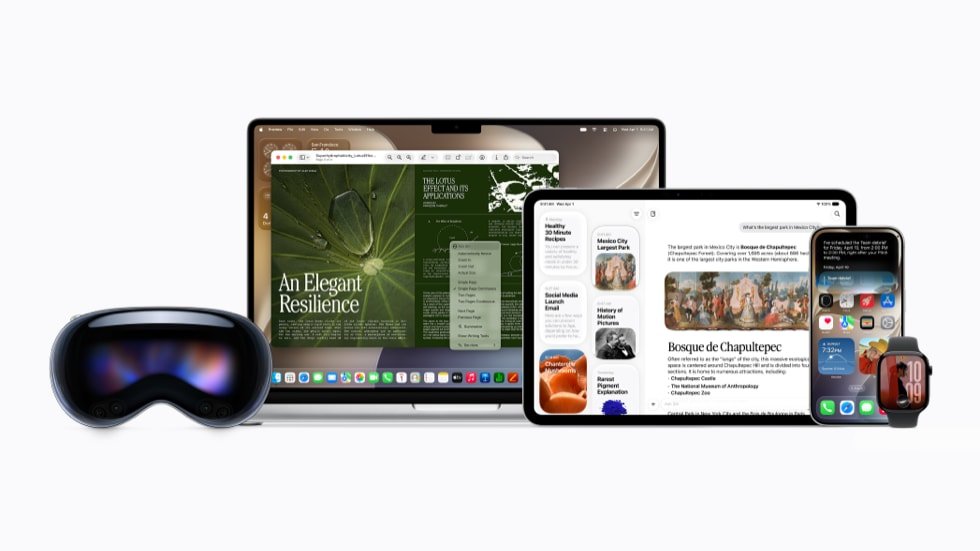
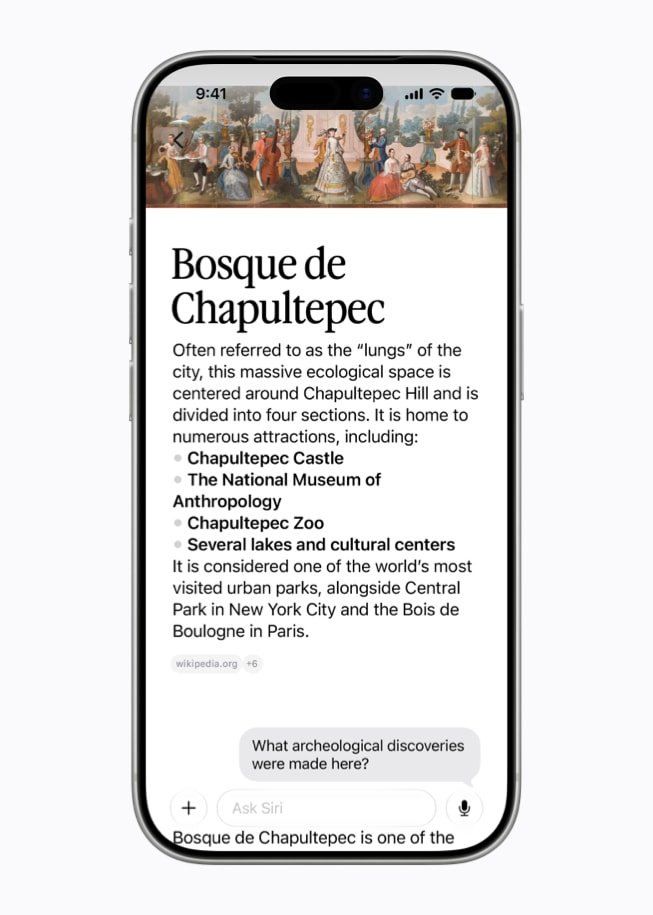
Strip away the press-release adjectives and Siri AI is three distinct things bundled under one brand. First, a conversational layer that supports back-and-forth dialogue, follow-up questions, and detailed answers, the table stakes that ChatGPT normalized and Google Gemini matched. Second, a personal-context engine that searches across Messages, Mail, Photos, and, critically, third-party apps that integrate with Spotlight. Third, an expanded Visual Intelligence and Writing Tools surface that pushes multimodal input into the Camera app, iPad screenshots, and a Mac keyboard shortcut.
The architecture is where the genuinely interesting engineering lives. Apple is splitting work between on-device Foundation Models and server-side models running on Private Cloud Compute, the stateless inference infrastructure Apple introduced in 2024 and opened to outside security researchers. When a request goes to the cloud, Apple's claim is that personal data is neither stored nor accessible to anyone, including Apple, and that external experts can verify this. A system orchestrator decides what runs where, tapping the on-device Spotlight index and an "App Toolbox" locally so that the data needed to route a request never has to leave the phone.
This is the part that separates Apple's approach from the competition, and it is also the part that explains the delays. Building an assistant that has to reason about your private email and photos without ever centralizing that data on a server is a meaningfully harder problem than building one that ingests everything into a cloud model. Apple chose the harder problem. Whether that choice was worth two years of slipped timelines is the debate.
The adoption signal nobody at Apple will mention
The most telling number is the device list. Apple's most capable on-device model, the one powering expressive voices and the improved dictation, requires an iPhone Air, iPhone 17 Pro, iPhone 17 Pro Max, an M4 iPad, or an M3 Mac, all with at least 12GB of unified memory. The broader Siri AI feature set reaches back to the iPhone 15 Pro and M1 Macs, but the headline capabilities are gated behind hardware most users do not own yet.
This is the structural tension in Apple's AI strategy. On-device inference is the foundation of the privacy story, but on-device inference is also bounded by the memory and silicon in the customer's hand. Cloud-first competitors do not care what phone you have. A 2021 Android device can talk to Gemini because the model lives in a data center. Apple has tied the quality of its assistant to the recency of your purchase, which is good for the upgrade cycle and awkward for the universality of the pitch.
Developers have noticed the Spotlight integration requirement, and reactions are split. The optimistic read is that exposing app content through Spotlight gives third-party apps a path into Siri's context engine without handing data to Apple's models wholesale. The skeptical read is that Apple has, once again, defined a narrow integration surface on its own terms, and that the App Intents and Spotlight donation work required is non-trivial for the long tail of apps that will determine whether "personal context across your apps" feels real or feels like a demo that only works with Apple's own software.
The counter-arguments are coming from inside the ecosystem
The loudest critique is not that the features are bad. It is that the market moved. When Apple first promised contextual Siri, the assistant category was sleepy. Since then, ChatGPT shipped advanced voice mode, Google rebuilt Android's assistant around Gemini, and a generation of users learned to expect conversational AI that simply works regardless of platform. Apple is entering a race it helped start, but entering it from behind, with a product still labeled beta and still missing from major markets.
The regional gaps sharpen the point. Siri AI will not ship initially in the EU on iOS, iPadOS, or watchOS, with Apple citing the need to find a path that preserves privacy and security, language widely read as a reference to Digital Markets Act interoperability requirements. It will not ship in China at all while regulatory work continues. A flagship AI feature that excludes the European Union and China at launch is a flagship feature with a large asterisk, and it underscores how much regulatory friction now shapes what these systems can do and where.
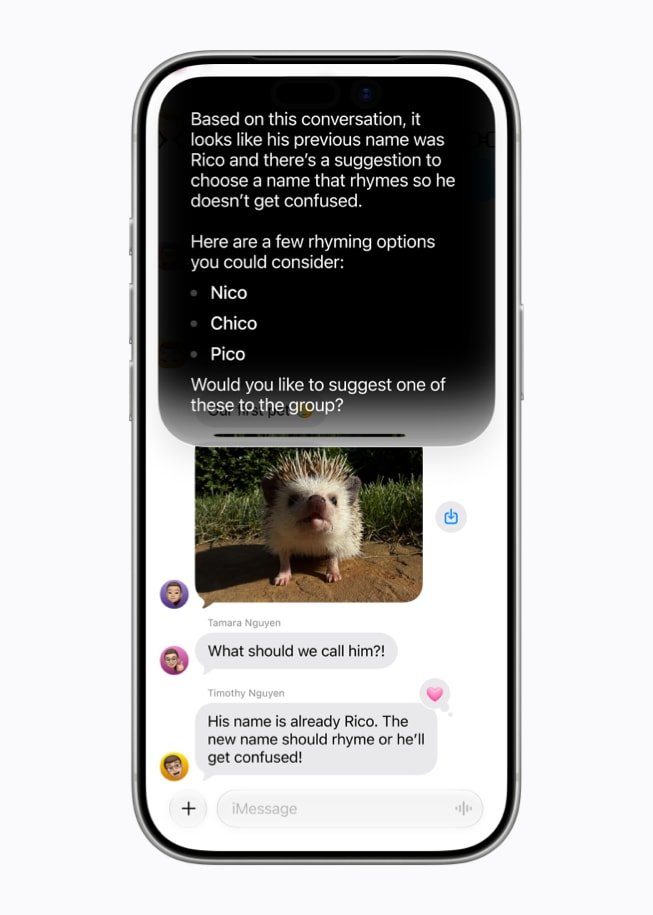
There is a fair rebuttal to the cynicism. Apple has historically shipped late and shipped well. The company was not first to the smartphone, the smartwatch, or the wireless earbud, and it ended up defining all three categories. The privacy architecture is not marketing veneer; Private Cloud Compute is a real, auditable system that no competitor currently matches. If Siri AI delivers on the local-first promise, it offers something the cloud assistants structurally cannot: capable AI reasoning over your most sensitive data with a credible guarantee that the data stays yours. For users who have grown uneasy watching their conversations become training fodder, that is not a small thing.
The writing and dictation improvements also deserve more attention than the conversational headline. Systemwide dictation that handles punctuation, capitalization, and formatting as you speak, plus Writing Tools that learn how you communicate with specific recipients, are the kind of quiet, daily-use features that tend to matter more than the splashy demos. A bill-splitting camera mode makes for a good keynote clip. Accurate dictation that works in every text field is what people actually live in.
What to watch from here
The developer beta starting now across iOS 27, iPadOS 27, macOS 27, and visionOS 27 is the real test. Apple's 2024 demos looked great and still took two years to ship. The questions worth tracking are concrete: Does personal context understanding work reliably across third-party apps, or only Apple's? How often does the orchestrator route requests to the cloud versus keeping them local, and does the latency difference show? Does the expanded Visual Intelligence on Mac and iPad feel native or bolted on?
Apple has earned both the benefit of the doubt and the scrutiny. The company that shipped Private Cloud Compute is capable of serious engineering. The company that pulled its own Siri ads after missing a deadline has a credibility gap to close. Siri AI is the attempt to close it. The architecture suggests Apple is solving a harder problem than its competitors. The timeline suggests it has been paying for that ambition for two years. Both things can be true, and the beta is where we find out which one users end up caring about.
Comments
Please log in or register to join the discussion