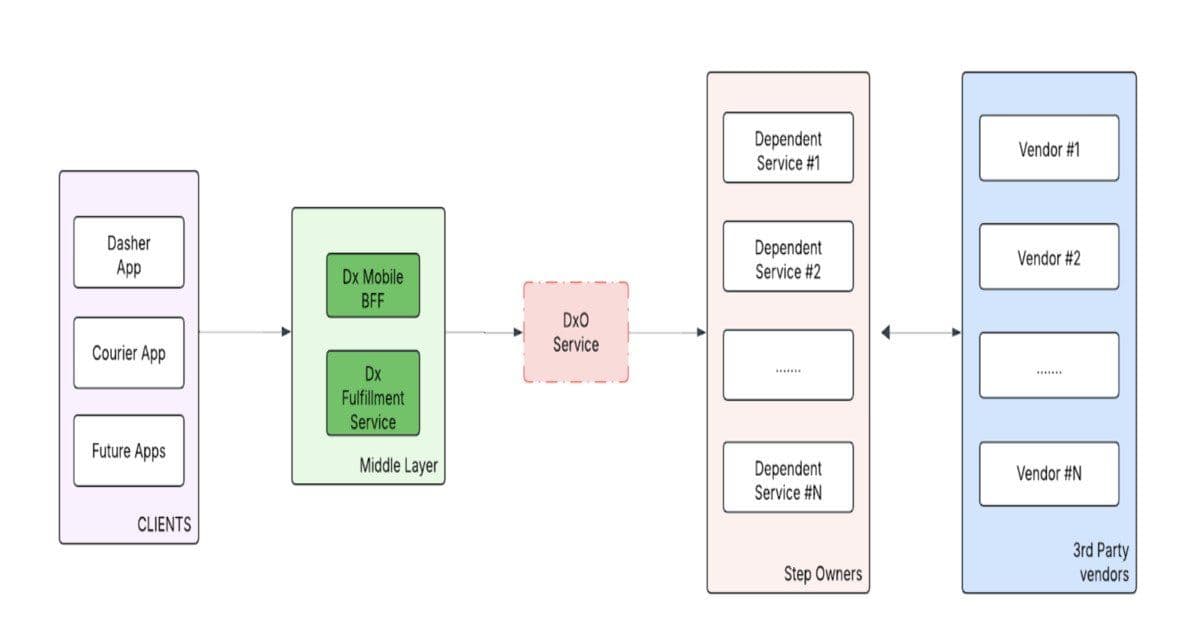
DoorDash has rebuilt its Dasher onboarding system into a unified, modular workflow platform that accelerates global expansion by replacing fragmented legacy systems with composable, step-based orchestration.
DoorDash has rebuilt its Dasher onboarding system into a unified, modular workflow platform designed to accelerate global expansion and eliminate regional complexity. The new architecture replaces a fragmented legacy system with a composable, step-based orchestration model that enables consistent onboarding experiences across markets while reducing engineering overhead.
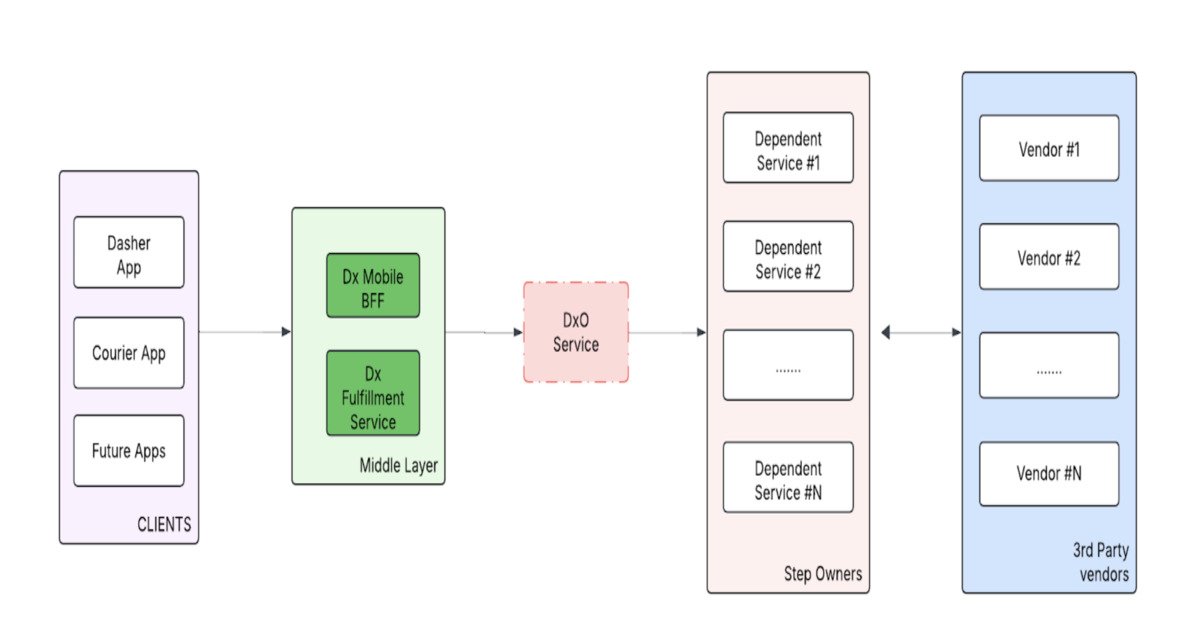
According to a LinkedIn post announcing the initiative, "As DoorDash expanded into more countries, onboarding Dashers became harder to manage and less consistent. We redesigned onboarding into a unified, flexible platform that helps us launch new markets faster while delivering a more reliable, localized experience for Dashers worldwide."
Previously, onboarding logic evolved organically as DoorDash expanded internationally, resulting in multiple API versions, country-specific hard-coded flows, duplicated business logic, and tightly coupled dependencies. Tracking applicant progress required coordinating across disparate tables, increasing operational risk and complicating deployments. As new markets were added, incremental patches increased maintenance complexity.
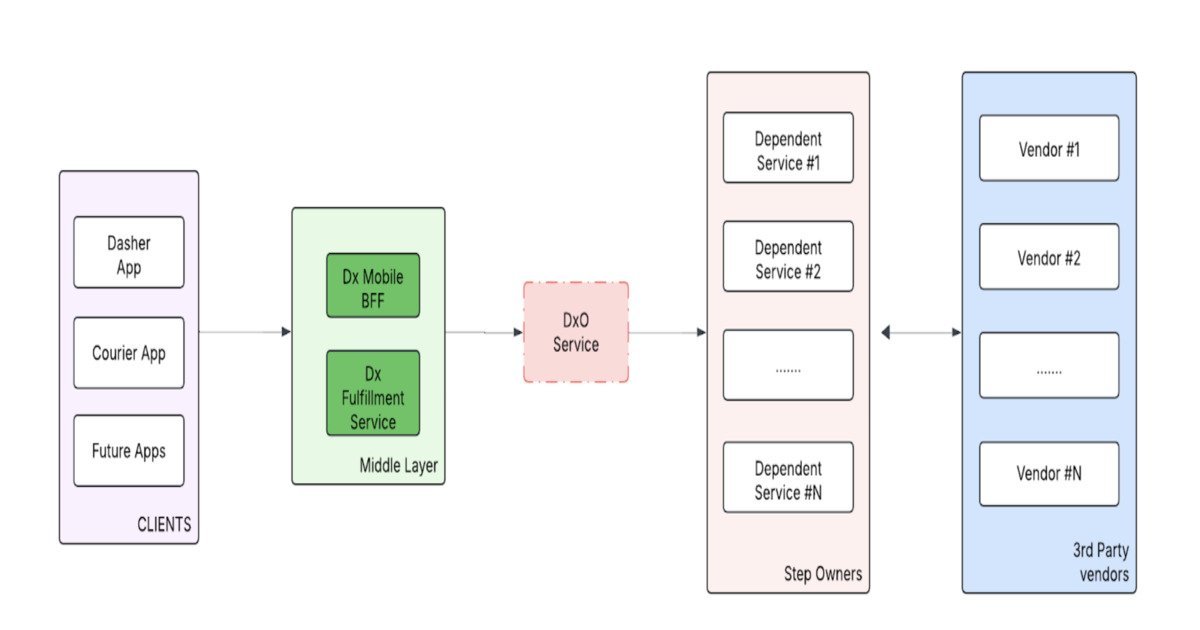
To address these limitations, DoorDash re-architected onboarding as a configurable workflow engine composed of reusable step modules. Each module encapsulates its own business logic, including validation rules, vendor integrations, completion criteria, and failure handling. A centralized orchestrator sequences these modules based on declarative workflow definitions, allowing country-specific variations to be expressed through configuration rather than code forks.
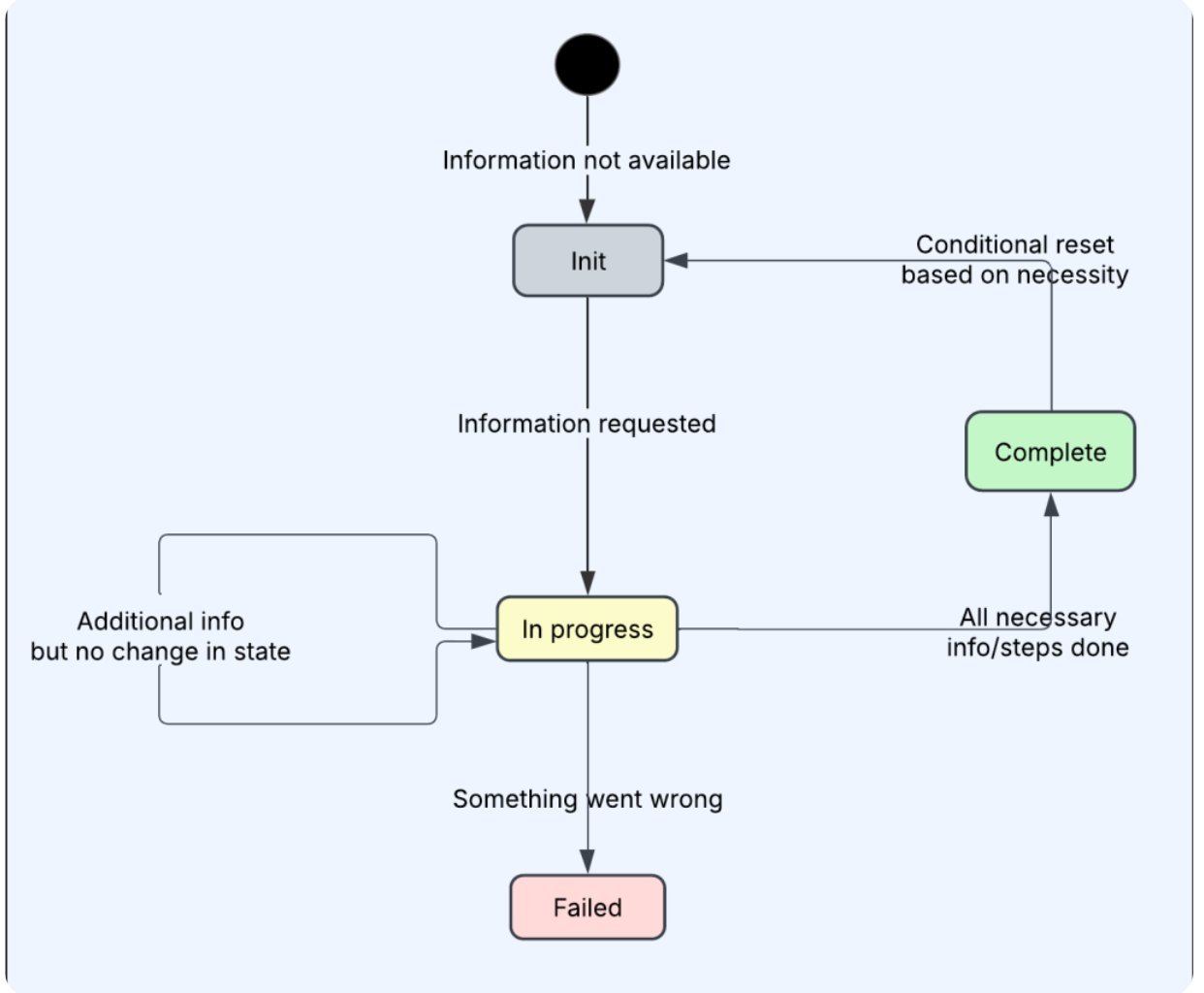
The platform introduces a unified status map that serves as a single source of truth for applicant progress. Instead of inferring state across multiple persistence layers, each module updates its own standardized status entry, such as in progress, complete, or skipped. The workflow engine evaluates this map to determine the next actionable step, simplifying retry logic and enabling safe parallel execution where dependencies permit.
DoorDash engineers first migrated the United States onboarding flow to the new architecture in January 2025 and subsequently rolled it out to Australia, Canada, Puerto Rico, and New Zealand. Because workflows are composable and step modules are largely reusable, each migration required minimal additional development work and resulted in no reported regressions or onboarding disruptions during rollout. The phased migration validated the portability of the new system across regulatory and operational environments.
The architecture also supports composite steps, which allow multiple granular tasks to be grouped under a single logical unit. This flexibility enables different markets to present onboarding flows according to local user experience or compliance requirements without altering underlying business logic. Independent teams can own specific modules and evolve them autonomously, provided they adhere to shared interface contracts enforced by the workflow layer.
DoorDash highlighted several lessons from the multi-year effort. Designing for global scale early, reasoning from first principles, and investing in reusable modules and clear data contracts enabled a maintainable architecture. Prioritizing backward compatibility and defining module ownership helped ensure reliable onboarding across markets during migration.
The redesign reflects a broader industry shift toward modular, workflow-driven platforms that separate orchestration from execution logic. Composable architectures are commonly used to reduce coupling and support international expansion. DoorDash indicated that future enhancements may include dynamic workflow configuration, step versioning for staged rollouts, and operational tooling to manage regional variations without code deployments.
This architectural transformation demonstrates how thoughtful platform design can turn operational complexity into a competitive advantage, enabling rapid international expansion while maintaining consistent user experiences across diverse regulatory environments.
Comments
Please log in or register to join the discussion