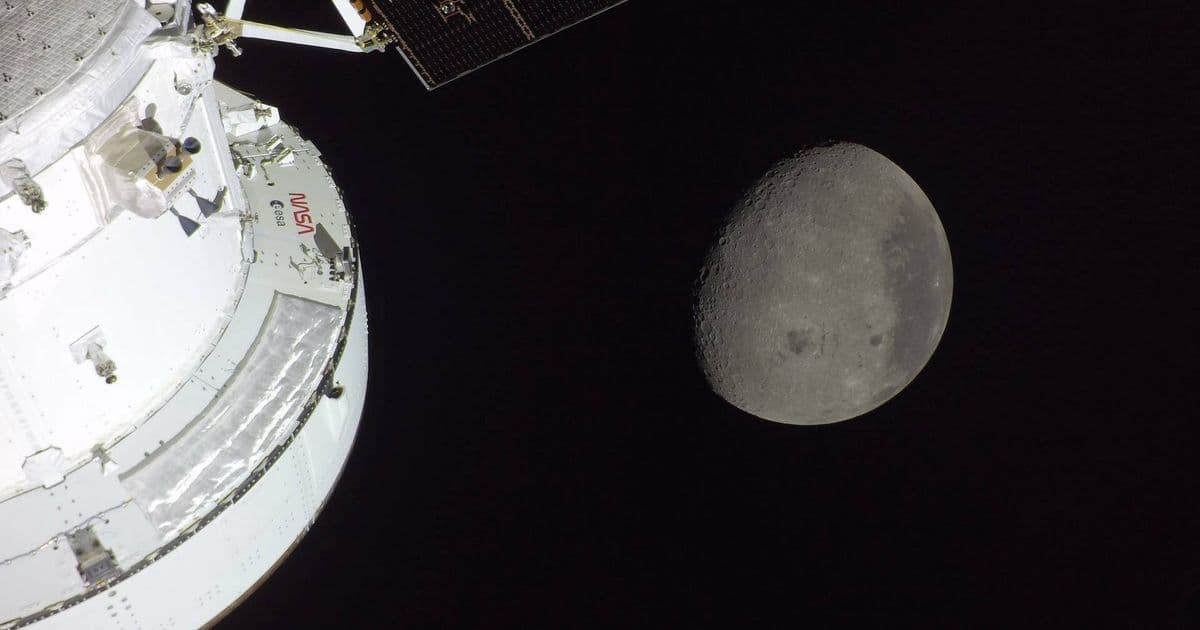
NASA's Artemis II mission has successfully carried four astronauts farther from Earth than any humans before them. The crew is now returning home for a splashdown off San Diego's coast on April 10, 2026, at 0007 UTC. Live coverage begins at 2230 UTC on NASA's YouTube channel.
NASA's Artemis II mission has achieved what no human spaceflight has accomplished in over half a century – carrying astronauts farther from Earth than any humans in history. After a successful ten-day journey that included a lunar flyby and multiple scientific achievements, the crew of four is now headed home for a splashdown off the coast of San Diego on Friday, April 10, 2026.
Mission Overview and Historic Achievements
The Artemis II mission began on April 1, 2026, when the Orion spacecraft launched into high Earth orbit. The crew – Commander Reid Wiseman, Pilot Victor Glover, Mission Specialist Christina Koch, and Mission Specialist Jeremy Hansen – quickly made history by traveling 252,756 miles from Earth, surpassing the previous record set by Apollo 13 in 1970 by nearly 4,000 miles.
During their lunar flyby on the sixth day of the mission, the astronauts came within 4,067 miles of the Moon's surface. This marked the first crewed lunar flyby since the Apollo program ended in 1972, representing a significant milestone in NASA's plans to return humans to the Moon and eventually reach Mars.
Scientific Contributions and Personal Touches
The crew made several meaningful contributions during their mission. While orbiting the Moon, they identified two previously unnamed craters and proposed names for them: "Integrity," after their Orion spacecraft, and "Carroll," named in memory of Commander Wiseman's late wife who passed away from cancer in 2020. These personal touches added emotional depth to the scientific mission.
However, the mission wasn't without its challenges. The crew encountered technical difficulties with their toilet system and reported issues with Microsoft Outlook software. Commander Wiseman humorously noted, "I have two Microsoft Outlooks, and neither one of those are working," highlighting the ongoing challenges of integrating modern technology into space missions.
Return Journey and Splashdown Details
NASA expects the crew to reach Earth's upper atmosphere at 2353 UTC on April 10, traveling at nearly 35 times the speed of sound. The spacecraft will then splash down approximately 14 minutes later, at 0007 UTC (or 8:07 PM ET) off the coast of San Diego, California.
The return journey represents one of the most critical phases of any space mission. The Orion spacecraft must withstand extreme temperatures during atmospheric reentry while maintaining precise trajectory control to ensure a safe landing zone.
How to Watch the Historic Splashdown
NASA will provide comprehensive live coverage of the splashdown event. The main broadcast begins at 2230 UTC (6:30 PM ET) on NASA's official YouTube channel. This coverage will include:
- Live video from the recovery ship
- Mission control communications
- Expert commentary and analysis
- Real-time tracking of the spacecraft's descent
For those who can't wait for the main event, NASA offers additional live feeds:
- A live feed from ground control
- A live feed from space (when available)
- Mission status updates
All these feeds can be accessed through NASA's official website and social media channels.
Significance for Future Space Exploration
The Artemis II mission represents more than just a record-breaking journey. It serves as a crucial test flight for the technologies and procedures that will enable future lunar landings and eventual Mars missions. The success of this mission provides valuable data on:
- Long-duration spaceflight effects on humans
- Spacecraft systems performance in deep space
- Navigation and communication capabilities
- Emergency procedures and problem-solving in space
Looking Ahead
While the Artemis II crew returns home, NASA continues planning for future missions. The success of this flight paves the way for Artemis III, which aims to land astronauts on the Moon's surface, including the first woman and first person of color to walk on the lunar surface.
The mission also comes amid discussions about NASA's budget and future direction. Recent reports indicate that the White House is seeking deep cuts to NASA's budget, even as Artemis II breaks spaceflight records. This tension between fiscal constraints and ambitious exploration goals will likely shape the future of American space exploration.
Viewing Tips
For the best viewing experience of the splashdown:
- Check your time zone: Convert 0007 UTC to your local time
- Prepare for live coverage: The main broadcast starts at 2230 UTC
- Have multiple options: Use both NASA's YouTube channel and their website
- Follow along on social media: NASA provides real-time updates on Twitter and other platforms
- Learn about the mission: Review the crew's journey and achievements before watching
The return of the Artemis II crew marks not just the end of a successful mission, but the beginning of a new era in human space exploration. As these four astronauts make their way back to Earth, they carry with them data, experiences, and inspiration that will fuel the next generation of space missions.
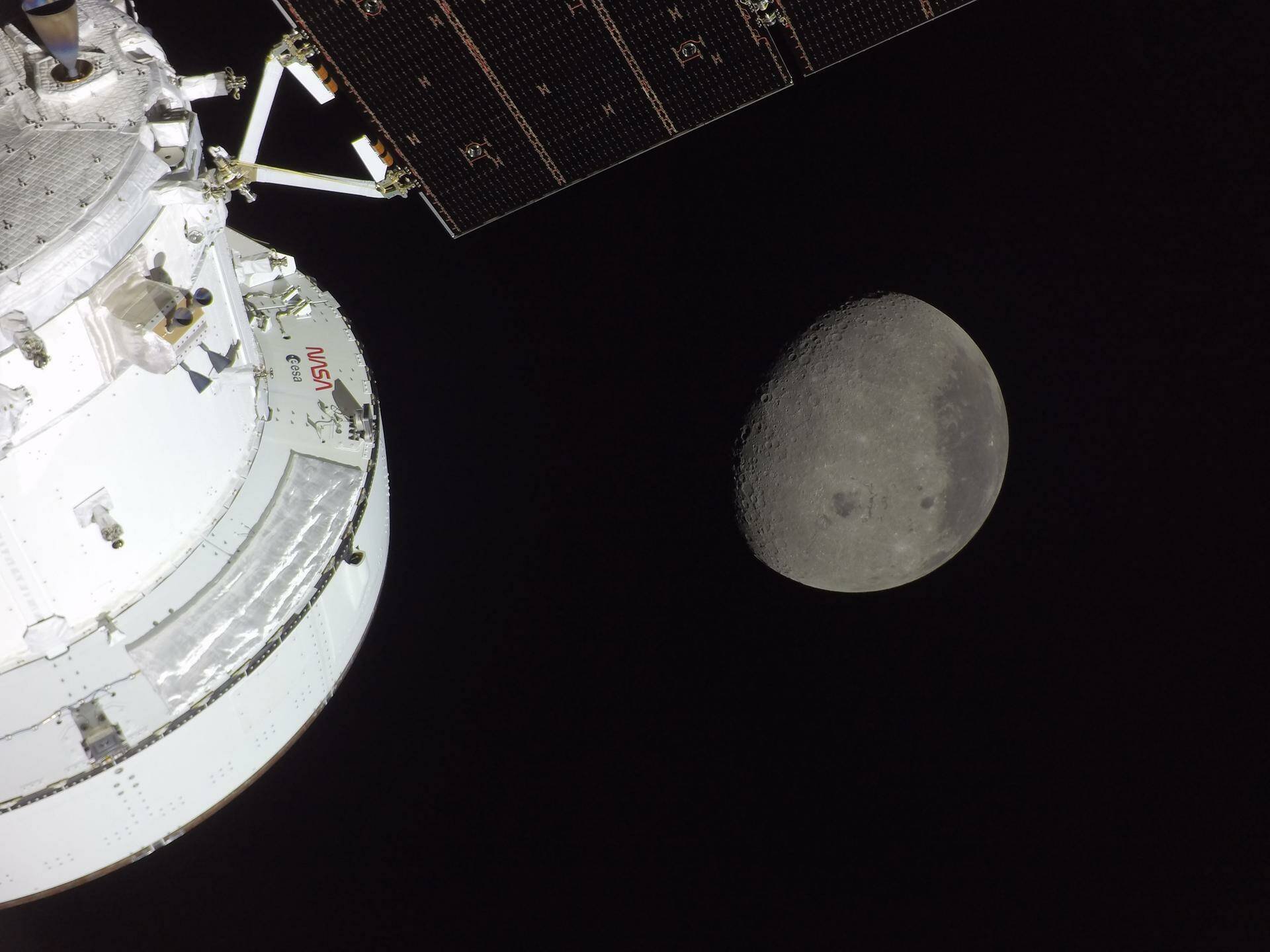
The splashdown represents the culmination of years of planning, engineering, and international cooperation. It's a reminder that even in challenging times, humanity can achieve extraordinary things when we work together toward common goals. The successful return of the Artemis II crew will undoubtedly inspire future generations to reach for the stars.
Comments
Please log in or register to join the discussion