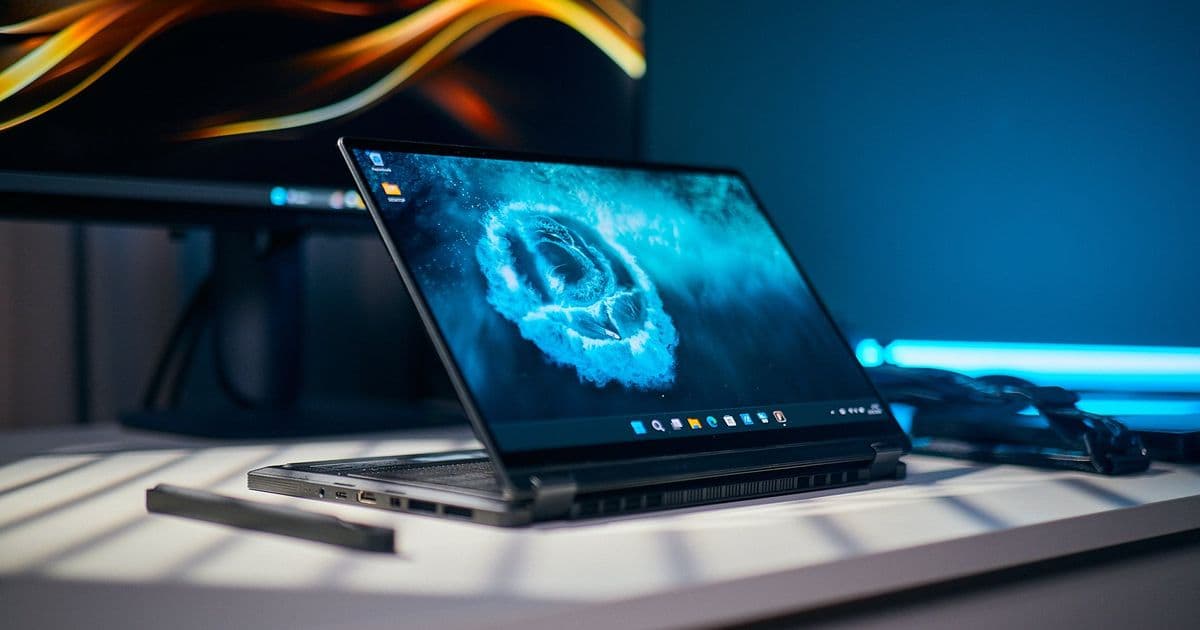
The new Asus ProArt PX13 GoPro edition packs powerful AMD Ryzen AI Max+ 395 hardware and 128 GB RAM, but surprisingly retains the same 60 Hz Samsung OLED panel from 2024, raising questions about display choices in this €4,000 creator convertible.
Asus has launched a special edition of its ProArt PX13 convertible in collaboration with GoPro, featuring the powerful AMD Ryzen AI Max+ 395 (Strix Halo) processor and a hefty 128 GB of RAM. With a price tag approaching €4,000, this high-end creator device promises top-tier performance in a 13-inch form factor. However, a closer look at the specifications reveals a puzzling decision: the OLED touchscreen display still maxes out at 60 Hz refresh rate, using the same Samsung panel from the 2024 model.
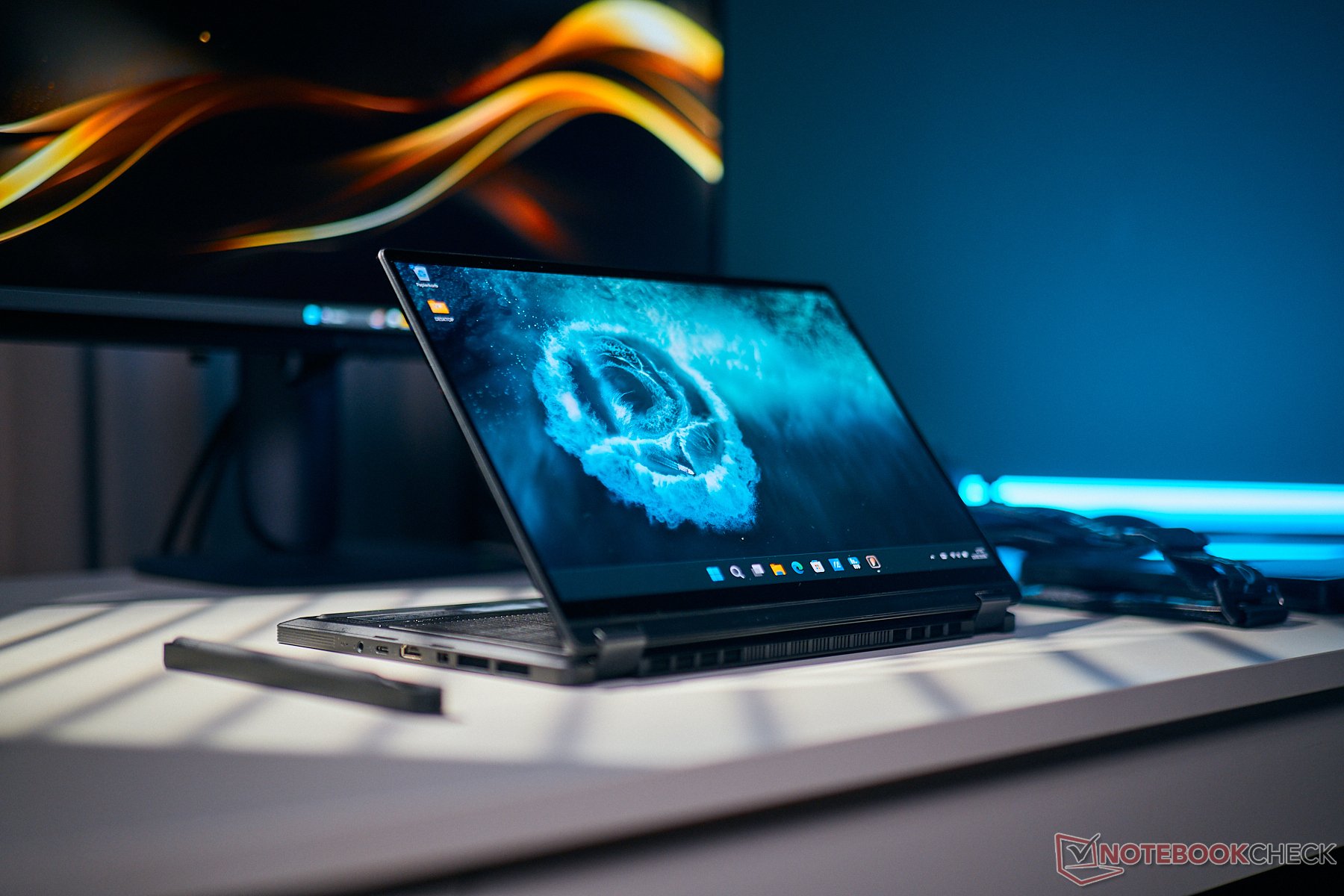
This refresh rate limitation isn't just a minor oversight—it's a significant compromise for a device positioned at the premium end of the market. When we tested the 2024 edition of the PX13, the 60 Hz limitation was already a point of criticism. Fast forward to early 2026, and the situation remains unchanged, which is particularly surprising given how display technology has evolved in the creator laptop segment.
The display specifications tell a story of missed opportunities. The 2880 x 1800 pixel OLED panel, while offering excellent color accuracy with both P3 and sRGB profiles out of the box, falls short in several key areas:
- Brightness limitations: The panel struggles to reach 400 nits in SDR mode, which is noticeably dimmer than many modern OLED competitors
- HDR performance: While the maximum HDR brightness of nearly 630 nits is acceptable, it pales in comparison to displays exceeding 1,000 nits
- Refresh rate ceiling: The 60 Hz limitation feels particularly dated when 120 Hz and even 144 Hz OLED panels are becoming increasingly common

The question naturally arises: why would Asus stick with this older panel for a €4,000 device? The answer lies in the display size. Thirteen-inch OLED screens have become something of a rarity in the current market, with manufacturers focusing primarily on 14-inch and larger panels. This size constraint significantly limited Asus's options when sourcing a suitable replacement.
Despite these limitations, the display isn't without merit. Professional users will appreciate the exceptional color accuracy—no color deviation exceeds the target value of 3, and even our own calibration attempts couldn't improve upon the factory settings. For picture and video editing work, where color precision matters more than refresh rate, the 60 Hz limitation may not be a dealbreaker.
However, for a device commanding such a premium price, these compromises are harder to justify. The creator laptop market has become increasingly competitive, with rivals offering superior display specifications at similar or even lower price points. When you're investing nearly €4,000 in a convertible, expectations naturally extend to having the best available components across the board.
The hardware upgrades in this GoPro edition are certainly impressive. The AMD Ryzen AI Max+ 395 brings substantial performance gains, and the 128 GB RAM configuration caters to demanding creative workflows. But the display remains a bottleneck that prevents this device from achieving its full potential as a premium creator tool.
For users primarily focused on color-critical work in static content creation, the ProArt PX13's display may still suffice. The accurate color profiles and excellent out-of-box calibration make it suitable for professional picture editing. However, those who value smooth scrolling, responsive UI interactions, or plan to use the convertible for any kind of motion content may find the 60 Hz limitation increasingly frustrating.
Asus's decision highlights a broader challenge in the laptop industry: balancing cutting-edge performance with display technology that matches the price point. While the company clearly prioritized processing power and memory capacity in this refresh, the display remains the one component that most directly impacts daily user experience.
The ProArt PX13 GoPro edition represents a capable creator device with impressive internal specifications, but its display choices serve as a reminder that even premium laptops can have significant compromises. Whether these trade-offs are acceptable ultimately depends on your specific workflow and how much you value display performance relative to raw computing power.
Comments
Please log in or register to join the discussion