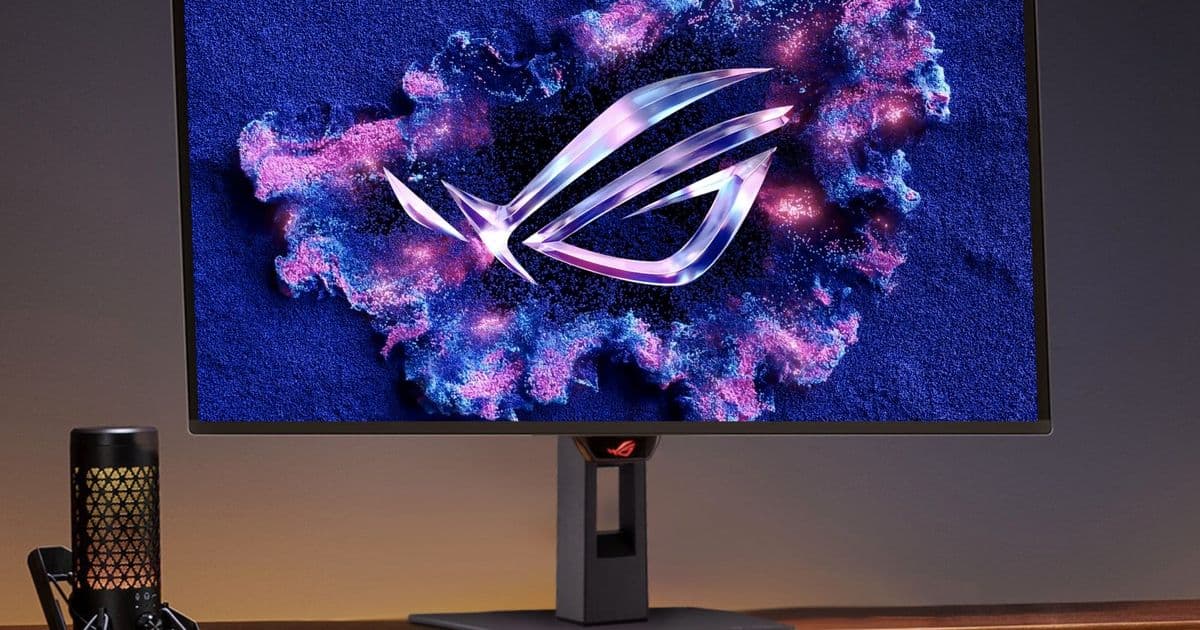
Asus has expanded the availability of its ROG Strix OLED XG27AQDMES monitor beyond China, launching it in European markets. This 27-inch QHD OLED panel offers the same core specifications as its predecessor but at a more accessible price point, thanks to strategic feature adjustments.
Asus has quietly moved its latest OLED gaming monitor from a regional exclusive to a broader international audience. The ROG Strix OLED XG27AQDMES, previously only available in China, is now being stocked across European retailers. This release strategy positions the monitor as a compelling alternative for gamers seeking premium OLED performance without the premium price tag often associated with high-end displays.
What's New: Core Specifications and OLED Care
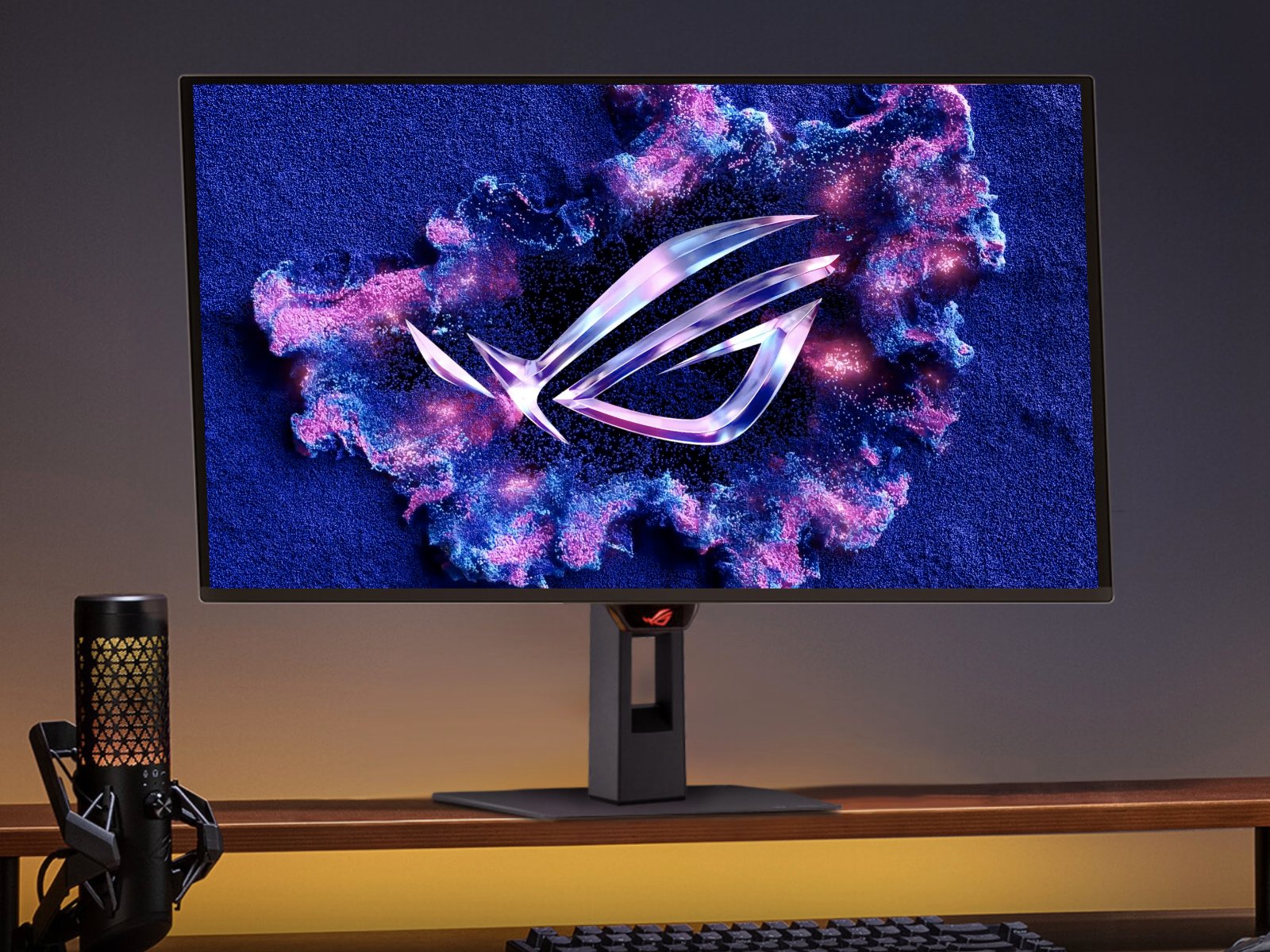
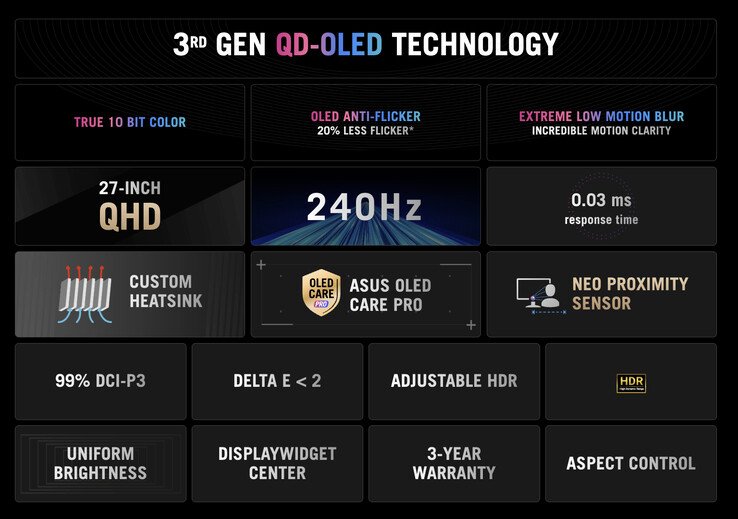
The ROG Strix OLED XG27AQDMES is built around a 27-inch QHD (2560x1440) OLED panel. It targets high-performance gaming with a 240 Hz refresh rate and an exceptionally fast 0.03 ms gray-to-gray (GtG) response time. These specifications place it firmly in the competitive esports monitor category, where motion clarity and low latency are paramount.
While the core panel specifications mirror its predecessor, the ROG Strix OLED XG27AQDMG, Asus has equipped the XG27AQDMES with a suite of technologies designed to prolong the panel's lifespan and prevent burn-in. The monitor features:
- OLED Care Pro: A comprehensive suite of software and hardware protections that actively manage pixel usage to prevent static image retention.
- Neo Proximity Sensor: This sensor can detect when the user has stepped away from the monitor, automatically dimming the screen to reduce pixel wear during idle moments.
- Custom Heatsink: A dedicated cooling solution is integrated into the monitor's design. By efficiently dissipating heat, the heatsink helps maintain optimal operating temperatures for the OLED panel, which is crucial for longevity and consistent performance.
How It Compares: The Strategic Trade-Offs
To achieve its more aggressive pricing, the XG27AQDMES makes one significant compromise compared to the XG27AQDMG: connectivity. The new model includes modern DisplayPort 1.4 and HDMI 2.1 ports, which are sufficient for driving its full resolution and refresh rate from modern graphics cards and consoles. However, it completely omits any USB connectivity. This means no USB hub functionality and no USB-C port for single-cable laptop power and video. For gamers using a dedicated desktop tower, this is a minor inconvenience, but for users with a mixed setup, it's a notable omission.
The most compelling aspect of the XG27AQDMES is its price. In China, the monitor is listed for CNY 2,999, which translates to approximately $430. European pricing is set at €529.90 (~$617) in regions like Switzerland (CHF 599). This undercuts many competing 27-inch 1440p OLED monitors, which often retail for $700 or more. For context, its predecessor, the XG27AQDMG, currently sells for around $525 on Amazon.
Who It's For
The Asus ROG Strix OLED XG27AQDMES is tailored for a specific type of user:
- Competitive Gamers: The combination of 1440p resolution, 240 Hz refresh rate, and near-instantaneous response times is ideal for fast-paced titles like Valorant, Apex Legends, and Counter-Strike 2.
- Visual Quality Enthusiasts: Gamers who prioritize deep blacks, infinite contrast, and vibrant colors offered by OLED technology for immersive single-player experiences will find this monitor a significant upgrade over traditional LCD panels.
- Budget-Conscious Buyers: Individuals who want the core OLED gaming experience without paying extra for features like USB hubs or higher resolutions (like 4K) that they may not need for competitive gaming.
The monitor is a practical choice for those who can live without the convenience of USB ports in exchange for significant savings. Its built-in OLED protection features also make it a safer long-term investment for users concerned about burn-in, a common worry with OLED displays.
For more detailed specifications and regional availability, you can visit the official Asus ROG product page.
Comments
Please log in or register to join the discussion