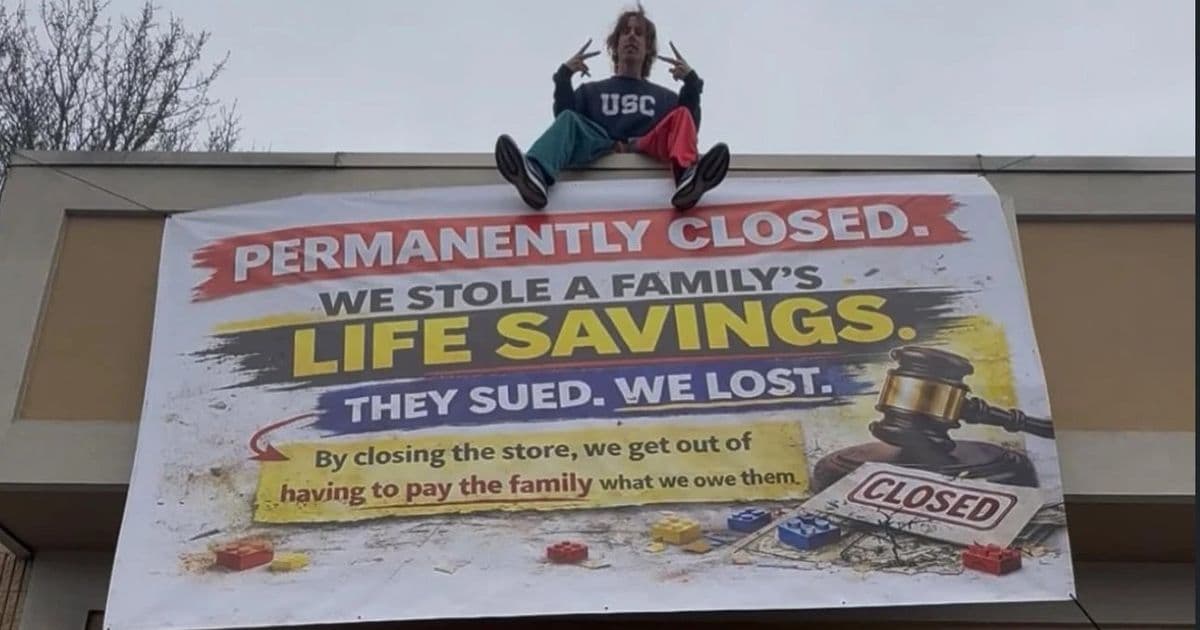
A dispute over a $200,000 personal LEGO Star Wars collection has pitted a former franchisee and his son against the Bricks & Minifigs corporate chain, sparking accusations of contract violations, police intimidation, and a court‑ordered judgment that the retailer allegedly ignored.
Ed Mansell spent decades assembling what many consider the largest private LEGO Star Wars collection, valued at more than $200,000. When his father’s health declined, Ed and his son Bryan decided to sell the inventory. Bryan entered a consignment agreement with the local Bricks & Minifigs franchise in Salem, Oregon: the store would display the sets, keep a 10 % commission on any sale, and return the remainder to Bryan.
The agreement was signed, the boxes were delivered, and the franchise posted a glowing Facebook announcement praising “this beautiful collection belonging to Ed and Bryan Mansell, estimated at over $200,000.” Shortly thereafter, Bricks & Minifigs corporate assumed control of the Salem‑Keizer location, replacing the original owner, Chrystal. The new management claimed the contract was irrelevant, telling staff that Bryan had already been “reimbursed.” When Bryan and supporters arrived with the signed paperwork to retrieve the sets, they were escorted out, trespassed, and denied any further discussion.
Evidence of a Contractual Dispute
- Signed consignment paperwork – copies posted by the YouTuber Reckless Ben show both parties’ signatures and the 10 % commission clause.
- Corporate statement – Bricks & Minifigs released a 500‑word note asserting that consignment deals are prohibited by their franchise agreement, a claim contradicted by the original franchisee’s contract that explicitly permits consignment.
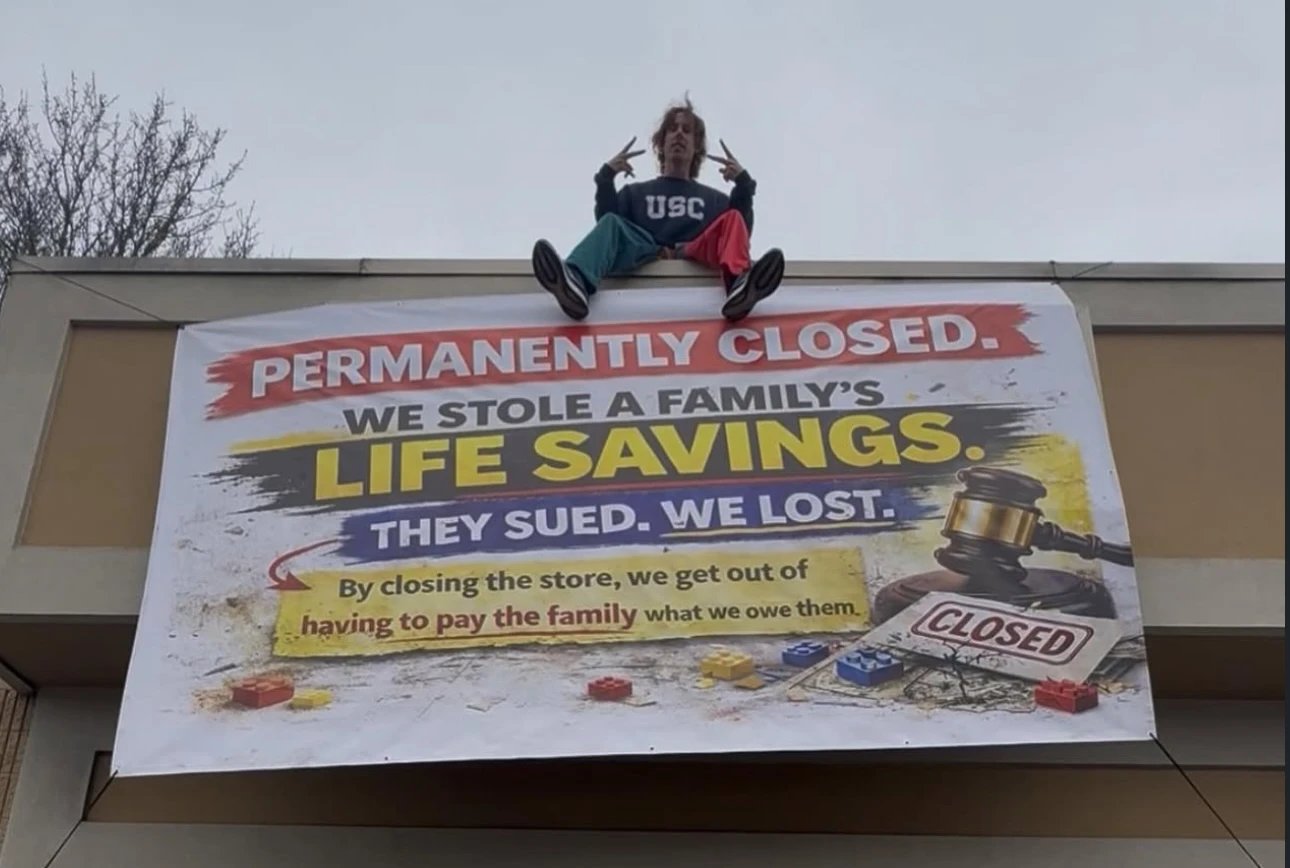
- Court ruling – A lawsuit filed by Bryan resulted in a judgment against the Salem store for retaining the inventory. Instead of paying, the franchise closed permanently.
Counter‑Perspectives
While the Mansells present a clear paper trail, Bricks & Minifigs maintains that the franchisee acted outside corporate policy. Their official line emphasizes that the corporate entity was not a party to the consignment contract and therefore bears no liability. Critics argue this is a legal‑technical dodge that does not address the core issue: the physical possession of Bryan’s property.
The Role of Law Enforcement
Reckless Ben documented multiple police interactions that appeared to favor the store:
- Officers repeatedly labeled the dispute a “civil matter,” refusing to investigate alleged theft.
- When Ben attempted to serve legal papers at the new owner’s residence, police were called four times, culminating in an arrest despite the court’s acknowledgment of the lawsuit’s legitimacy.
- A false heroin report was filed against Ben, leading to a raid on his Airbnb in American Fork, Utah. No drugs were found, and the incident generated no charges.
These incidents have raised concerns about selective enforcement and the potential influence of personal connections within the local law‑enforcement community.
Corporate Leadership and Community Context
The corporate CEO, Ammon McNeff, and the Salem franchise owners, Joshua “Josh” Johnson and Brandon Best, are all publicly identified as members of the LDS community. While shared religious affiliation does not prove misconduct, it provides context for observers noting a pattern of coordinated responses that consistently protected the franchise’s interests.
Current Status
- Judgment – The Salem store lost the lawsuit and was ordered to return the collection or compensate Bryan. The store closed rather than comply.
- Collection whereabouts – As of the latest reports, the LEGO sets remain unaccounted for. Neither the franchise nor corporate has disclosed their location.
- Public support – A GoFundMe campaign has been launched to aid Bryan with legal costs and potential replacement of the lost inventory: https://gofund.me/e275fe40d.
- Ongoing documentation – Reckless Ben continues to publish video investigations, offering a timeline of events, copies of contracts, and police‑interaction footage.
What Readers Should Consider
- Legal nuance – Even if a franchise agreement forbids consignment, the signed contract between Bryan and the original franchisee is a binding agreement that transferred physical custody of the sets to the store.
- Corporate responsibility – The corporate statement distances the parent company from the dispute, yet the franchise operates under the Bricks & Minifigs brand, raising questions about brand accountability.
- Law‑enforcement impartiality – Repeated police involvement on the side of the retailer suggests a need for external review of how civil disputes are handled when a large corporation is involved.
The case underscores a broader tension in the hobby‑retail space: the balance between franchise autonomy and corporate oversight, especially when high‑value personal collections are at stake.
For a deeper dive, see the full video series by Reckless Ben and the official corporate statement linked in the article.
Comments
Please log in or register to join the discussion