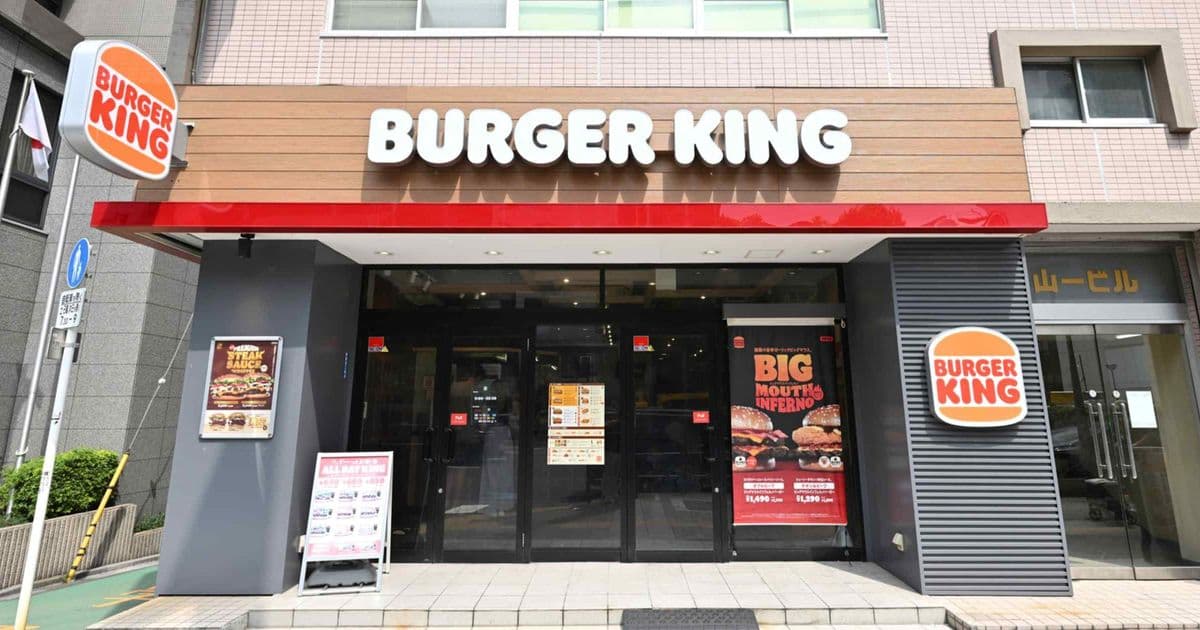
Burger King's Japanese arm is running a social media campaign offering rival fast-food operators roughly $250,000 to switch sides and open franchises. The unusual public bounty exposes a structural problem: only about 20% of the chain's Japan locations are franchised, a fraction of what competitors run, and fixing that gap is central to new owner Goldman Sachs' plan for the business.
Burger King in Japan has gone public with a recruitment pitch that reads less like a marketing campaign and more like a poaching operation. The chain is using social media to offer existing franchisees of rival fast-food brands a reward of roughly $250,000 to come over and open Burger King outlets, according to Nikkei Asia. The campaign is blunt about its goal: grow the franchise count fast, and pull experienced operators away from competitors to do it.
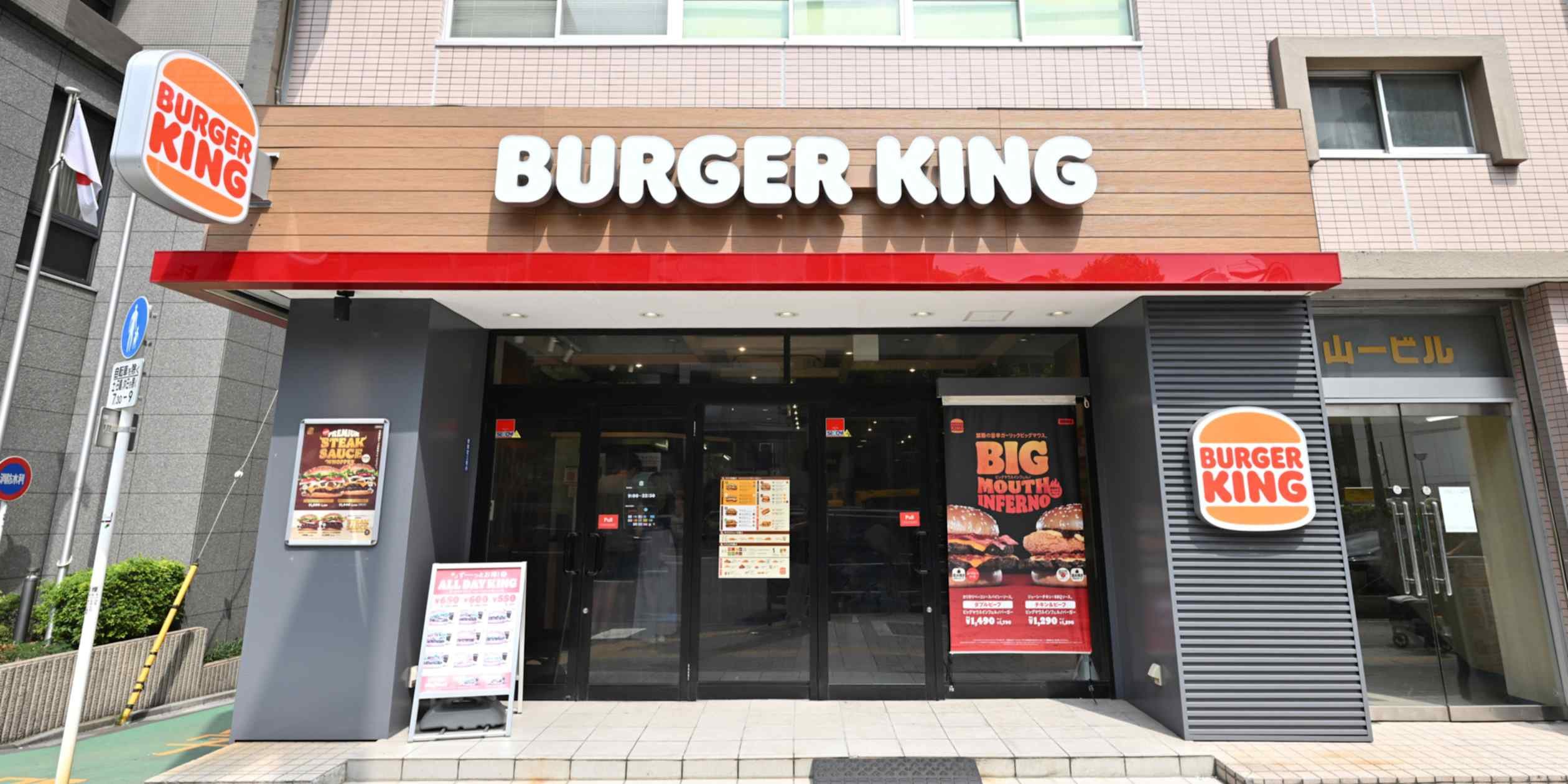
The number that makes this campaign worth paying attention to is not the $250,000 bounty. It is the franchise ratio. In Japan, only around 20% of Burger King locations are run by franchisees. The rest are company-operated. That is far below where its rivals sit, and it explains why the company is willing to advertise a six-figure incentive in the open rather than quietly negotiate deals one at a time.
Why the franchise mix matters
Fast-food economics in mature markets lean heavily on franchising for a reason. When a chain operates a store itself, it carries the full cost load: real estate, staffing, equipment, local marketing, and the day-to-day operational risk. Franchising shifts most of that capital and labor burden onto the operator. The brand owner collects royalties and franchise fees while spending far less of its own balance sheet on expansion.
For a global comparison, McDonald's runs roughly 95% of its locations worldwide as franchises. That asset-light structure is a large part of why the company is valued more like a real estate and royalty business than a restaurant operator. A chain stuck at 20% franchised is doing the opposite. It is absorbing the costs and the risks of nearly every store it runs, which caps how quickly it can grow and how much cash each new location actually returns to the parent.
That structural gap is the real subject of the campaign. Burger King Japan is not just trying to add stores. It is trying to change the kind of company it is.
The Goldman Sachs angle
The timing connects directly to ownership. Goldman Sachs acquired the Burger King operation in Japan, and Nikkei has framed that deal as the final piece in the bank's Japan strategy. When a private equity-style buyer takes over a restaurant chain, the playbook is familiar: improve unit economics, lift the franchise ratio to reduce capital intensity, and position the business for a profitable exit, whether through a sale or a public listing.
A chain that is 80% company-operated is an expensive thing to own. Converting more of those locations to franchises, and adding new franchised units on top, raises return on invested capital and makes the eventual sale story far cleaner. The $250,000 incentive is essentially Goldman putting money to work now to engineer a more attractive financial profile later. Spending a few hundred thousand dollars per recruited operator is cheap compared with the cost of building and staffing each restaurant directly.
The choice to recruit from rival franchisees rather than first-time entrepreneurs is also deliberate. An operator who already runs another fast-food brand brings site selection experience, staffing networks, supply chain familiarity, and capital. Those operators reduce the failure rate of new locations and shorten the ramp to profitability. Paying to pull them across is a faster route to a healthy franchise base than training newcomers from scratch.
The competitive backdrop
Japan's fast-food market is crowded and operators are under cost pressure. Beef bowl chains have been scrambling as U.S. beef prices climb, squeezing margins across the sector. International expansion is on everyone's mind: Jollibee is looking to list its international operations in the U.S., Saizeriya is opening in Malaysia, and Guzman y Gomez recently pulled out of the tough U.S. market. The broader signal is that fast-food groups across Asia are actively reshaping their footprints and ownership structures to chase better returns.
For Burger King, the franchise push is its version of that repositioning. Rather than expanding into new countries, it is trying to fix the financial architecture of the market it already operates in. A public campaign carries some risk. Advertising that you need operators can read as a sign of weakness, and openly courting rivals' franchisees may strain relationships with competitors and suppliers. But the alternative, staying stuck at a 20% franchise ratio, leaves the business carrying costs that its peers have long since offloaded.
What changes if the campaign works is straightforward. A higher franchise ratio means less capital tied up per store, faster store growth, and a cleaner financial story for whatever Goldman plans next. The $250,000 offer is the visible part. The strategy behind it is a bet that Japan's Burger King can be remade from a company-run chain into a franchise-led one, and that the conversion is worth paying for upfront.
Comments
Please log in or register to join the discussion