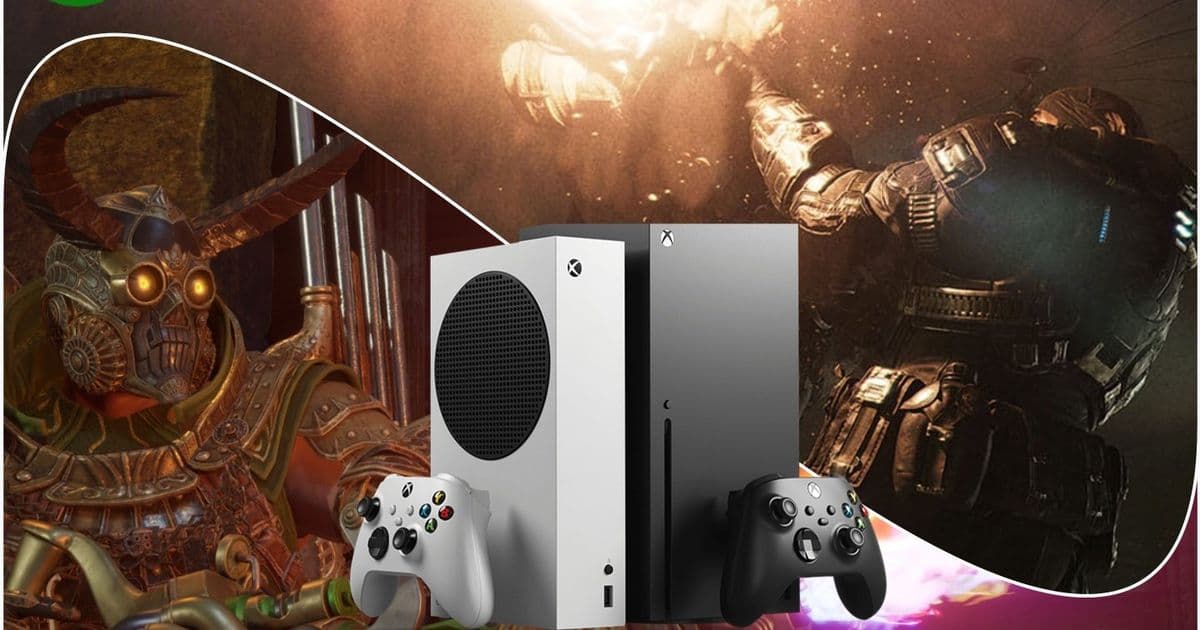
Microsoft is bringing back Xbox exclusives, starting with Gears of War: E-Day in 2026 and Clockwork Revolution in 2027, with a promise of a signature exclusive every year. It's a strategy that could justify buying the hardware, or push players toward owning multiple boxes.
Microsoft spent the last several years selling the idea that Xbox is everywhere. Games launched day one on PC, on cloud streaming, and increasingly on rival hardware. Now the company is reversing course on one key piece of that philosophy. According to an internal memo that was shared publicly, Xbox is reintroducing console exclusives, and leadership wants players to expect a new one every single year.
What's new
The memo, attributed to Xbox CEO Asha Sharma and CCO Matt Booty, lays out the plan in plain terms. "We reintroduced exclusives with Gears of War: E-Day in 2026 and Clockwork Revolution in 2027," the statement reads. "Players can continue to expect signature exclusives from us every year."
That is a meaningful shift. For most of this generation, the Xbox pitch was access without a box. Game Pass let you stream to a phone or a TV stick, and first-party titles showed up on Steam and the Microsoft Store at the same time they hit the console. The flagship Halo and Forza franchises were no longer reasons to buy specific hardware, because you could play them almost anywhere.
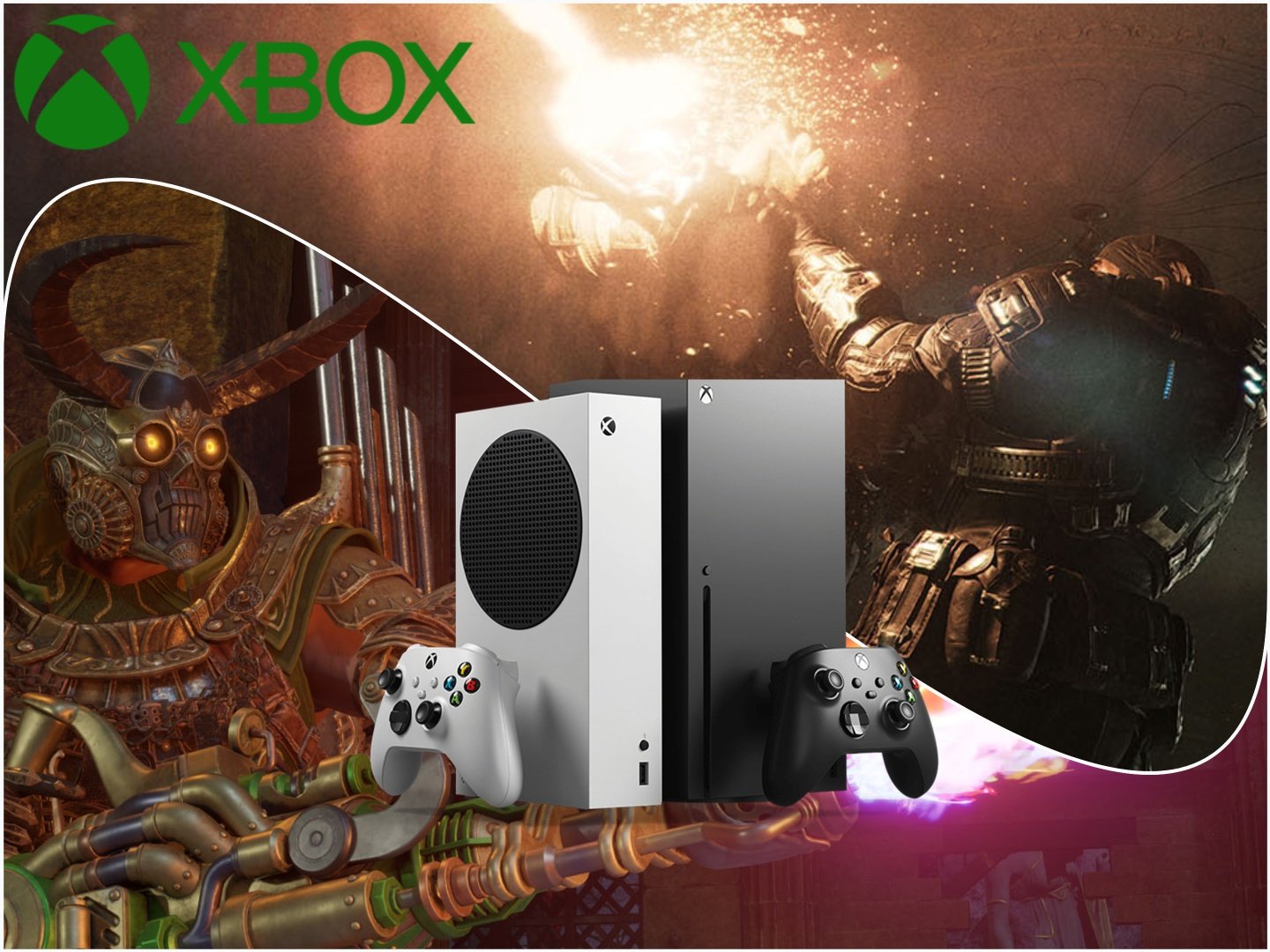
Gears of War: E-Day, the prequel built by The Coalition, becomes the 2026 anchor for Xbox-only availability. Clockwork Revolution, the steampunk first-person RPG from inXile Entertainment, takes the 2027 slot. Both are studios Microsoft already owns, so this is about distribution policy rather than new acquisitions. You can read more about Gears of War: E-Day and the broader Xbox Game Studios lineup on the official pages.
How it compares
The obvious comparison is Sony. PlayStation built its modern brand on the back of exclusives, from God of War to The Last of Us to Spider-Man. Sony eventually started porting older first-party games to PC, but it deliberately staggered those releases by a year or more, protecting the console launch window. The hardware stayed the reason to buy in, and the PC port became a second revenue stream afterward.
Microsoft is now borrowing that exact playbook. The memo language, promising a signature exclusive every year, mirrors the cadence Sony established with its prestige single-player titles. Where the two diverge is history. Sony never abandoned exclusives, so it never had to win players back. Xbox spent years telling its audience that exclusivity was an outdated idea, which makes this reversal harder to sell to the people who took that message at face value.
There is also the Nintendo angle. The Switch and its successor lean almost entirely on first-party software that appears nowhere else, and that approach kept Nintendo profitable through a relatively underpowered hardware era. Exclusives, in other words, have repeatedly proven they move consoles. The question is whether one per year is enough volume to matter when the competition fields several.
The trade-off
Console exclusivity has always cut both ways. The case in favor is straightforward. A strong library of games you cannot get elsewhere is historically what drove people to buy a dedicated machine in the first place. Pair that with the things consoles still do well, simple setup, couch play, and no driver or hardware compatibility headaches, and an exclusive can tip a purchase decision.
The case against is just as real. Exclusivity forces anyone who wants to play across the industry to buy more than one box. A player who wants Gears, a PlayStation title, and a Nintendo release ends up spending on three pieces of hardware instead of one. That runs against the reasonable position that games should simply be available to everyone who wants to pay for them.
For Microsoft specifically, that openness was a business problem. Putting every game everywhere meant the Xbox console itself had little to differentiate it, and hardware sales reflected that. Sony appears to have reached a similar conclusion, which is why its most valuable franchises still launch on PlayStation first. A platform holder needs a reason for the platform to exist.
Who it's for
If you already own an Xbox, this is good news with a caveat. You get guaranteed marquee titles that PC and rival owners will not, at least at launch. The caveat is that the strategy only works if the games are good, and one annual release puts enormous pressure on each title to land.
If you are a multi-platform player who buys hardware based on libraries, this nudges Xbox back into the conversation as a box worth owning rather than an app you stream through. And if you were drawn to the everything-everywhere era of Game Pass, the shift is a reminder that platform strategy is never settled. Xbox leadership has signaled more exclusives beyond these two, so the once-a-year promise reads as a floor rather than a ceiling. Whether that floor is high enough to sell consoles is the bet Microsoft is now making.
Comments
Please log in or register to join the discussion