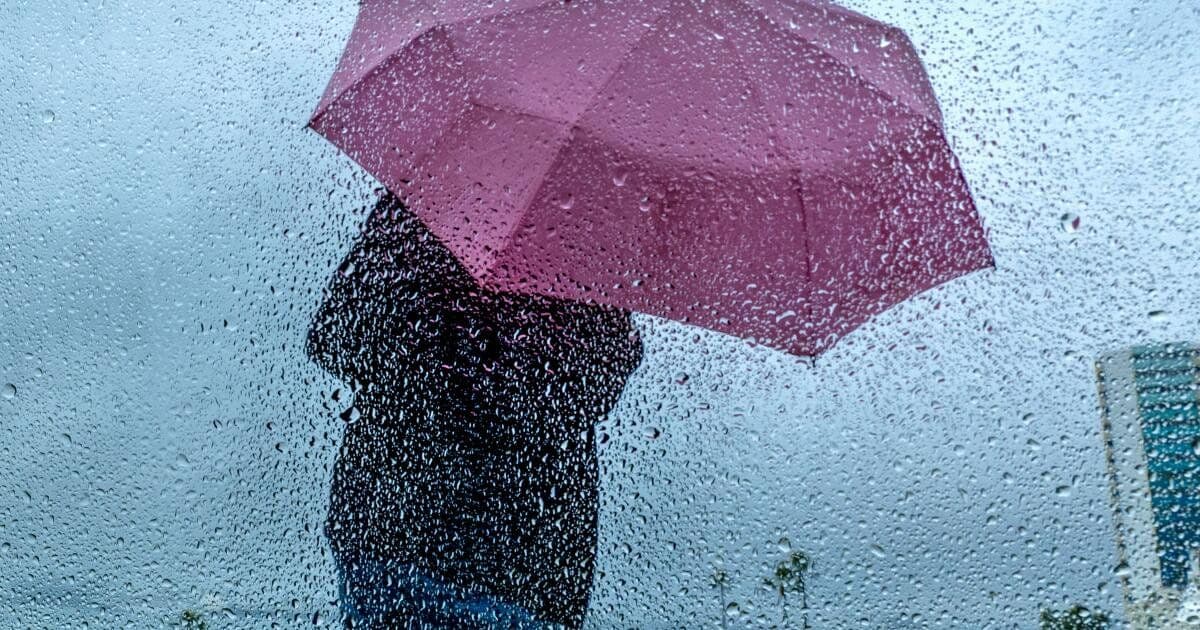
For the first time since 2000, California reports zero areas of abnormal dryness after record-breaking winter storms, though scientists warn climate change will intensify extreme weather swings.

California has achieved a significant environmental milestone: the complete absence of abnormal dryness statewide for the first time in 25 years. This development follows an exceptionally wet holiday season that saturated soils, replenished reservoirs, and temporarily eliminated wildfire concerns across the Golden State. According to the U.S. Drought Monitor's latest data, this marks the first such occurrence since December 2000—a notable shift for a region that endured two record-breaking droughts within the past 15 years, including a 1,300-day drought cycle ending just two years ago.
Current water storage levels reflect this dramatic turnaround. Fourteen of California's seventeen major reservoirs now stand at 70% capacity or higher, per the California Department of Water Resources. UC climate scientist Daniel Swain confirms the state faces minimal wildfire risk currently, describing conditions as "about as close to zero as it ever gets." Water supply concerns appear resolved for 2026, providing rare breathing room for communities and agricultural operations.
Despite short-term relief, climate scientists emphasize this reprieve comes with long-term complications. Research increasingly shows how climate change amplifies weather volatility through what Swain terms the "atmospheric sponge effect." Warmer air accelerates evaporation during dry periods, intensifying droughts, while simultaneously holding more moisture that fuels extreme rainfall events. This oscillation creates dangerous sequences where heavy vegetation growth during wet periods transforms into abundant wildfire fuel during subsequent dry spells.
The destructive Palisades and Eaton fires of January 2025 illustrate this pattern. Preceded by Mammoth Mountain's record snowfall in 2022-2023, Southern California then experienced one of its driest periods on record in late 2024. The abrupt shift from saturated to parched landscapes enabled catastrophic fire conditions without requiring prolonged drought. "We didn't need a multiyear drought to reach catastrophic fire risk," Swain noted, highlighting how climate volatility alone can trigger disasters.
Current Sierra Nevada snowpack levels remain below average at 89% of normal, reflecting broader Western water challenges. The Colorado River Basin—critical for Southern California's supply—faces strain from minimal Rocky Mountain snowfall. This underscores how regional water security remains interconnected even during California's recovery.
While Californians welcome temporary relief, Swain cautions that climate models predict increasingly severe swings between deluge and drought. The state's hard-won drought-free status offers a moment to acknowledge progress but also serves as a reminder to prepare for more extreme weather cycles ahead.
Comments
Please log in or register to join the discussion