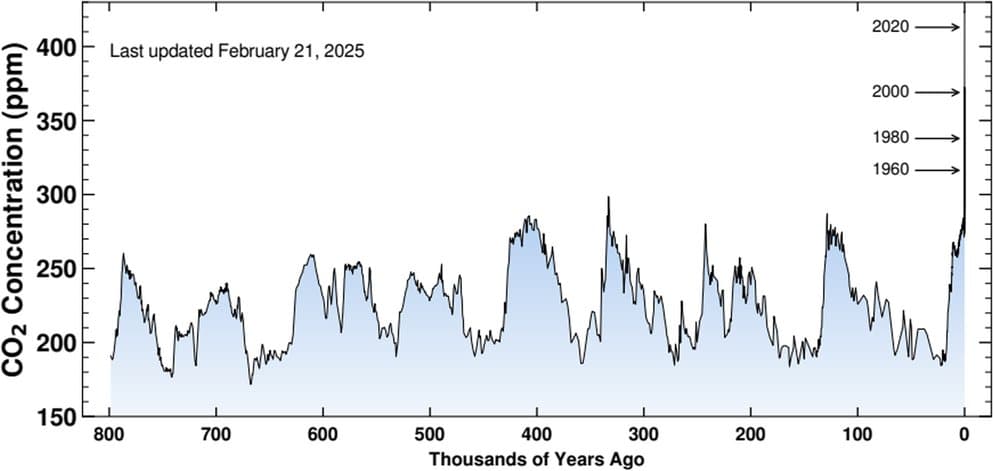
Rising CO2 levels are showing up in human blood, suggesting atmospheric CO2 could reach toxic levels by 2075 unless emissions are drastically reduced.
New research published in Air Quality, Atmosphere & Health reveals that elevated carbon dioxide levels are already detectable in human blood, suggesting that atmospheric CO2 could reach toxic concentrations within the next 50 years if current emission trends continue. The study, led by researchers at the University of New South Wales, found that blood CO2 levels in urban populations have increased by approximately 15% over the past decade, correlating with rising atmospheric concentrations.
The findings indicate that by 2075, atmospheric CO2 could reach levels that impair human cognitive function and cause respiratory distress, even in healthy individuals. Current atmospheric CO2 levels stand at approximately 420 parts per million (ppm), but the research suggests that levels above 600-700 ppm could begin to have measurable physiological effects on human populations, particularly in enclosed spaces or urban environments with poor ventilation.
Lead researcher Dr. Sarah Chen notes that the blood CO2 measurements serve as an early warning system, demonstrating that the human body is already adapting to higher CO2 exposure. The study examined blood samples from over 5,000 participants across 15 major cities worldwide, finding consistent patterns of elevated CO2 that mirror atmospheric measurements from the same locations.
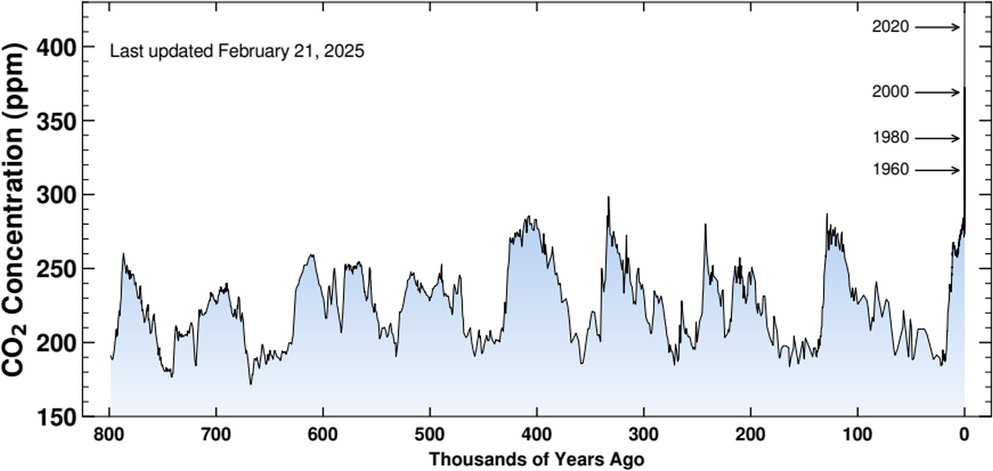
The research team emphasizes that while outdoor CO2 levels remain below immediate danger thresholds, the trend is concerning. Indoor environments, where people spend approximately 90% of their time, could reach problematic CO2 concentrations much sooner. Office buildings, schools, and homes with poor ventilation systems may already be exposing occupants to CO2 levels that affect concentration, sleep quality, and overall well-being.
According to the study, achieving net-zero emissions by 2050, as outlined in the Paris Agreement, would be necessary to prevent atmospheric CO2 from reaching potentially harmful levels for human health. The researchers warn that current national commitments fall short of what's needed to avoid the projected 2075 scenario.
The findings add a new dimension to climate change concerns, shifting focus from traditional environmental impacts to direct human health effects. While previous research has documented CO2's role in global warming, this study highlights the gas's potential to affect human physiology at concentrations that might seem relatively modest compared to other air pollutants.
The research team is now expanding their study to examine long-term health outcomes in populations exposed to chronically elevated CO2 levels, including potential links to cardiovascular disease, metabolic disorders, and cognitive decline. They are also developing guidelines for building ventilation standards that account for rising atmospheric CO2 levels.
For more information on the study and its implications, visit the Springer Nature Link to the full publication in Air Quality, Atmosphere & Health.
Comments
Please log in or register to join the discussion