
ChangXin Memory Technologies (CXMT) plans HBM3 mass production by late 2026 using domestically developed assembly tools from Naura, Maxwell and U-Precision, aiming to overcome U.S. export restrictions and supply China's AI accelerator market.
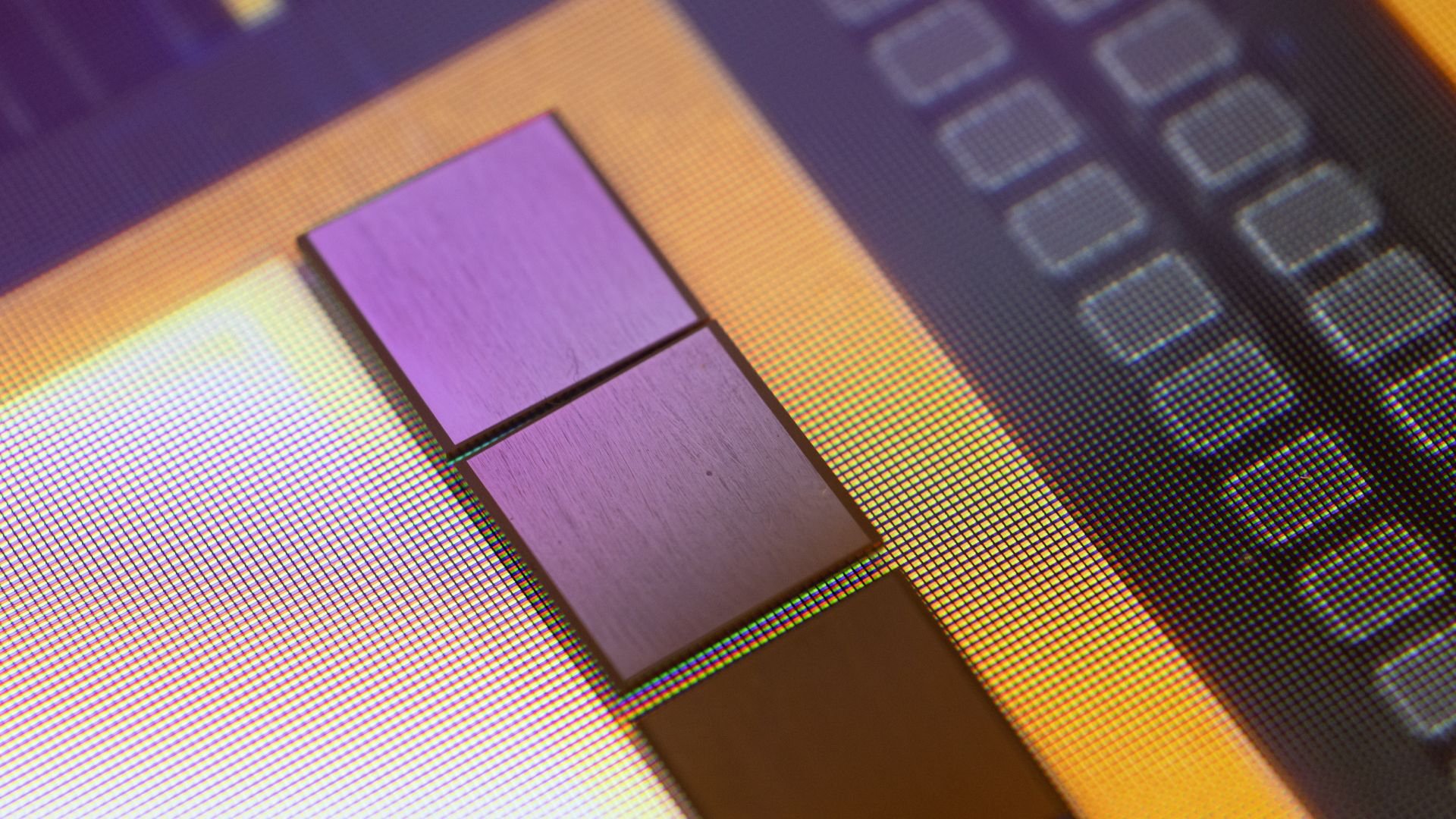
China's semiconductor industry is mobilizing to achieve fully localized production of third-generation high-bandwidth memory (HBM3) by late 2026. ChangXin Memory Technologies (CXMT), China's leading DRAM manufacturer, is preparing for volume production while simultaneously supplying engineering samples to domestic AI hardware developers like Huawei. This accelerated timeline represents a strategic response to U.S. export controls that restrict access to advanced memory production tools.
Technical Specifications and Production Strategy
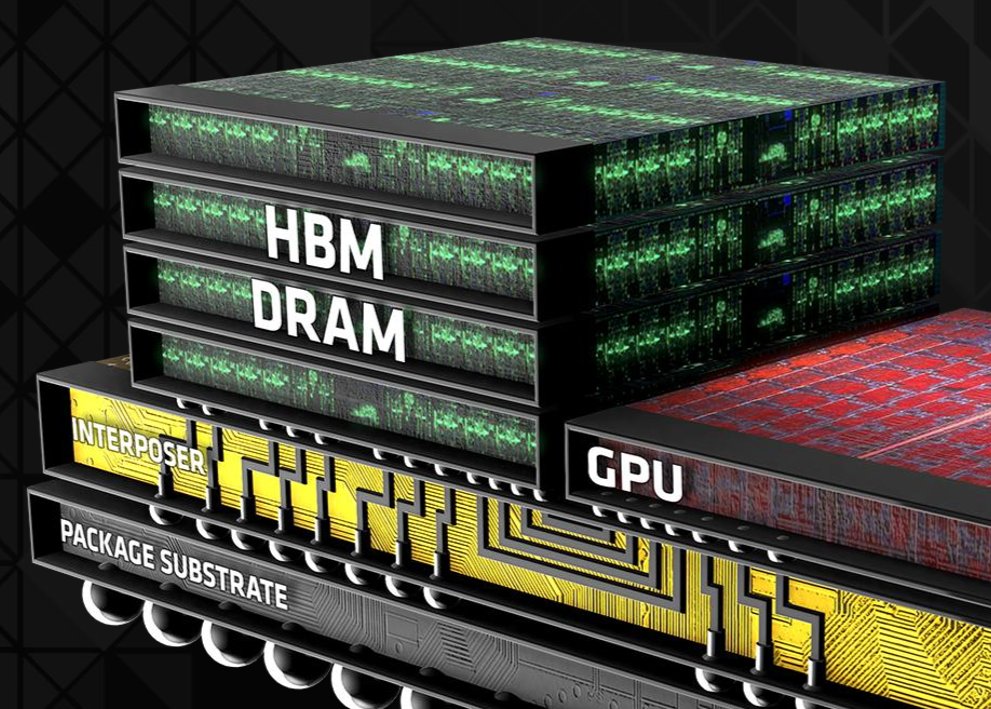
- CXMT's HBM3 Implementation: The company has initiated sampling of 8-layer HBM3 stacks featuring 1024-bit interfaces and target bandwidth exceeding 819 GB/s. Each stack integrates DRAM dies measuring approximately 100mm² - three times larger than standard DDR5 chips - requiring significant wafer capacity allocation.
- Manufacturing Infrastructure: CXMT's transition from commodity DRAM (DDR5/LPDDR5) to HBM3 necessitates new thermal compression bonding tools and through-silicon via (TSV) capabilities. Current facilities support DDR5 production at 17nm-class nodes, with HBM3 expected to utilize similar process geometries initially.
- Packaging Partnership: Wuhan Xinxin Semiconductor Manufacturing (XMC), affiliated with NAND producer YMTC, is developing hybrid bonding technology targeting 3,000 wafer/month HBM packaging capacity. XMC's TSV process remains in development, creating dependency on CXMT for base DRAM dies given restricted access to foreign HBM components.
Domestic Tool Development
Export controls prohibiting sales of advanced etching and bonding tools have accelerated domestic equipment development:
- Naura Technology now offers integrated systems for HBM manufacturing, including high-aspect-ratio TSV etching tools (achieving 10:1 aspect ratios), dielectric deposition modules, and specialized cleaning equipment. The company currently holds 30% market share in China's etching tool sector.
- Maxwell Semiconductor has developed hybrid bonding equipment capable of sub-10μm interconnect pitch for die stacking, critical for signal integrity in 8-layer HBM configurations.
- U-Precision provides wafer-level packaging tools targeting warpage control during thermal processing, though commercial deployment readiness remains unverified.
Market Implications and Challenges

- AI Accelerator Dependency: China's AI chip sector requires over 1 million HBM stacks annually by 2027 according to industry projections. Current HBM3e supply is dominated by SK hynix (50% market share), Samsung (40%), and Micron (10%), leaving Chinese developers vulnerable to sanctions.
- Yield and Capacity Risks: Initial HBM3 production at CXMT faces yield challenges due to package complexity. Each 8-die stack has >250,000 TSV interconnects, where a single defect can scrap the entire assembly. Industry estimates suggest initial yields below 60% versus >80% for market leaders.
- Economic Impact: HBM3 commands approximately $120-$150 per stack versus $5-$7 for equivalent DDR5 capacity, representing a potential $1.5B annual revenue opportunity for CXMT at scale.
Timeline and Feasibility
Based on tool qualification cycles and yield ramp data, volume production appears achievable by Q4 2026 with these caveats:
- Tool readiness: Domestic bonding equipment must achieve <0.5μm alignment accuracy
- Thermal management: Warpage below 50μm across 8-die stacks
- Testing infrastructure: Lack of advanced probe systems may limit throughput
Successful implementation would position CXMT as China's first vertically integrated HBM producer, though output may initially cover just 15-20% of domestic AI accelerator demand through 2028.
 Anton Shilov is a semiconductor industry analyst with 20 years of experience covering advanced manufacturing nodes and supply chain dynamics.
Comments
Please log in or register to join the discussion