Beijing and Moscow now dominate atomic energy development, constructing nearly all new reactors worldwide while expanding geopolitical influence through exports to emerging economies.
The global nuclear power landscape has undergone a seismic shift, with China and Russia now responsible for 90% of atomic reactors under construction worldwide. This unprecedented concentration of nuclear development capability allows both nations to extend their geopolitical reach while meeting rising energy demands.
According to industry data from 2025, the two countries initiated construction on 15 of the 17 reactors started globally last year. China leads with 10 domestic reactor projects currently underway, while Russia handles 5 international installations. Their state-backed enterprises have effectively displaced traditional Western nuclear suppliers through competitive financing packages and turnkey plant construction.
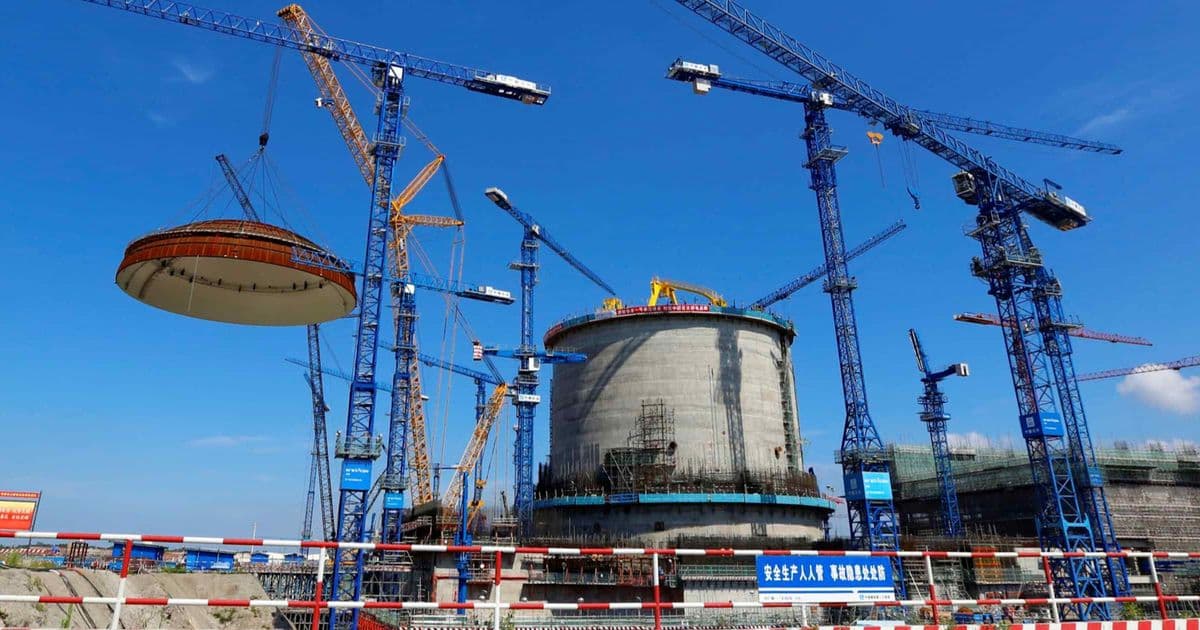
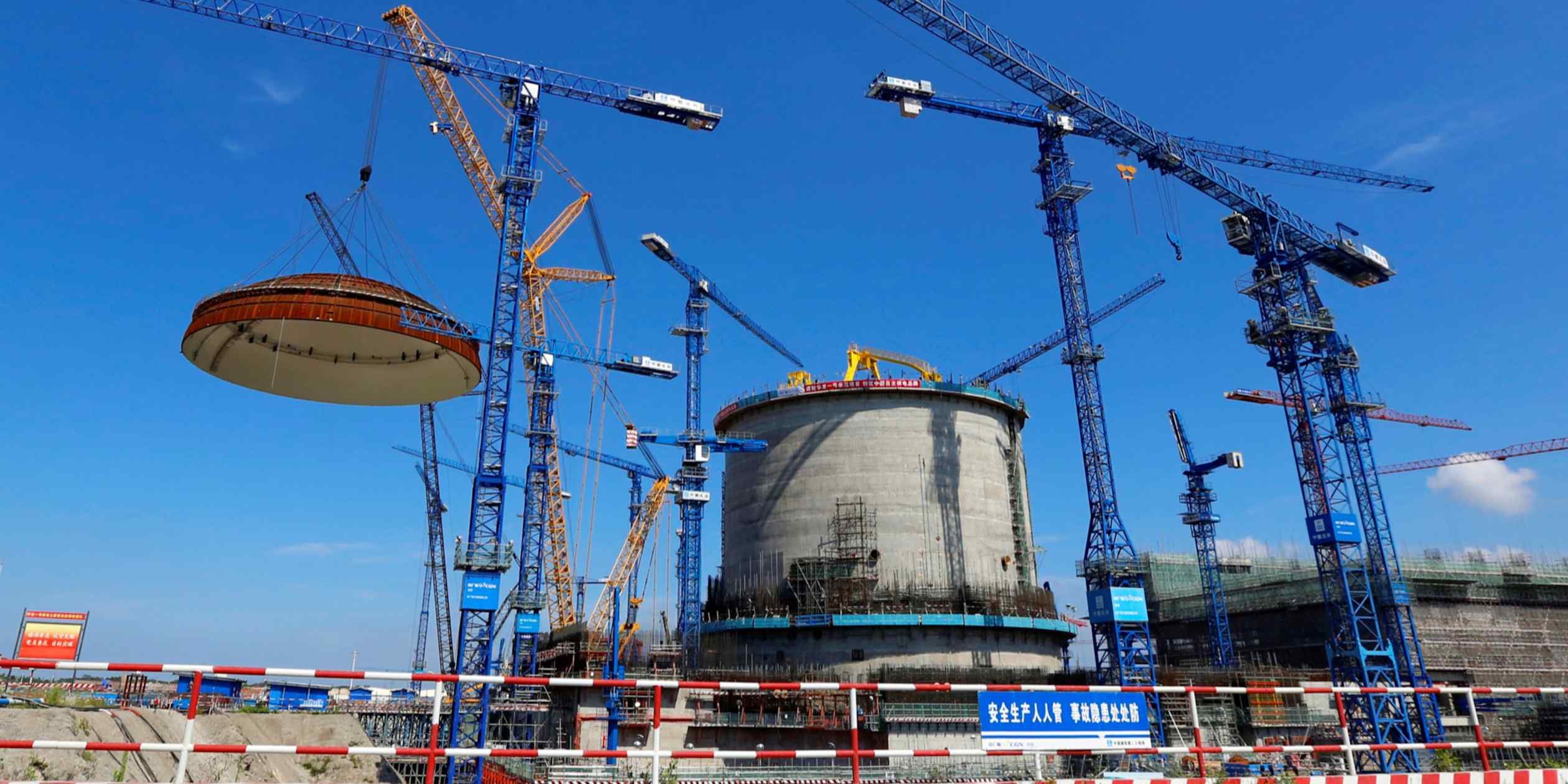
China's nuclear expansion centers on its flagship Hualong One reactor design, visible in projects like the Fangchenggang nuclear plant in Guangxi. Each reactor represents a $5-7 billion investment, with Chinese institutions providing low-interest loans covering up to 85% of project costs. Beyond domestic expansion, Beijing has exported reactors to Pakistan and Argentina, with framework agreements signed for projects in Saudi Arabia and Uganda.
Russia's Rosatom maintains nuclear projects across four continents despite geopolitical tensions. The state nuclear corporation is building Turkey's first atomic plant at Akkuyu, Egypt's Dabaa facility, and Bangladesh's Rooppur station. Rosatom's build-own-operate model allows client nations to repay loans through electricity revenues over decades.
Three factors drive this dominance:
- State Financing: Both countries offer financing terms unavailable from Western firms or multilateral banks
- Standardized Designs: Mass-produced reactor components reduce costs and construction timelines
- Geopolitical Strategy: Nuclear exports create long-term energy dependencies and diplomatic leverage
The shift leaves traditional nuclear powers struggling. French firm EDF faces project delays and cost overruns, while U.S. reactor projects confront financing challenges. Japan's nuclear restart program progresses slowly despite recent policy changes.
Environmental implications remain significant. Each new reactor prevents approximately 10 million tons of annual CO2 emissions compared to coal plants. However, concerns persist about technology transfer oversight and waste management in recipient countries with less developed regulatory frameworks.
As emerging economies seek reliable baseload power without fossil fuels, China and Russia appear positioned to define global nuclear energy development for decades. Their combined reactor pipeline suggests this duopoly will strengthen through 2030, reshaping energy geopolitics while potentially accelerating decarbonization in developing nations.
Comments
Please log in or register to join the discussion