A maritime boundary dispute east of Taiwan is also a stress test for the physical internet and the AI chip supply chain.
Business News
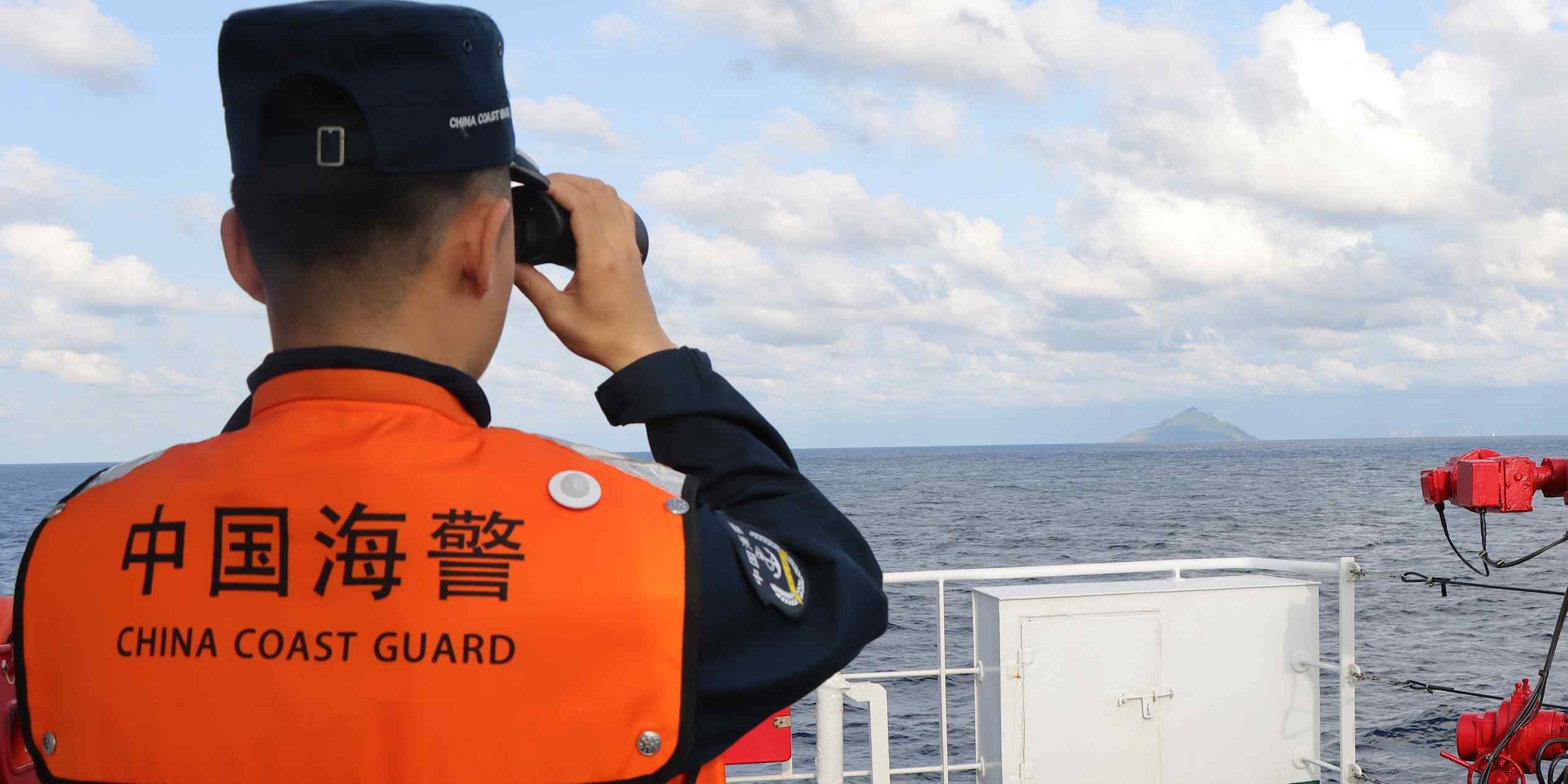
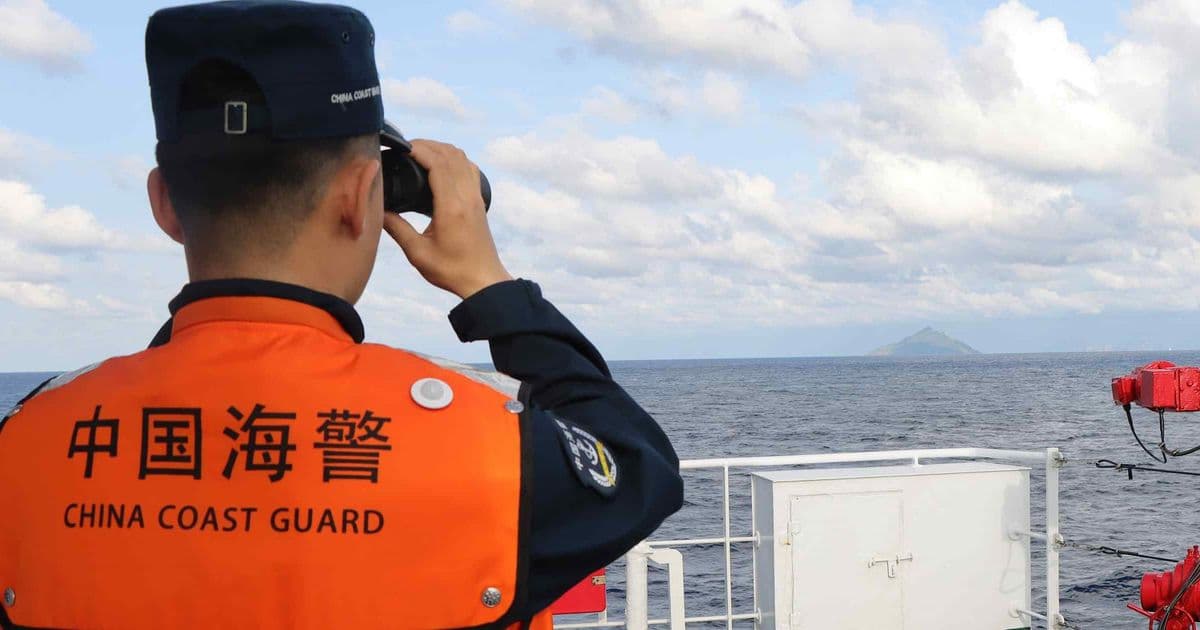
China has expanded coast guard patrols in waters east of Taiwan after Japan and the Philippines moved toward talks on demarcating maritime boundaries, according to the Nikkei Asia report supplied for this article and a similar account from the Times of India. Beijing framed the patrols as a response to Tokyo and Manila’s plan to discuss exclusive economic zone and continental shelf boundaries in an area China says involves Taiwan.
For markets, the immediate issue is not only sovereignty language. It is geography. The waters east and south of Taiwan sit near major subsea cable routes and commercial shipping corridors connecting Japan, Taiwan, South Korea, Southeast Asia and North America. The International Cable Protection Committee says undersea cables carry more than 99% of intercontinental electronic communications traffic. That makes patrol activity near cable-dense waters a business risk for telecom carriers, cloud platforms, banks, chip companies and insurers.
Taiwan has already treated cable security as a national economic issue. In February 2025, Taiwanese authorities investigated a Chinese-crewed vessel suspected of severing a Chunghwa Telecom undersea cable near Penghu, according to AP News. Later reporting cited by Tom’s Hardware said Taiwan had increased 24-hour patrols around 24 undersea cables and was monitoring 96 China-linked vessels considered higher risk.
Market Context
The patrols arrive while global technology spending is unusually concentrated in Taiwan-linked infrastructure. TSMC remains the key foundry for the AI accelerator cycle, serving customers across Nvidia, Apple, AMD, Broadcom and Qualcomm. In May 2026, TSMC generated NT$417 billion, about $13.2 billion, in revenue, up 30.1% year over year, according to Investor’s Business Daily. The same report said TSMC was tracking toward second-quarter revenue guidance of $39 billion to $40.2 billion.
That financial scale explains why a coast guard patrol can matter to equity and credit markets even if no cable is cut and no ship is blocked. TSMC’s 2026 capital spending plan has been reported in the $52 billion to $56 billion range, with AI and high-performance computing demand driving utilization. A region that supplies the highest-value nodes in the chip economy is also sitting beside the physical links that move trading data, cloud traffic, enterprise workloads and command-and-control communications.
Undersea cable risk is different from semiconductor factory risk, but the two now trade together in investor models. A cable disruption does not shut down a fab by itself. It can, however, raise latency, force traffic rerouting, complicate cloud availability, disrupt financial messaging and increase the cost of redundancy. For hyperscalers, that means more pressure to buy route diversity, contract backup capacity and harden network operations. For telecom operators, it means more capex tied to monitoring, repair readiness and alternative landing points.
Shipping adds a second layer. The same maritime space supports cargo flows for electronics, energy and industrial inputs. If insurers begin treating patrol-heavy routes as higher-risk corridors, the effect can show up through war-risk premiums, rerouting decisions and longer lead times. Those costs are small compared with the value of advanced chips, but they compound across a supply chain already paying for more inventory buffers, duplicated production footprints and regionalized assembly.
What It Means
The strategic implication is that Asia’s tech supply chain is being repriced around infrastructure exposure, not only manufacturing capacity. Investors have spent years tracking fab locations, lithography tool availability and export controls. The next layer is whether the networks, ports and sea routes around those fabs can absorb pressure without turning localized incidents into broader service interruptions.
For Japan and the Philippines, maritime boundary talks are part of a wider effort to clarify economic rights under international law. For China, patrols are a signaling tool. For technology companies, the relevant takeaway is that legal claims can quickly become operating variables. Cloud providers, chip designers, telecom carriers and electronics manufacturers may need to treat Taiwan-area maritime risk as a standing item in procurement, continuity planning and customer contracts.
The near-term market reaction is likely to be selective rather than systemic. TSMC’s earnings power is still being driven by AI demand, high utilization and advanced-node scarcity. But the patrols strengthen the case for a geopolitical risk premium around Taiwan-linked assets. That premium will not be expressed only in semiconductor stocks. It can also affect subsea cable operators, satellite backup providers, cybersecurity vendors, maritime insurers and data center companies building route diversity across Japan, Guam, Singapore, Australia and the U.S. West Coast.
The business signal is clear: the AI economy depends on very physical chokepoints. Chips need fabs, fabs need shipping lanes, and cloud platforms need cables across the seabed. China’s patrols east of Taiwan are a reminder that the most valuable parts of the tech economy are not protected by software alone.
Comments
Please log in or register to join the discussion