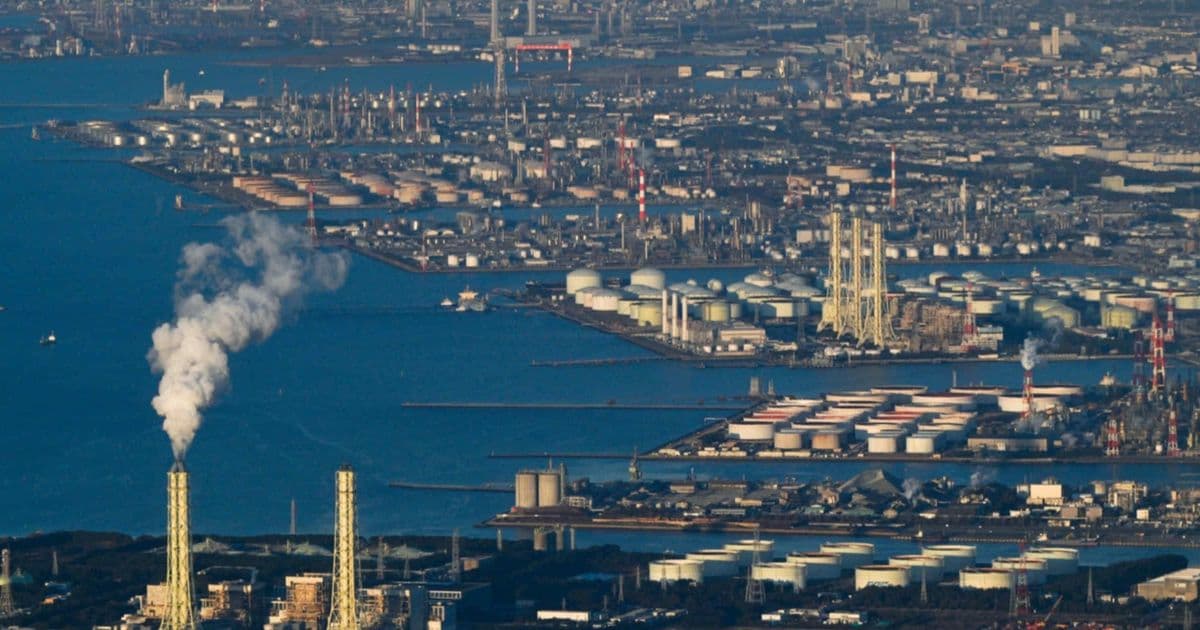
An Iran war disruption to naphtha shipments has squeezed Japan, South Korea and other Asian petrochemical producers, but China's diversified feedstock strategy has left its plastics and chemicals industry largely intact. The split exposes how a decade of supply chain restructuring is now redrawing competitive lines across the region's $1 trillion materials economy.
Japan's naphtha imports have clawed back to about 80% of their pre-Iran war levels, a recovery that sounds reassuring until you consider what it implies: a fifth of the feedstock that powers one of Asia's largest chemical industries simply vanished and has not fully returned. South Korea faces a similar shortfall. China, the country most observers expected to be most exposed, has absorbed the same shock with comparatively little disruption.
That divergence is the real story of the naphtha crisis, and it tells you more about the next decade of Asian industrial competition than any single quarter of pricing data.
What happened
Naphtha is the unglamorous liquid hydrocarbon that sits at the base of the petrochemical chain. Crack it in a steam cracker and you get ethylene and propylene, the building blocks for the polyethylene and polypropylene that become packaging, automotive parts, textiles, diapers and roughly everything plastic. Asia's big producers, Japan and South Korea chief among them, run naphtha-fed crackers because they lack the cheap domestic natural gas that lets US and Middle Eastern rivals run on ethane instead.
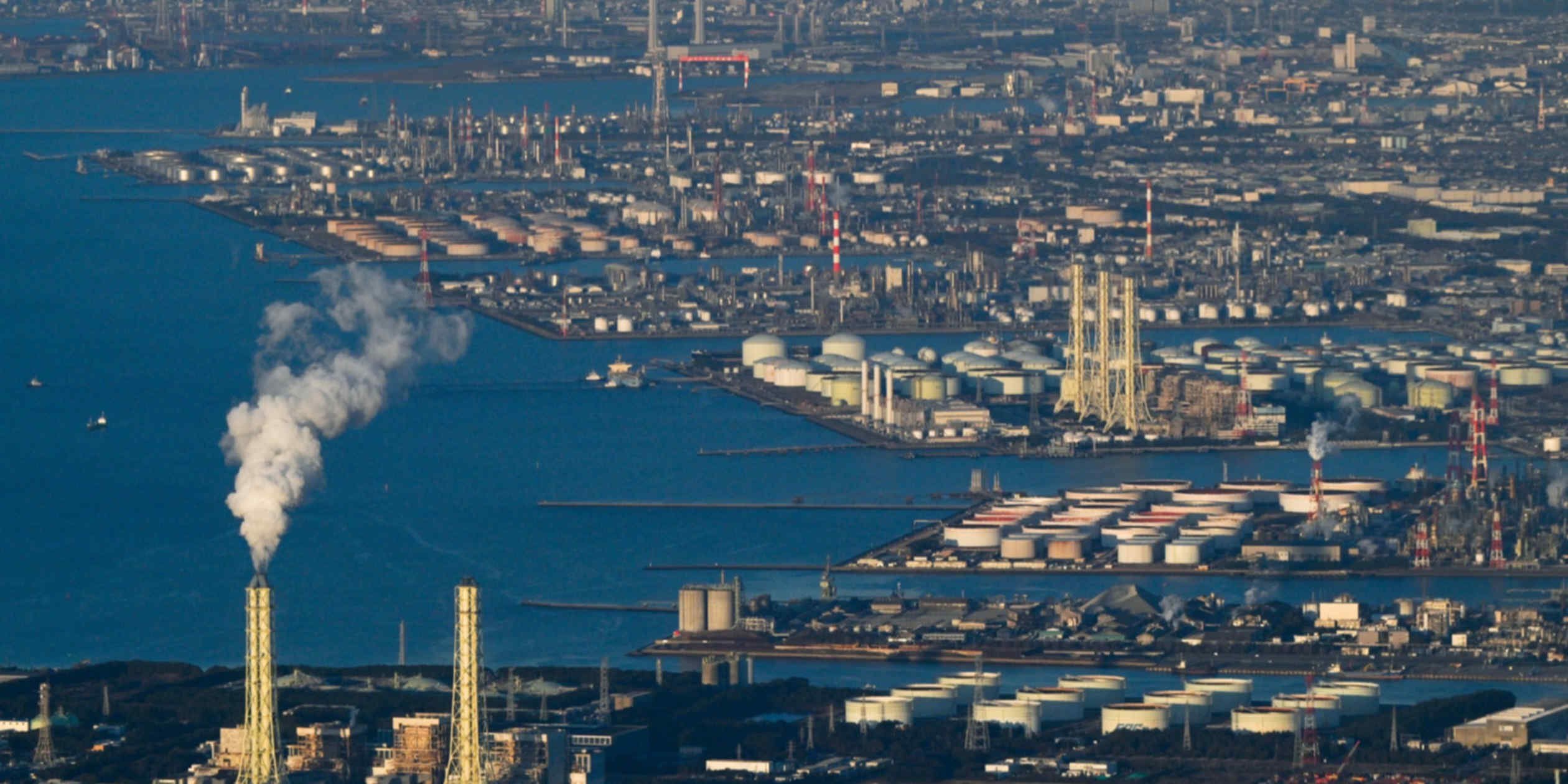
The Iran war choked off a meaningful slice of the naphtha that flows out of the Persian Gulf and through the Strait of Hormuz. Japanese complexes like the ones lining Tokyo Bay in Chiba prefecture, built decades ago on the assumption of steady Middle Eastern feedstock, suddenly found themselves short. Tokyo has since moved to lock in alternative supply, including pressing Malaysia for the maximum possible volumes of LNG and naphtha, and labeling the Philippines a "top priority" partner for oil reserve support.
China ran a different playbook, and it ran it years ago.
Why China barely flinched
Beijing spent the past decade deliberately diversifying both its crude sources and its feedstock mix. Its refiners had already pushed oil imports to an eight-year low heading into the conflict, partly by leaning on discounted Russian and other non-Gulf barrels, which cushioned the price shock that rattled importers more dependent on Hormuz transit.
More important for petrochemicals specifically, China has invested heavily in coal-to-olefins and propane dehydrogenation capacity alongside conventional naphtha crackers. When one feedstock route gets expensive or scarce, Chinese producers can shift weight toward another. That optionality is the entire game. A naphtha shortage that idles a Japanese cracker is, for a diversified Chinese complex, a margin problem rather than a production-stopping one.
The result is that China is extending a lead it was already building. Even before the war, Chinese capacity additions in ethylene and downstream polymers had been compressing margins across the region, forcing older Japanese and Korean assets to question their long-term viability. The feedstock crisis accelerates that pressure. Plants that cannot reliably source naphtha at workable prices lose volume, lose customers and lose the scale economics that justify keeping them open.
The market context
This is happening against a backdrop of broader supply chain fragmentation that the war has only sharpened. Tungsten scrap is flowing from the US to Japan as buyers scramble around Chinese export curbs. Tin demand tied to AI server production is projected to triple by 2030, straining another set of supply lines. Across commodities, the pattern is the same: concentration of supply in a few chokepoints is being exposed as a liability, and the players who diversified early are collecting the dividend.
For Japan and South Korea, the strategic implication is uncomfortable. Their petrochemical industries were already structurally disadvantaged on feedstock cost relative to ethane-based US producers and increasingly relative to a diversified China. The war did not create that gap, but it removed any illusion that the status quo supply model was resilient. Tokyo's push for new Asian partnerships, fresh supplier relationships in Southeast Asia, expanded reserve cooperation, and interest in naphtha-light alternatives for products like diapers and sanitary pads, reads as an attempt to retrofit resilience onto a system designed for a calmer era.
What it means
The near-term recovery in Japanese naphtha flows will ease the immediate pain, but the competitive damage is the kind that compounds. Every month a Japanese or Korean cracker runs below capacity while a Chinese rival runs near full is a month of market share quietly changing hands. Petrochemical customers, the converters and manufacturers who buy ethylene and polymers, value supply reliability nearly as much as price, and reliability is precisely what the war called into question for Gulf-dependent producers.
Expect three things to follow. First, accelerated consolidation and rationalization of older naphtha-based capacity in Japan and Korea, with some marginal crackers unlikely to reopen at prior utilization. Second, a strategic scramble to diversify feedstock and supplier bases, mirroring what China did years ago, though at higher cost because it is now reactive rather than planned. Third, a durable shift in pricing power toward producers with feedstock optionality, which for now means China above all.
The naphtha shortage will fade from the headlines as imports normalize. The structural lesson it delivered will not. In petrochemicals, as in oil, rare earths and the rest of the materials economy, the war has rewarded the patient work of diversification and punished concentration. China did that work early. Its rivals are now paying to catch up.
Comments
Please log in or register to join the discussion