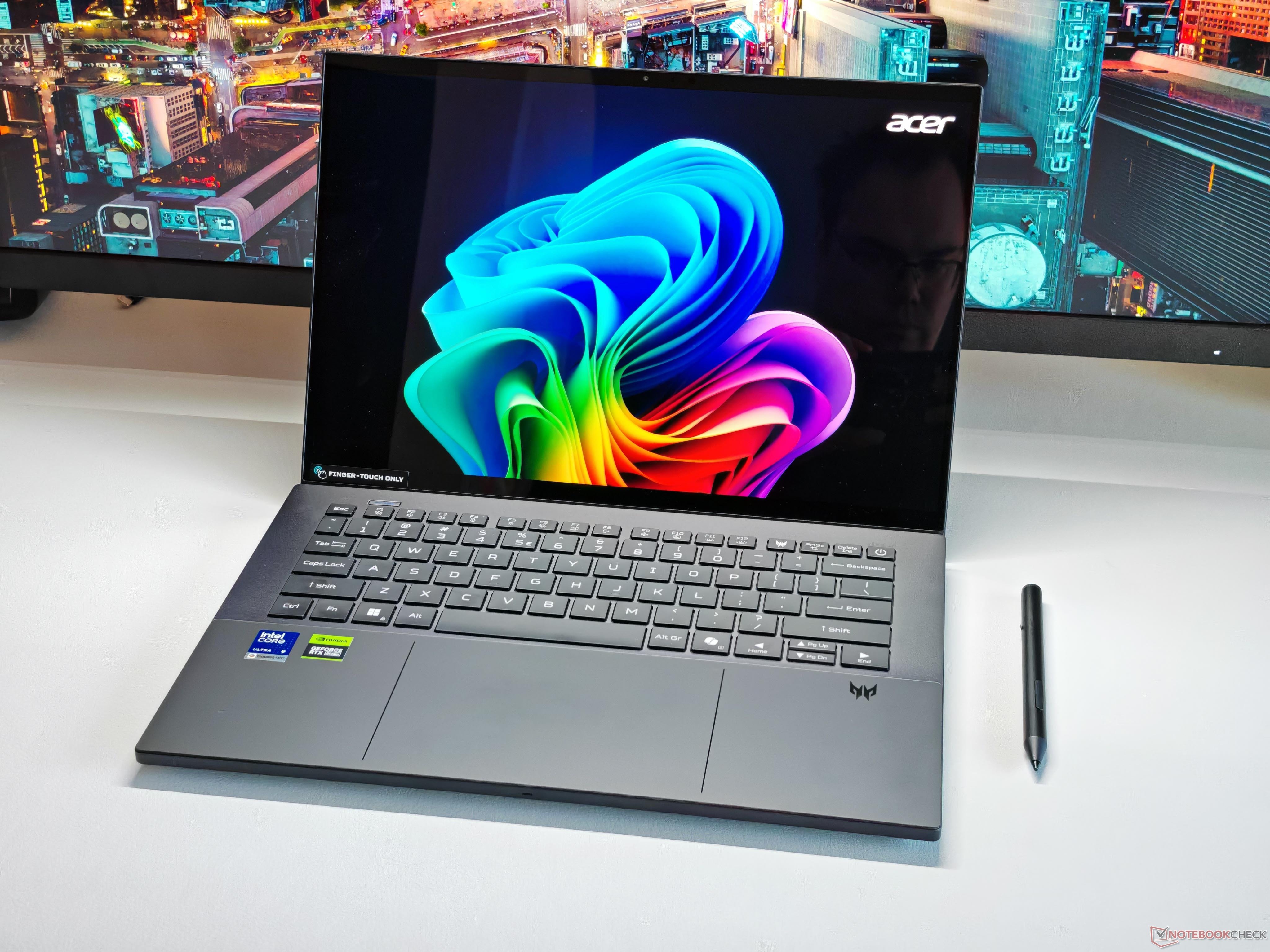
Acer's new Predator Triton 14 AI enters the premium 14-inch gaming laptop arena against established competitors, revealing critical differences in display quality, performance, and usability that potential buyers should consider.
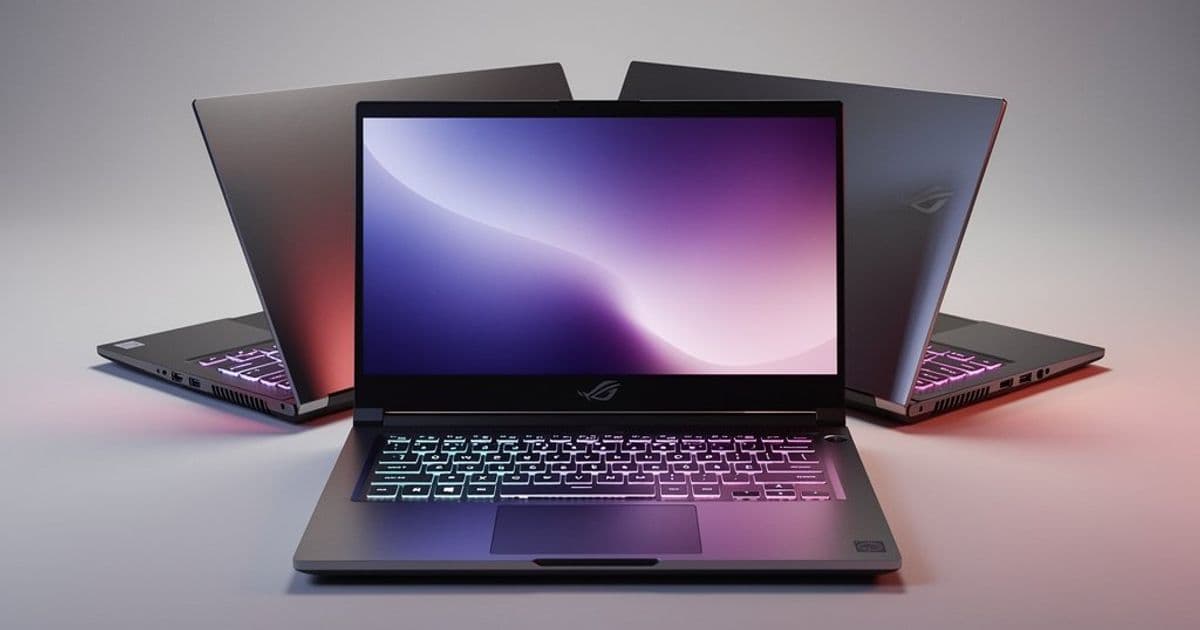
The premium 14-inch gaming laptop segment welcomes a new contender with Acer's Predator Triton 14 AI, challenging established favorites like the Asus ROG Zephyrus G14 and Razer Blade 14. All three models target users seeking maximum power in compact form factors, but significant differences emerge in display technology, processing capabilities, and practical usability that could sway purchasing decisions.
Build Quality and Physical Attributes All three laptops feature aluminum chassis with premium construction, weighing approximately 1.6kg for both the Predator Triton and Blade 14, while the Zephyrus G14 RTX 5070 configuration shaves off about 100 grams. Maintenance options remain limited across the board with soldered RAM and upgradeable SSDs. Connectivity reveals the first notable divergence: While Asus and Razer offer USB 4.0, Acer includes Thunderbolt 4 support alongside a microSD card reader (though its transfer speeds prove disappointingly slow).
Keyboard quality favors the Zephyrus G14 for comfort, followed by the Predator Triton, with Razer's Blade 14 trailing. Acer differentiates itself with a haptic touchpad supporting active stylus input and an optional touchscreen display - features absent on both competitors. This unique touch capability, however, introduces compromises we'll examine in the display section.
Display Performance Comparison All three models utilize Samsung-sourced 14-inch OLED panels with 2880x1800 resolution and 120Hz refresh rates (Zephyrus G14 and Blade 14 share identical panels). Core display characteristics remain consistent: exceptional contrast ratios, deep blacks, wide color gamuts, and rapid response times suit both gaming and creative work. Maximum HDR brightness proves modest across all units.
The Predator Triton's touch functionality introduces a visible grid pattern on brighter backgrounds, creating noticeable visual artifacts absent on the other laptops. This compromises subjective image quality significantly enough to become a potential dealbreaker for users prioritizing visual fidelity. If touch functionality isn't essential, the Asus and Razer alternatives deliver superior viewing experiences.
Processing Power and Gaming Performance

Processor configurations reveal another critical divergence. Both Asus (Ryzen AI 9 HX 370) and Razer (AMD Ryzen) models deliver substantially higher multi-core performance than Acer's Intel Lunar Lake chip, though Lunar Lake maintains strong single-core efficiency for everyday tasks. This performance gap manifests clearly in gaming scenarios where the Predator Triton fails to fully utilize its GeForce RTX 5070 Laptop GPU (110-115W TGP) compared to competitors with identical graphics hardware.
Asus extends its advantage with optional upgrades to RTX 5070 Ti or RTX 5080 configurations. All three laptops require significant thermal management when pushed to maximum performance, with noise levels reaching 55 dB(A) for Asus/Razer and peaking at 58 dB(A) for the louder Acer system - making headphones advisable during intensive gaming sessions.
Audio and Final Considerations Speaker quality rankings place the Zephyrus G14 clearly ahead, followed by Razer's Blade 14, with the Predator Triton trailing. Wireless performance proves comparable across all devices.
Conclusion: Value Assessment At approximately $2599 for its RTX 5070 configuration, the Predator Triton 14 AI commands a premium price while delivering the weakest overall package in this comparison. Its compromised display quality, inferior multi-core performance, louder cooling solution, and weaker speakers position it behind competitors offering better value. Unless the haptic touchpad or touchscreen functionality proves absolutely essential for specific workflows, the Asus ROG Zephyrus G14 and Razer Blade 14 present more compelling options in the premium 14-inch gaming category. Buyers prioritizing raw performance should consider the Zephyrus G14's higher-tier GPU options, while those valuing audio quality and balanced performance will find both competing models outperform Acer's newcomer in critical areas.
Comments
Please log in or register to join the discussion