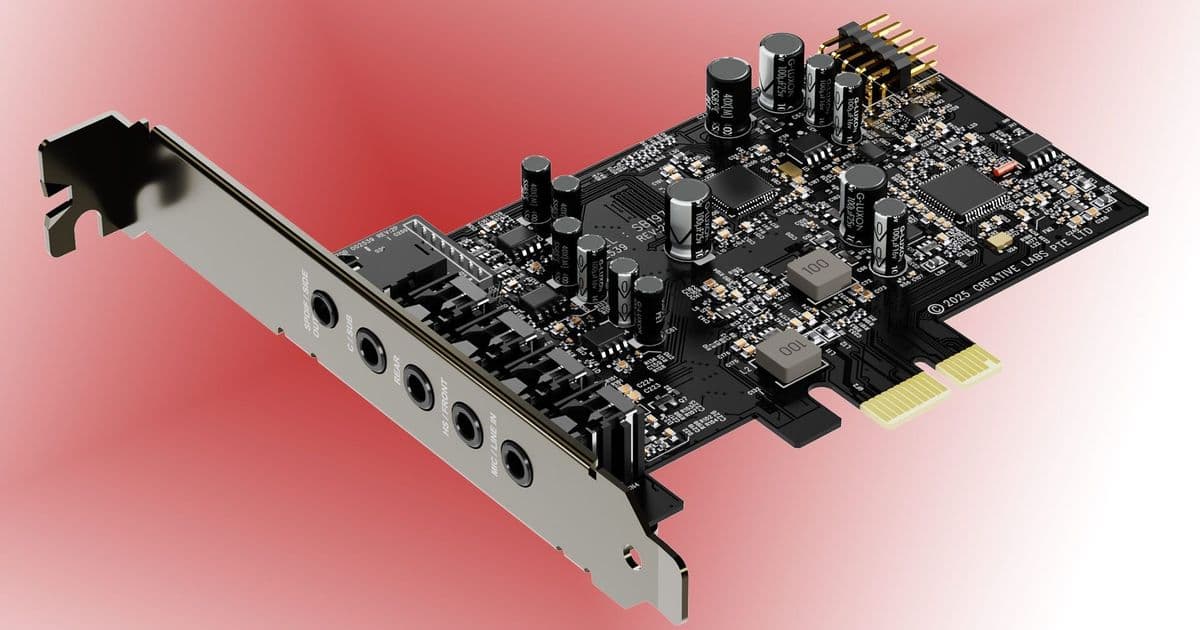
Creative launches new Sound Blaster Audigy FX Pro 7.1 PCIe sound card with 7.1 surround, 32-bit/384kHz playback, and Nexus app control, targeting DIY builders seeking better audio than onboard solutions.
Creative has launched the Sound Blaster Audigy FX Pro 7.1, a new PCIe sound card priced at $79.99 that marks the company's first major update to its Audigy lineup in five years. The card targets PC DIY builders who find their motherboard's onboard audio lacking but aren't ready to invest in high-end audiophile solutions.
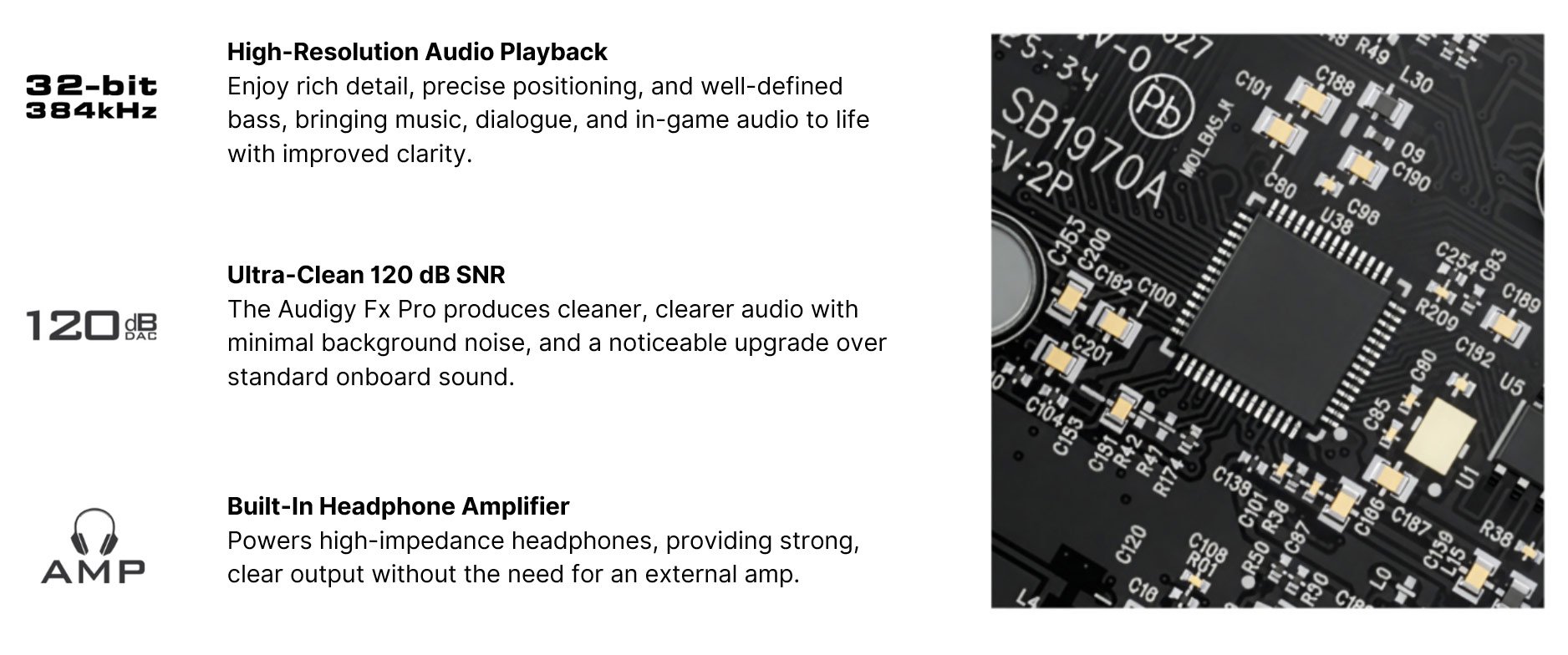
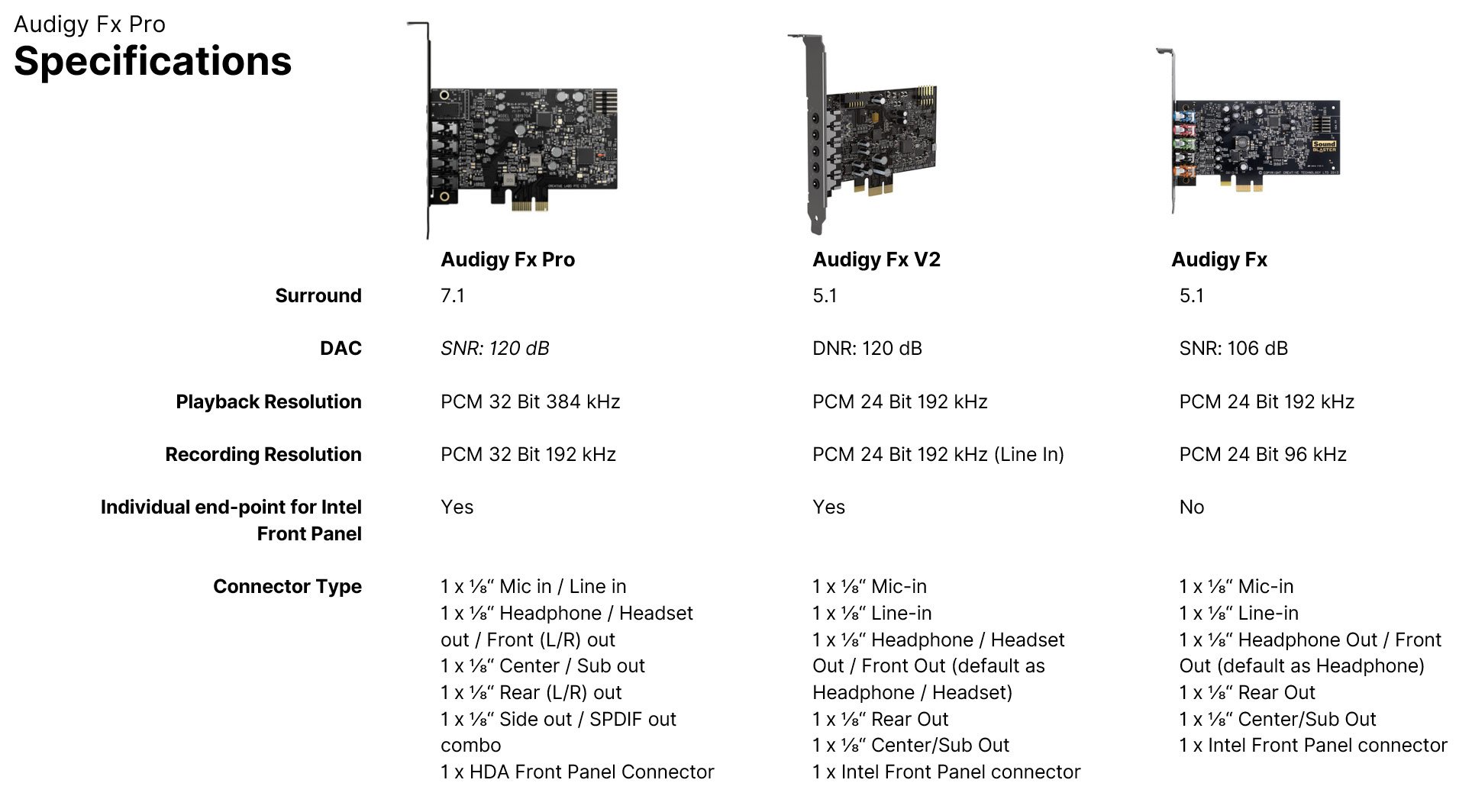
The new Audigy FX Pro 7.1 sits at the top of Creative's Audigy add-in-card line, offering several key upgrades over previous models. Most notably, it supports 7.1 surround sound, an improvement from the 5.1 limitation of current Audigy PCIe cards. The card also features high-resolution 32-bit/384 kHz playback, built-in headphone amplification, and introduces Creative's new Nexus app.
Creative positions the Nexus app as a "unified dashboard for PC audio," though the company acknowledges that many hardware makers struggle with software offerings. The app provides fine-tune audio adjustments alongside an Auto EQ feature for quick sound optimization. It also includes Sound Blaster Acoustic Engine enhancements designed to optimize audio for different content types and listening preferences.
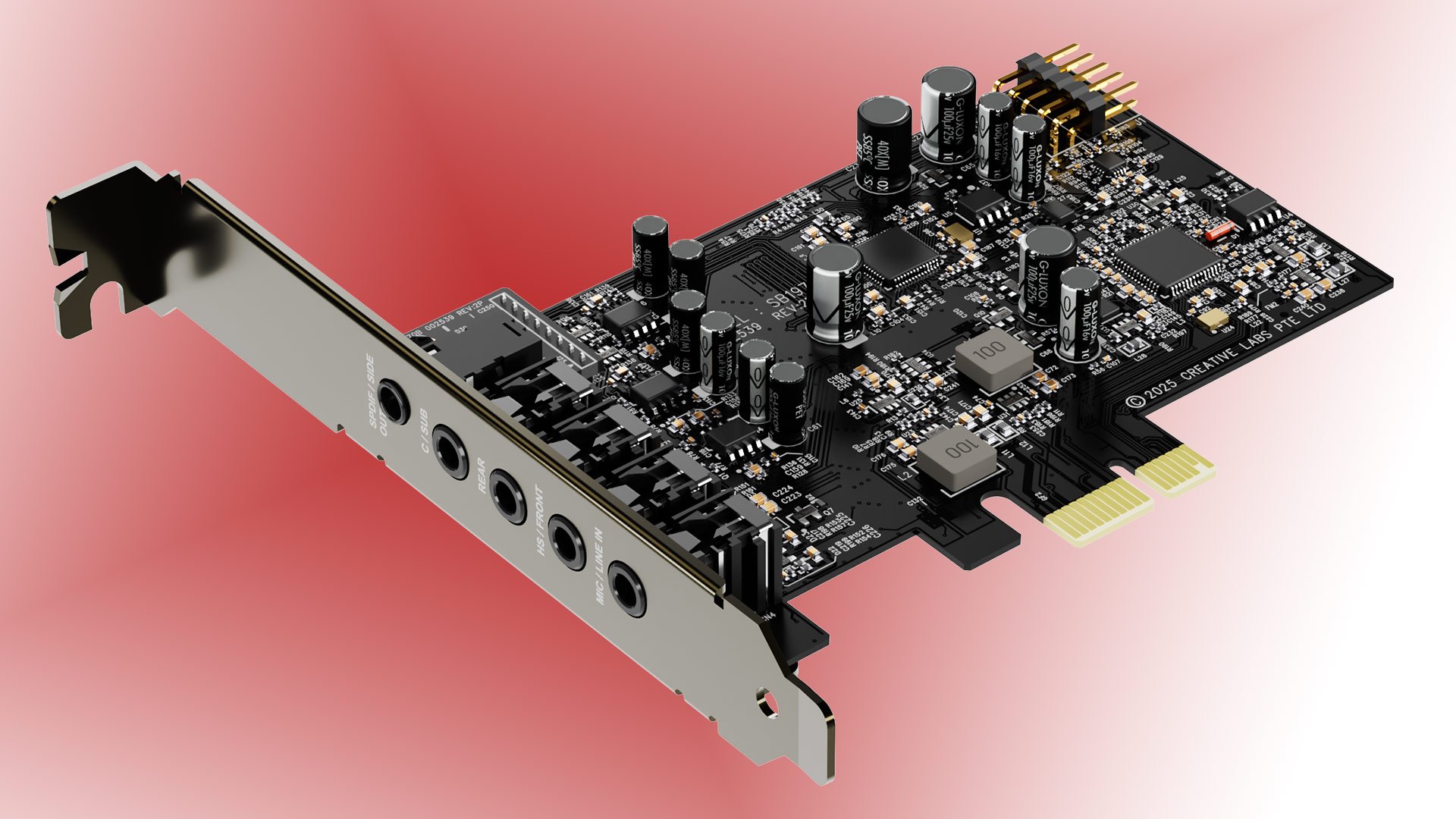
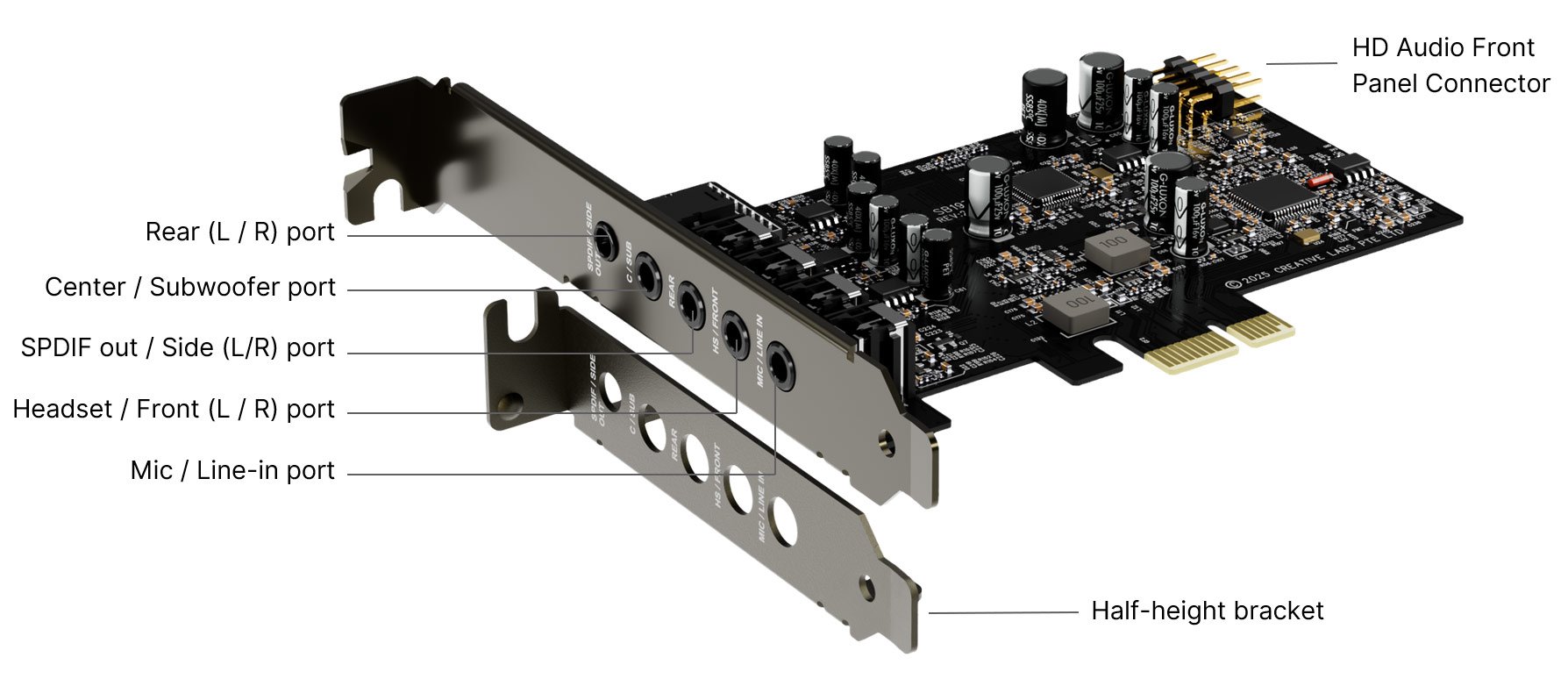
From a hardware perspective, the Audigy FX Pro 7.1 uses a low-profile design and includes a half-height bracket in the box, making it compatible with most systems that have a spare PCIe 1x to 16x slot. The card's specifications align with many high-end onboard audio solutions, such as those using the ALC1220 codec, but Creative claims its dedicated hardware delivers "clearer playback, more immersive surround, stronger headphone performance, and smarter day-to-day audio control."
The benefits of dedicated sound cards typically include improved electrical noise isolation, cleaner dedicated power regulation, higher-quality DACs and op-amps, and offloading audio processing from the CPU. These advantages become particularly noticeable in systems where electrical interference or CPU load might affect audio quality.
System requirements specify Windows PC drivers only, with the Nexus app being Windows-exclusive as well. This limits the card's appeal for users of other operating systems, though Windows remains the dominant platform for PC gaming and general use.
Creative notes that "audio remains one of the most overlooked upgrades" in PC building, a sentiment echoed by many enthusiasts who have experienced the difference between onboard and dedicated audio solutions. The company's claim suggests that even modest investments in audio hardware can yield noticeable improvements in the listening experience.
The $79.99 price point positions the Audigy FX Pro 7.1 as an accessible upgrade option rather than a premium audiophile product. This pricing strategy targets the mainstream market of PC builders and upgraders who want better audio without the complexity or cost of high-end solutions.
While the card's specifications match many onboard solutions on paper, the real-world performance differences often come down to implementation details like shielding, power delivery, and component quality. Dedicated sound cards can provide cleaner audio paths and better isolation from the electrical noise generated by other components in a PC.
The timing of this release is notable given that many modern motherboards already include sophisticated audio solutions. However, Creative's update suggests there remains demand for dedicated audio hardware, particularly among users who prioritize audio quality or need specific features like 7.1 surround sound support.
For PC builders considering this upgrade, the decision often comes down to whether the specific benefits of dedicated audio hardware justify the cost and slot usage. Users with high-impedance headphones, those running systems in electrically noisy environments, or anyone requiring advanced audio features may find the investment worthwhile.
The Audigy FX Pro 7.1's combination of 7.1 surround support, high-resolution playback, and the new Nexus app interface represents Creative's attempt to modernize its Audigy lineup while maintaining its position in the mainstream audio market. Whether this update will convince users to choose dedicated audio over increasingly capable onboard solutions remains to be seen, though the five-year gap since the last major Audigy update suggests there's pent-up demand for refreshed hardware.
Comments
Please log in or register to join the discussion