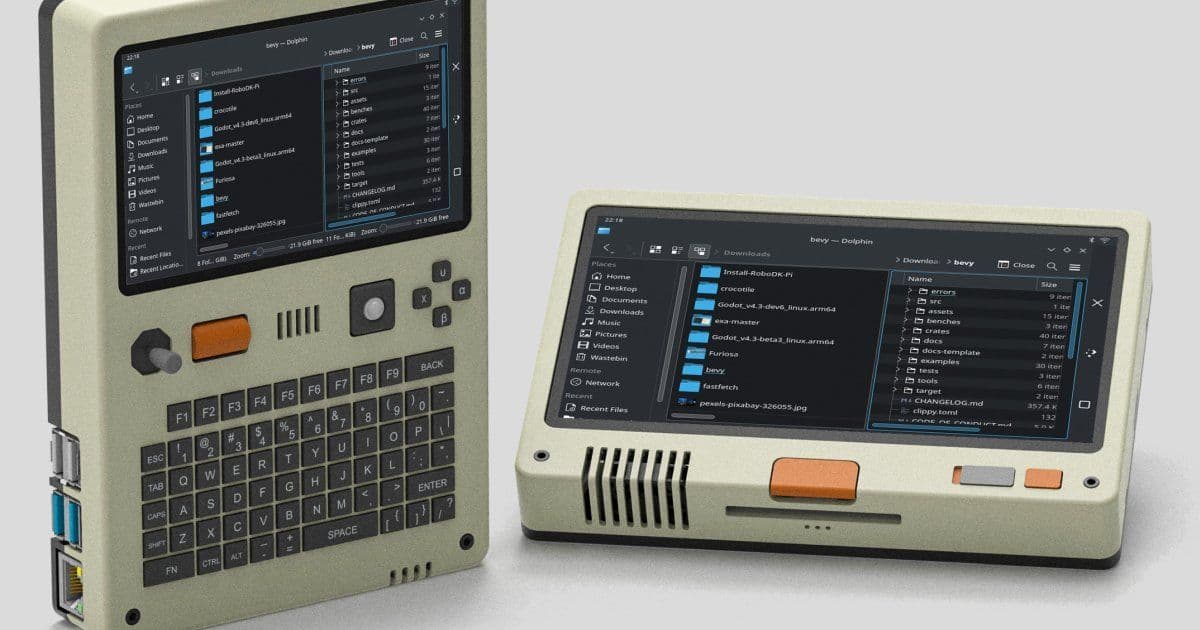
Soulsircuit's Pilet handheld computers will now use Raspberry Pi CM5 instead of Pi 5 Model B, angering backers who expected compatibility with their existing hardware.
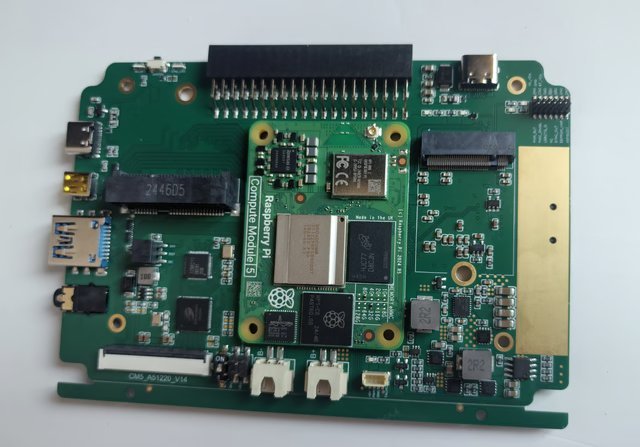
More than a year after launching a crowdfunding campaign for a pair of Raspberry Pi-powered handheld computers, the folks at Soulsircuit have announced a major change… and backers aren't particularly pleased. The Pilet 5 and Pilet 7 handhelds were originally positioned as handheld computers that would use a credit card-sized Raspberry Pi 5 Model B computer for brains. But this week Soulscircuit announced that the version that eventually ships to backers will be designed for a Raspberry Pi Compute Module 5 instead.
And while that might make sense from a design perspective… it's not what backers signed up for. Commenters are not amused.
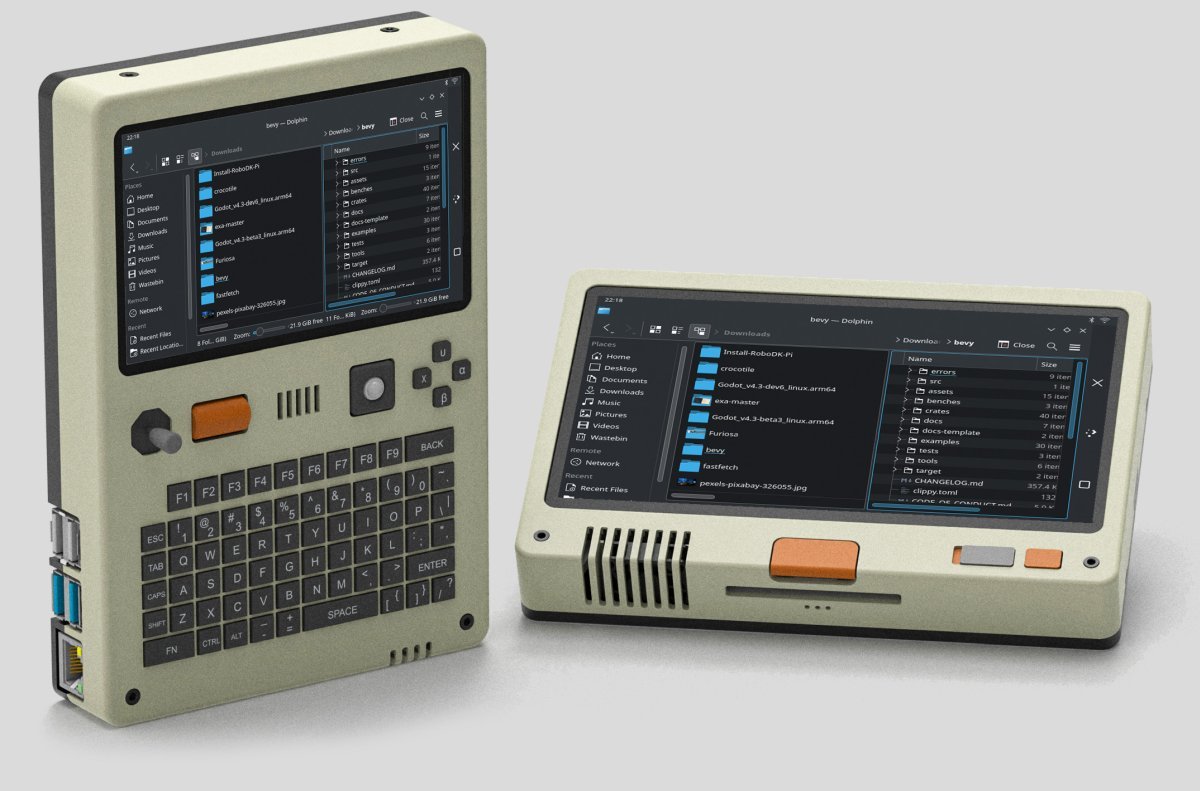
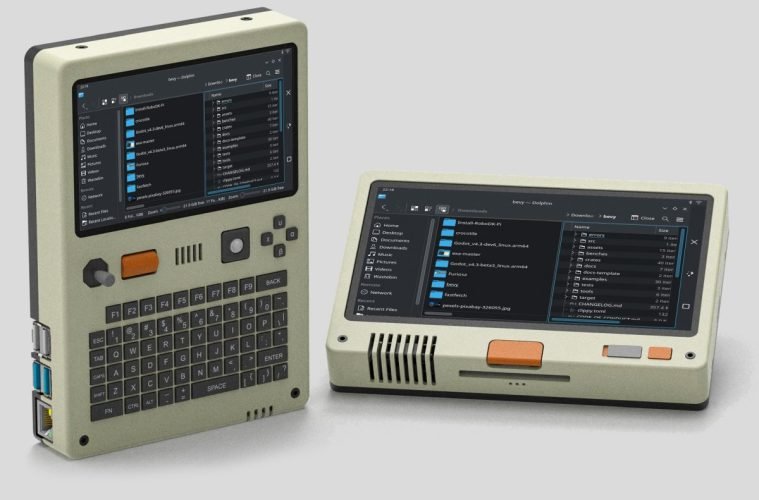
Here's the problem: the Pilet handhelds don't come with a Raspberry Pi. You're supposed to bring your own. So if you backed the project thinking you'd be able to use it with a Raspberry Pi computer that you already have, now Soulscircuit says it'll ship you a handheld designed for use with a completely different computer.
And if you don't already have a Raspberry Pi Compute Module lying around, buying a new one could get expensive – after Raspberry Pi's latest RAM-related price hikes, a top-of-the-line Raspberry Pi CM5 could set you back as much as $330 (although entry-level models sell for under $68).
For its part, Soulscircuit says it's "been developing a version of the pilet based on the Compute Module 5" for the past year, "in parallel with the Raspberry Pi 5 design," and ultimately decided that this model was more practical because it "allows us to integrate all major components, including display, audio, NVMe, and battery onto a single mainboard" for better reliability and durability and easier assembly.
All of that may very well be true. But it's also true that nobody who backed the project expected that when they pledged money. Some commenters complain that they already purchased a Raspberry Pi 5 specifically for use with a Pilet 5 or Pilet 7. Others are asking for refunds.
The move from a Raspberry Pi 5-based handheld to one with a custom Printed Circuit Board designed for a Raspberry Pi CM5 also brings some changes to the port layout. Pictures shared by Soulscircuit appear to show only a single USB Type-A port and no Ethernet port, for example. It's unclear what other changes may have been made.
The original plan for the Pilet 5 had been to release a handheld computer with a 5 inch, 1280 x 800 pixel IPS LCD display and integrated keyboard, while the Pilet 7 would have a 7 inch, 1280 x 800 pixel screen and a modular design that would allow you to replace the keyboard with a gamepad or other accessories.
Both models originally had an estimated ship date of July, 2025, although Soulsircuit said at the time that there was a chance that "unforeseen issues" could lead to delays. Looks like that wasn't all they led to.
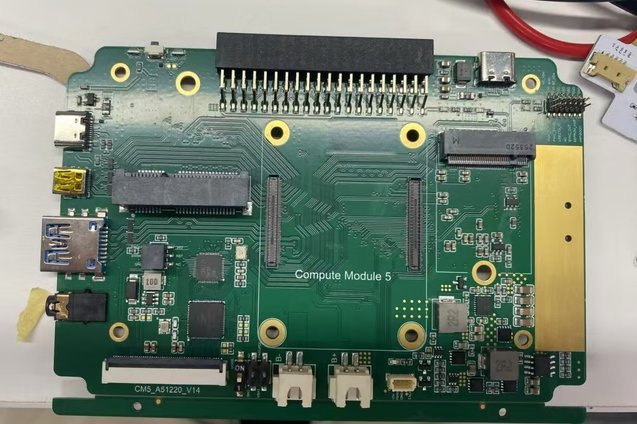
This situation highlights a common challenge in crowdfunding campaigns: the tension between evolving product designs and backer expectations. When Soulsircuit launched its campaign, backers made decisions based on specific technical specifications. The Raspberry Pi 5 Model B is a widely available, relatively affordable single-board computer that many enthusiasts already own. The Compute Module 5, while more powerful in some respects, is a different product category entirely – designed for embedded applications rather than general computing.
The Compute Module form factor does offer advantages for handheld device design. By integrating the Pi's core components onto a smaller module, manufacturers can create more compact and efficient designs. The CM5's SODIMM-like form factor allows for tighter integration with other components, potentially reducing the overall size of the device and simplifying the manufacturing process.
However, this technical advantage comes at a significant cost to backers who made purchasing decisions based on the original specifications. The Raspberry Pi 5 Model B currently starts at around $60, while the Compute Module 5 with 8GB of RAM costs $68, and the 32GB version costs $110. The high-end 32GB CM5 with WiFi and Bluetooth jumps to $330 – a substantial increase that many backers weren't prepared for.
This isn't the first time a crowdfunded hardware project has faced backlash over specification changes. Similar situations have occurred with various gaming handhelds and single-board computer projects, where design changes mid-development have led to disappointment and refund requests. The fundamental issue is one of trust: backers invest money based on promised specifications, and significant changes can feel like a breach of that trust, even when the changes might technically improve the product.
The Soulsircuit team now faces a difficult situation. They can either stick with the CM5 design and potentially face a wave of refund requests and damaged reputation, or they can revert to the original Pi 5 Model B design and potentially compromise on the device's reliability and manufacturing efficiency. Some backers have suggested offering both versions as options, though this would complicate manufacturing and potentially delay the project further.
For the broader crowdfunding community, this situation serves as a reminder of the risks inherent in backing hardware projects. While crowdfunding platforms like Kickstarter and Indiegogo have enabled many innovative products to reach market, they also involve a degree of uncertainty. Projects can face delays, specification changes, or even complete failure – and backers need to be prepared for these possibilities.
The Pilet case also raises questions about how crowdfunding campaigns should handle significant design changes. Should projects be required to offer refunds when core specifications change? Should there be clearer communication about the possibility of such changes from the outset? These are questions that both crowdfunding platforms and project creators will need to grapple with as the industry continues to evolve.
As of now, Soulsircuit hasn't announced specific plans for addressing backer concerns beyond explaining the technical rationale for the change. The company's response will likely determine whether this becomes a cautionary tale about crowdfunding gone wrong or a manageable hiccup in an otherwise successful product launch.
Comments
Please log in or register to join the discussion