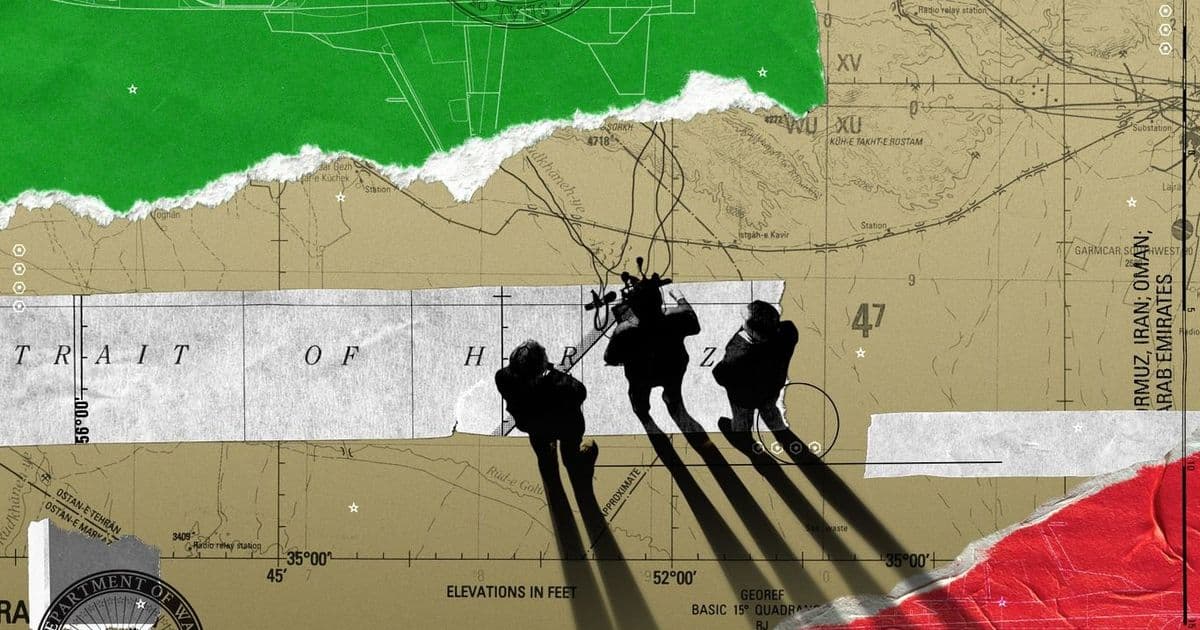
Congressional Democrats are regrouping after failing to pass war powers legislation limiting Trump's authority to strike Iran, exploring new legislative and oversight approaches to check executive military action.
Congressional Democrats are recalibrating their strategy after a failed attempt to pass legislation restricting President Trump's authority to take military action against Iran, according to sources familiar with internal party discussions.
The Failed Vote
The most recent effort came when Senator Tim Kaine introduced a war powers resolution that would have required congressional approval before any offensive military action against Iran. The measure fell short of the 60-vote threshold needed to advance, with several Democrats joining Republicans in opposition.
Key opponents argued the resolution was too broad and could inadvertently limit the president's ability to respond to genuine threats. Senator Chris Coons, a Democrat from Delaware, expressed concerns that the language could hamper diplomatic efforts and military readiness.
Strategic Reassessment
Following the defeat, Democratic leadership is exploring alternative approaches that might garner broader support. Sources indicate three main tracks are under consideration:
- Targeted sanctions legislation focusing on specific Iranian entities rather than broad military restrictions
- Enhanced oversight mechanisms including more frequent briefings and reporting requirements
- Bipartisan compromise measures that address Republican concerns while maintaining congressional authority
The Political Calculus
The timing of this strategic shift is significant. With tensions remaining high in the Middle East and the 2020 election approaching, Democrats face pressure to demonstrate they can effectively check executive power while avoiding accusations of being weak on national security.
Representative Elissa Slotkin, a former CIA analyst, has emerged as a key voice in crafting a new approach. She's been working with both parties to develop legislation that would require the administration to provide more detailed justification for any military action against Iran.
What's Next
Democratic leaders are expected to unveil their revised strategy in the coming weeks. The new approach will likely emphasize:
- Incremental steps rather than sweeping restrictions
- Bipartisan appeal to avoid purely partisan votes
- Focus on transparency rather than direct limitations on presidential authority
The failure of the initial war powers resolution highlights the ongoing tension between congressional authority and executive power in matters of military action. As Democrats regroup, the question remains whether they can craft legislation that satisfies both their base's desire for restraint and the practical concerns of moderate members.
Historical Context
This isn't the first time Congress has grappled with war powers in relation to Iran. Similar debates occurred during the Obama administration regarding potential action in Syria, and during the Bush administration concerning Iraq. The current situation reflects a recurring pattern where legislative attempts to constrain military action often face significant political hurdles.
Expert Analysis
Constitutional scholars note that while the War Powers Resolution of 1973 gives Congress the authority to limit presidential military action, the practical implementation has proven challenging. The executive branch has historically pushed back against what it views as congressional overreach into commander-in-chief prerogatives.
The current debate also reflects broader questions about the balance of power in the post-9/11 era, where successive administrations have relied on broad interpretations of existing authorizations for use of military force.
Looking Ahead
As Democrats refine their approach, they'll need to navigate several challenges:
- Building sufficient bipartisan support to overcome procedural hurdles
- Addressing legitimate security concerns while maintaining congressional oversight
- Communicating their position effectively to both their base and moderate voters
The outcome of this strategic pivot could have significant implications not just for U.S.-Iran relations, but for the broader question of congressional authority over military action in the years to come.
Comments
Please log in or register to join the discussion