
Ohio’s governor has ordered a halt to new sales‑tax exemptions for data‑center projects after a nonprofit analysis showed the subsidies cost the state over $1.5 billion in 2025, far exceeding original forecasts. Existing exemptions remain in place while the Tax Credit Authority reviews the program’s fiscal impact and transparency requirements.
Ohio Pauses Data‑Center Tax Credits After $1.5 Billion Revenue Loss
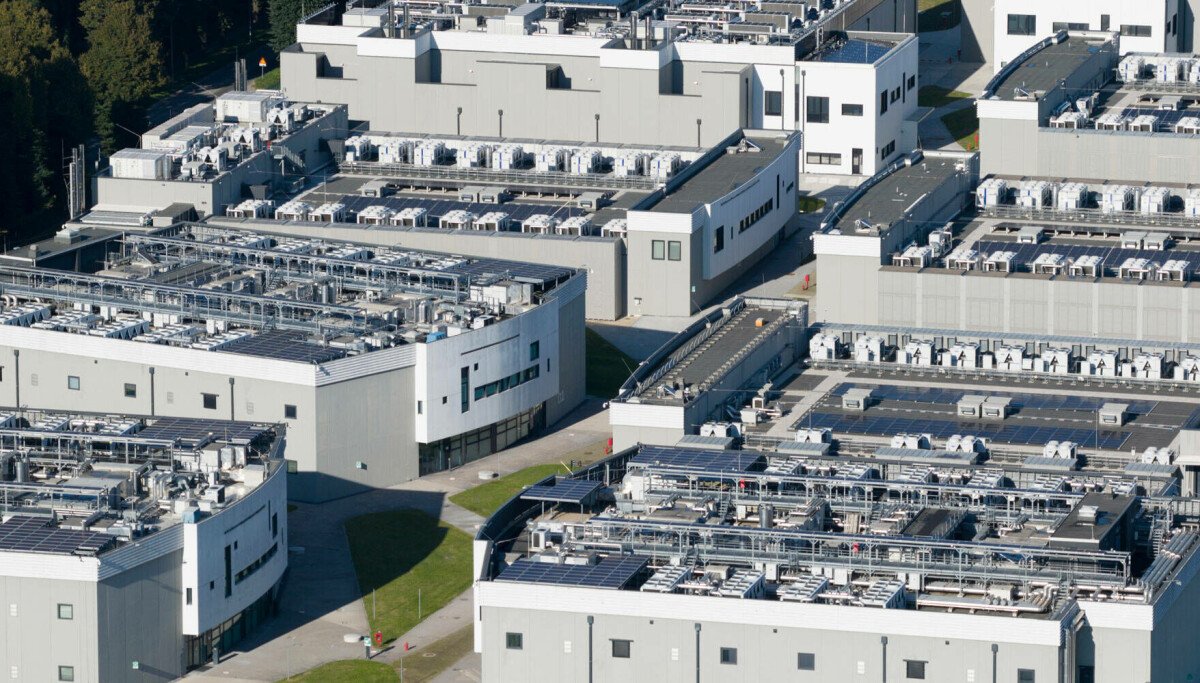
Regulatory action – Governor Mike DeWine announced that Ohio’s Tax Credit Authority will no longer consider new applications for the state’s data‑center sales‑tax exemption. The pause applies only to future requests; projects that received approvals before the announcement will continue to benefit from the credit.
What it requires – The exemption currently covers sales tax on construction materials, server racks, cooling equipment, and related infrastructure. Under the suspension, any developer seeking a new data‑center site must pay the full state sales tax on those items unless a separate legislative amendment is passed. The governor also directed the Tax Credit Authority to produce a detailed cost‑benefit report within 90 days, outlining:
- Actual revenue loss – A line‑item accounting of taxes foregone in fiscal year 2025, broken down by material category and project.
- Job creation metrics – Verification of the number of permanent and construction‑phase positions attributed to each exempted project.
- Energy‑use disclosures – Estimates of megawatt demand for each facility, to support pending constitutional amendment proposals that would bar projects exceeding 25 MW.
- Transparency standards – Adoption of GAAP‑consistent reporting so that future exemptions can be audited by the state auditor’s office.
Compliance timeline – The Tax Credit Authority must:
- By 30 days: Publish a provisional list of all data‑center projects that have received the exemption, including the amount of tax relief granted.
- Within 90 days: Deliver the comprehensive cost‑benefit analysis to the governor’s office and the Ohio General Assembly.
- Within 180 days: Propose revised statutory language that ties any future exemption to measurable economic outcomes (e.g., a minimum of 1,000 new jobs per $100 million of tax relief) and requires annual public reporting.
Context and implications
Good Jobs First, a nonprofit research organization, estimated that Ohio’s data‑center tax breaks cost the state $1.5 billion in 2025, roughly eleven times the $136 million revenue forecast published by the state budget office. The figure represents a sharp increase from the $555 million loss reported for 2024, which itself was four times the prior estimate.
Ohio now joins a small group of states—Virginia, Texas, and Georgia—each reporting annual subsidy costs exceeding $1 billion. Those states have faced similar scrutiny over the lack of transparency in their exemption programs. Indiana, for example, recently disclosed that its data‑center tax breaks cost $655 million annually, with $561 million flowing directly to Amazon’s operations.
The pause reflects growing political pressure. A citizen group, Ohio Residents for Responsible Development, has gathered more than 25,000 signatures calling for a constitutional amendment that would prohibit data‑centers consuming more than 25 MW of power. Similar ballot initiatives are emerging in Nevada, California, and Maryland.
What businesses should do now
- Review existing contracts – Companies with approved exemptions should verify that their tax‑credit status remains unchanged and that any future capital expenditures are not reliant on new exemptions.
- Prepare for full tax liability – Projects in the pipeline should model cash‑flow impacts assuming the full state sales tax will apply to all equipment and construction purchases.
- Engage with policymakers – Stakeholders can submit comments to the Tax Credit Authority during the 90‑day review period, proposing alternative incentive structures (e.g., performance‑based rebates) that satisfy both fiscal responsibility and economic development goals.
- Monitor amendment proposals – Organizations should track the progress of the constitutional amendment effort, as a successful ban on high‑power facilities could affect site selection and design decisions.
Looking ahead
The Ohio pause is a clear signal that state governments are re‑evaluating the balance between attracting high‑tech investment and protecting tax bases. By demanding detailed reporting and tying future incentives to verifiable outcomes, Ohio aims to create a more accountable framework for data‑center subsidies. Companies that adapt early to the new transparency requirements will be better positioned to secure any future incentives and avoid unexpected tax exposures.
For further reading on state‑level data‑center incentives and the GAAP compliance concerns raised by Good Jobs First, see the organization’s recent report on state tax exemption accounting practices.
Comments
Please log in or register to join the discussion