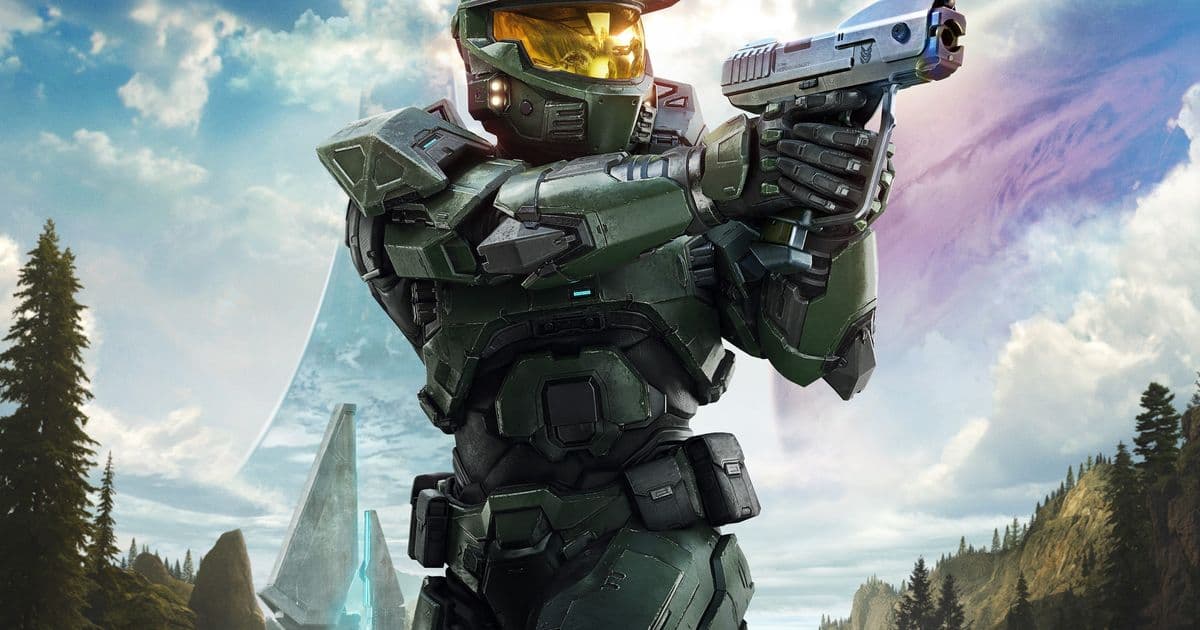
Xbox is making Gears of War: E-Day and Clockwork Revolution console exclusives again, and Digital Foundry argues the math doesn't add up. With a small install base and most players on Game Pass, the outlet fears AAA budgets and the studios behind them are the ones at risk.
Xbox spent the back half of Phil Spencer's run dismantling the idea that its games belonged only on its own hardware. Halo on PlayStation, Forza on PS5, Indiana Jones everywhere. The logic was straightforward: Xbox owns Bethesda and Activision/Blizzard, which makes it one of the biggest publishers in the business, and publishers sell to everyone. Then new CEO Asha Sharma walked onstage at the Xbox Games Showcase 2026 and announced that Gears of War: E-Day and Clockwork Revolution would be Xbox console exclusives. The reversal lit up the internet, and not everyone was clapping.
What's actually changing
For years the direction was one way: toward platform-agnostic publishing. The new policy carves out specific marquee titles and locks them to Xbox Series consoles and PC, keeping them off PlayStation 5 and Nintendo Switch 2. The hardcore Xbox crowd read this as the brand coming home, finally building a reason to own the box instead of just subscribing to the catalog. The press reaction was more divided, and Digital Foundry landed firmly on the skeptical side.
DF's Oliver Mackenzie expects the experiment to be short-lived. His core argument is financial. A game like Gears of War: E-Day carries an enormous production budget, and an Xbox-only release caps how many copies it can sell. Xbox's install base is small next to the PS5 and the Switch 2, so the addressable market shrinks the moment you fence the game off. Worse, a large share of the players who would buy it are already on Game Pass, meaning they play it at no incremental cost. Exclusivity plus a subscription model squeezes the revenue from both ends.
How it compares to the publisher strategy it replaces
The old approach treated Xbox like a Sega after the Dreamcast, a software house selling to whoever holds a controller. That move made sense given the scale of Microsoft's portfolio. John Linneman shares Mackenzie's worry and adds a sharper point: the studios eat the risk. If E-Day underperforms relative to what a multiplatform launch would have earned, The Coalition is the one that pays, either by cutting budgets, cutting quality, or cutting headcount.
That fear is not abstract. Microsoft has already closed studios and let go of thousands of people across its gaming division. Sharma recently circulated an internal memo to Xbox staff laying out a tight financial picture, which makes the timing of a strategy that deliberately limits sales upside look risky.
{{IMAGE:2}}
Linneman's other criticism is about sequencing. He argues Xbox should have held this card for the next-generation hardware, reportedly codenamed Helix, rather than spending it on a six-year-old console that now costs more than it did at launch. His reasoning: the people who would respond to exclusives are already on Xbox and were never leaving. Reinstating exclusivity on aging hardware won't, in his words, move the needle, because there's no new box to sell alongside the new policy.
The counterargument
The skepticism holds up on a spreadsheet, but consoles have never sold on spreadsheets alone. People buy hardware to play specific games. Every console generation launches with exclusives precisely because a great game is the most reliable hardware salesman there is. Microsoft's stated motive may be brand identity, rebuilding a reason for Xbox to exist as a platform rather than a launcher, and a strong exclusive can do real work toward that.
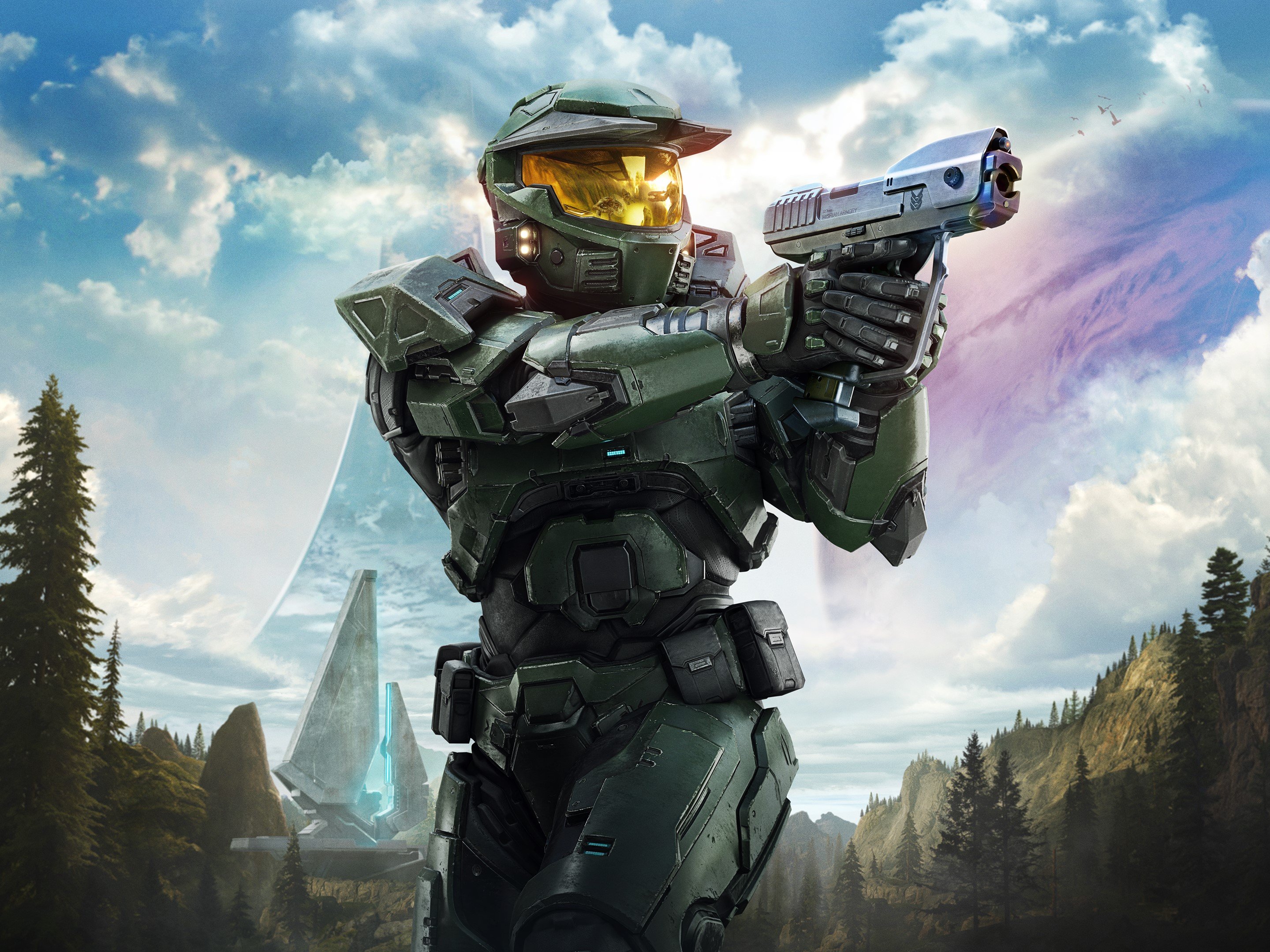
The inverse case is already in motion. Halo Campaign Evolved arrives July 28 on Xbox Series consoles, PS5, and PC. That release puts one of the franchises that defined the Xbox brand in front of millions of PlayStation owners who never had access to it. Some of those players will get hooked, and the back catalog of Halo titles lives on Xbox. Exposure on a rival platform can funnel buyers back toward yours, which is the opposite logic from exclusivity but aimed at the same goal.
Who this is for, and what to watch
For buyers weighing a Series S or Series X, the practical question is whether Microsoft can sustain exclusives long enough to matter, or whether the financial pressure DF describes forces another reversal in a year. The new leadership appears to be treating the job seriously, and there are signs of more moves coming. The honest answer is that nobody knows yet whether locking flagship games to a smaller install base strengthens the brand or starves the studios making those games. Both outcomes are live, and the people inside Xbox Game Studios are the ones who find out first.
Comments
Please log in or register to join the discussion