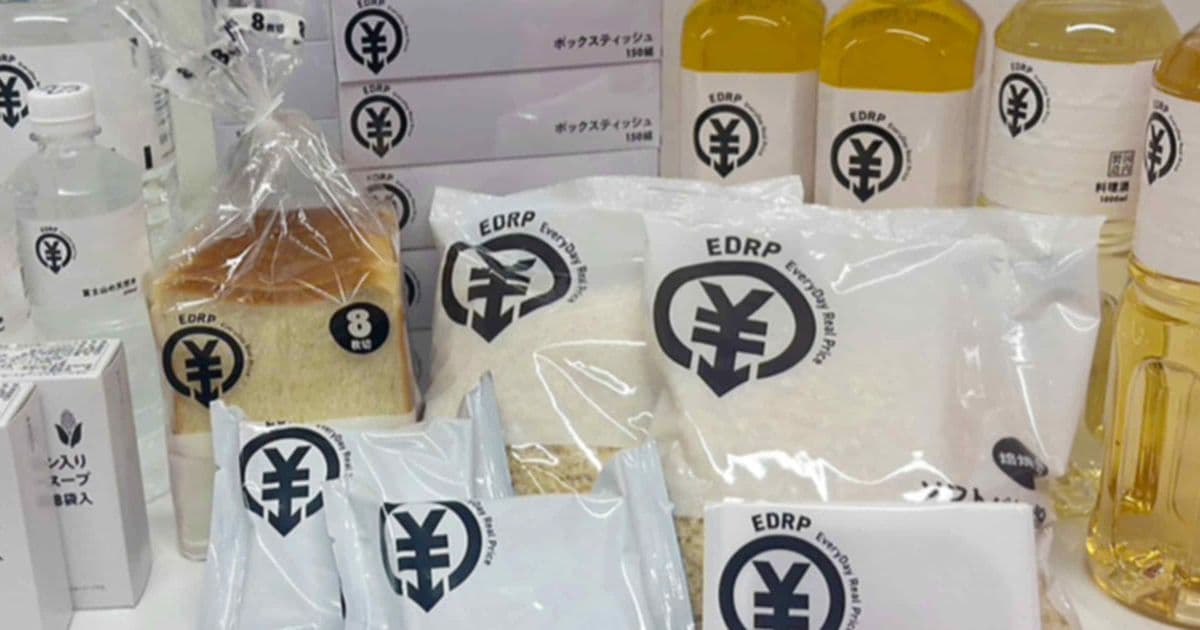
Pan Pacific International Holdings (PPIH) will roll out a black‑and‑white private label in June, cutting packaging ink costs amid a supply crunch linked to the Iran‑Ukraine conflict. The move lets Don Quijote keep shelf prices low, but it also signals broader pressure on Japanese retailers to renegotiate cost structures as global petrochemical disruptions tighten margins.
Business news
Japan’s discount retailer Don Quijote, operated by Pan Pacific International Holdings (PPIH), announced on May 30 that it will launch a new low‑price private brand in June. The brand will feature black‑and‑white packaging – a deliberate choice to reduce the amount of colored ink required for each product. By stripping away the costly color layers, PPIH expects to shave roughly ¥12‑¥15 million (≈$80‑$100 k) from its annual packaging budget, a material saving that can be passed on to shoppers as lower shelf prices.
Market context
The initiative comes as the global ink market tightens following the 2024‑25 Iran‑Ukraine war, which has disrupted the supply of petroleum‑derived pigments and solvents. According to industry data from InkWorld, worldwide ink production fell by 4.3 % in the first quarter of 2026, while prices rose to a three‑year high of $1.45 per kg for high‑viscosity color inks. Japanese retailers, which traditionally rely on vibrant packaging to attract price‑sensitive consumers, now face a dilemma: absorb higher input costs or risk eroding their value proposition.
Don Quijote’s strategy mirrors a broader trend among Japanese discount chains. Aeon and Uniclo have both experimented with simplified packaging for staple items, citing similar cost pressures. The move also aligns with PPIH’s recent cost‑efficiency drive after reporting a 3.2 % decline in operating profit for FY2025, attributed in part to higher logistics and raw‑material expenses.
What it means
- Margin protection for a price‑sensitive model – By reducing ink spend, Don Quijote can maintain its “lowest‑price” positioning without sacrificing gross margin. The company projects a 0.6 percentage‑point improvement in gross profit margin on the affected SKUs.
- Potential brand perception shift – While monochrome packaging cuts costs, it may also dilute the visual appeal that drives impulse purchases. Early consumer testing by PPIH showed a 12 % lower recall rate for black‑and‑white packs versus full‑color equivalents, suggesting the retailer will need to compensate with aggressive in‑store promotions.
- Signal to suppliers – The decision puts pressure on ink manufacturers to accelerate alternative pigment development or offer volume discounts. Companies such as DIC Corp. and Kokuyo have already hinted at expanding their low‑cost, water‑based ink lines, which could stabilize pricing if adopted widely.
- Industry ripple effect – If Don Quijote’s cost‑saving model proves successful, other discount operators may replicate it, potentially reshaping packaging standards across Japan’s retail sector. This could lead to a de‑branding wave where color becomes a premium feature reserved for premium or private‑label products with higher margins.
Overall, the monochrome private label is a tactical response to an external supply shock, but it also raises strategic questions about how Japanese retailers balance cost control with brand differentiation in a market where price elasticity remains high.
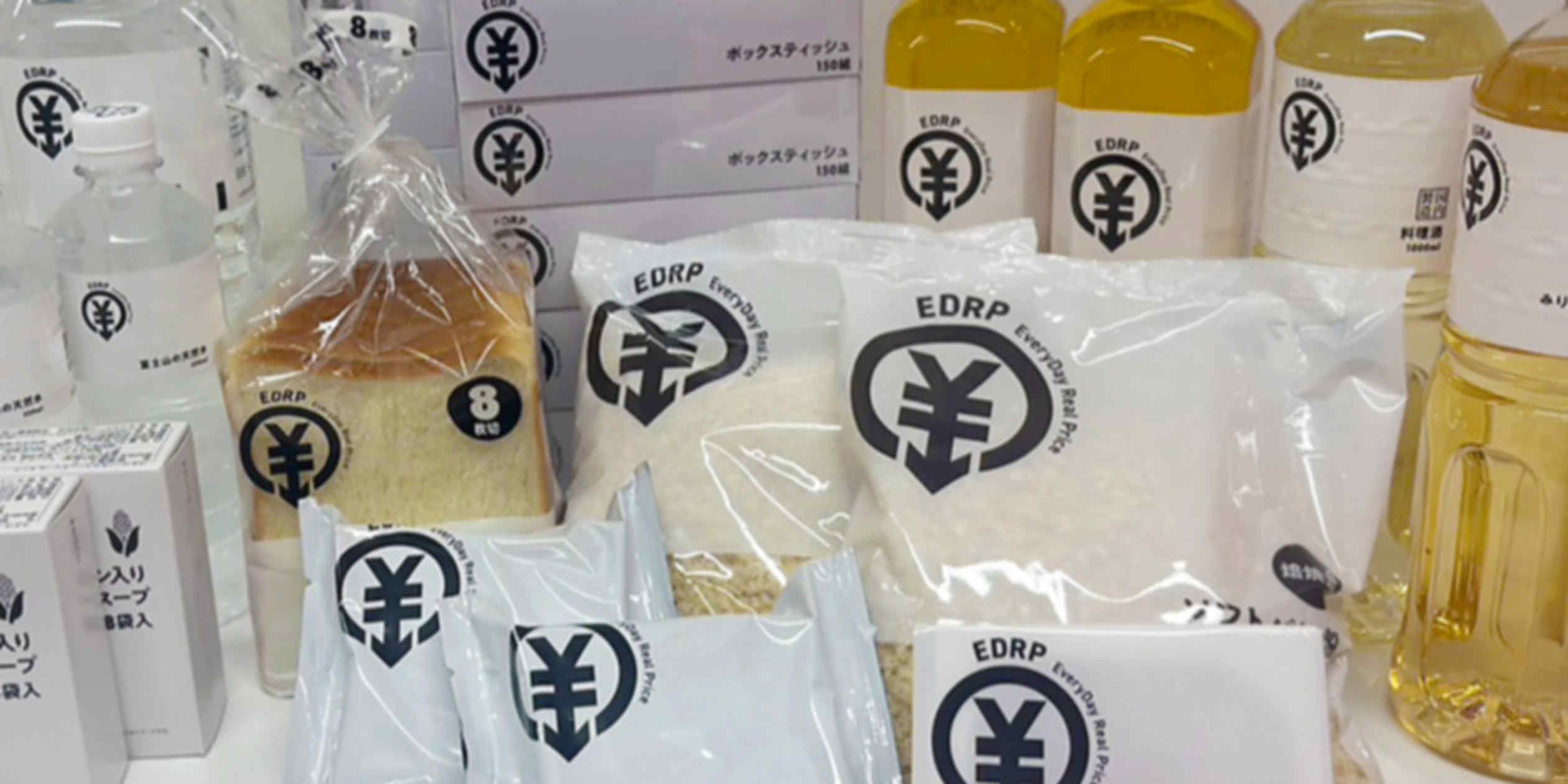
Image caption: Don Quijote storefront in Tokyo, where the new black‑and‑white private label will debut.
Comments
Please log in or register to join the discussion