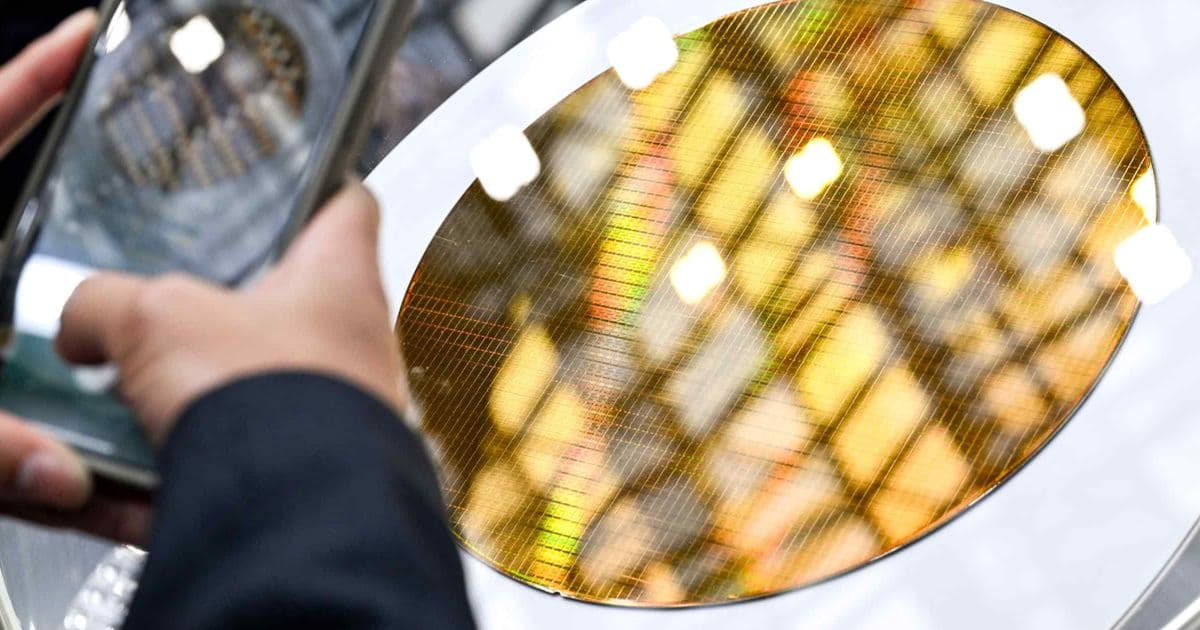
Global DRAM shortage will push memory costs to 40% of low-end smartphone manufacturing by mid-2026, up from 20% currently, as supply meets only 60% of demand through 2027.
The global DRAM supply chain is facing a severe crisis that will dramatically reshape the smartphone industry, with memory costs set to double in low-end devices and supply meeting only 60% of demand through 2027, according to a report from Nikkei Asia.
The Perfect Storm Hitting Memory Markets
The shortage stems from multiple converging factors that have created what industry analysts call a "perfect storm" in the semiconductor memory market. Production capacity constraints, geopolitical tensions, and surging AI-driven demand have combined to create unprecedented pressure on DRAM supplies.
Key factors driving the shortage:
- Production constraints: Major manufacturers like Samsung, SK Hynix, and Micron are operating near full capacity but cannot expand quickly enough to meet demand
- Geopolitical tensions: Trade restrictions and export controls have disrupted global supply chains
- AI demand surge: Data centers and AI applications are consuming massive amounts of high-bandwidth memory
- Consumer electronics boom: Smartphones, laptops, and IoT devices continue to drive baseline demand
Smartphone Manufacturing Costs to Double
Perhaps the most striking revelation is how this shortage will impact smartphone manufacturing economics. Memory currently accounts for approximately 20% of the bill of materials for low-end smartphones. By mid-2026, this figure is projected to reach 40%, effectively doubling the memory component's contribution to total manufacturing costs.
This cost increase will have several cascading effects:
Device pricing pressure: Manufacturers will face difficult decisions about whether to absorb costs or pass them to consumers Product differentiation: Premium devices with more memory may see even greater price gaps from budget models Market segmentation: The low-end smartphone market may contract as manufacturers struggle to maintain profitability
Timeline of the Crisis
The shortage is expected to persist through 2027, with several key phases:
2026 (Mid-year): Memory costs reach 40% of low-end smartphone manufacturing 2026-2027: Supply meets only 60% of total demand across all sectors 2027+: New production facilities come online, but demand continues to outpace supply
Industry Response and Adaptation
Manufacturers and device makers are already implementing various strategies to cope with the shortage:
Memory optimization: Software developers are working to reduce memory footprints Alternative technologies: Some companies are exploring HBM (High Bandwidth Memory) alternatives Supply chain diversification: Efforts to reduce dependence on single suppliers Pricing strategies: Dynamic pricing models to manage demand
Impact on Different Market Segments
The effects will vary significantly across market segments:
Premium smartphones: Less affected due to higher margins and ability to absorb costs Mid-range devices: Will see significant price increases or feature reductions Budget phones: May face existential challenges as memory costs consume margins Enterprise devices: Organizations may delay upgrades or extend device lifecycles
Broader Technology Implications
Beyond smartphones, the DRAM shortage will impact numerous technology sectors:
Data centers: AI and cloud computing infrastructure costs will rise Automotive: Advanced driver assistance systems and infotainment may face delays Consumer electronics: Everything from smart TVs to gaming consoles will be affected Industrial IoT: Edge computing devices may see reduced capabilities
Expert Analysis and Predictions
Industry experts are divided on the long-term implications:
Optimistic view: "This shortage will accelerate innovation in memory technologies and optimization techniques," says Dr. Sarah Chen, semiconductor analyst at TechInsights.
Pessimistic view: "We're looking at a multi-year disruption that could fundamentally alter the economics of consumer electronics," warns Michael Torres, supply chain consultant.
Balanced perspective: "The market will adapt, but consumers should expect higher prices and potentially reduced functionality in some devices," notes Emily Rodriguez, technology economist.
Regional Variations in Impact
The shortage's effects will vary by region:
Asia-Pacific: Home to major manufacturers, may see production prioritized North America: Could face higher prices due to import dependencies Europe: May accelerate local manufacturing initiatives Emerging markets: Likely to be hardest hit due to price sensitivity
Historical Context
This isn't the first DRAM shortage, but experts say it's among the most severe:
- 2017-2018: Previous shortage driven by smartphone growth
- 2021-2022: Pandemic-related disruptions affected supply chains
- Current crisis: Combines multiple factors for unprecedented impact
Mitigation Strategies for Businesses
Organizations should consider several approaches to manage the shortage:
Inventory management: Building strategic reserves where possible Alternative sourcing: Exploring secondary markets and refurbished components Design optimization: Reducing memory requirements in new products Lifecycle extension: Maximizing the useful life of existing devices
Looking Ahead
The DRAM shortage represents a fundamental shift in the technology landscape. As AI and data-intensive applications continue to grow, memory will become an increasingly critical and expensive resource.
The next few years will likely see:
- Innovation in memory technologies: New approaches to reduce costs and improve efficiency
- Market consolidation: Smaller players may struggle to survive the crisis
- Changed consumer expectations: Acceptance of higher prices or reduced capabilities
- Strategic shifts: Companies may prioritize memory efficiency in product design
The technology industry has weathered supply chain disruptions before, but the combination of AI-driven demand and production constraints makes this crisis particularly challenging. How manufacturers, developers, and consumers adapt will shape the technology landscape for years to come.
For now, the message is clear: memory will be more expensive, harder to obtain, and a defining factor in technology economics through at least 2027.
Comments
Please log in or register to join the discussion