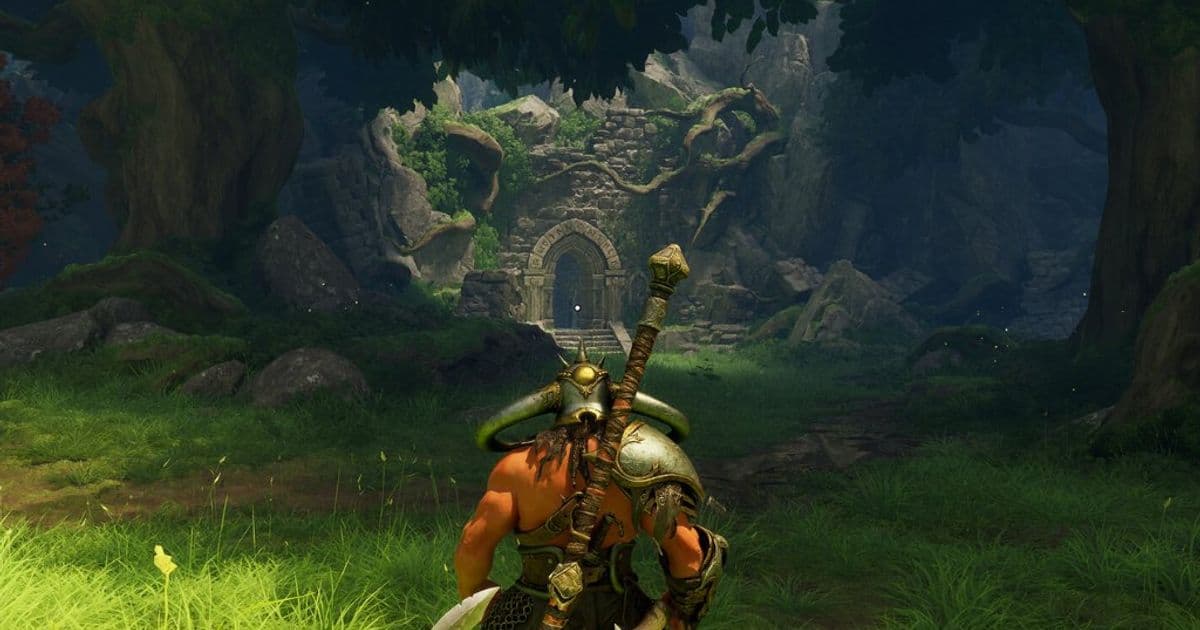
Notorious Studios, led by former Blizzard veteran Chris Kaleiki, has officially launched Eldegarde on Steam after a year in early access. The game blends PvPvE extraction mechanics with MMO elements, now featuring a dedicated PvE-only mode to attract players who prefer cooperative play over constant player conflict.
The extraction genre is having a bit of a moment lately. While most players are used to the shooting mechanics of Tarkov or relatively newer entries like Arc Raiders, Notorious Studios is betting that people want to swap rifles for broadswords and fireballs. Eldegarde, which spent the last year in early access under the name Legacy: Steel & Sorcery, officially hit version 1.0 on January 21, 2026. The team, led by Blizzard veteran Chris Kaleiki, has spent the last eleven months trying to find a middle ground between "hardcore PvPvE" and a more relaxed "mini-MMO" vibe.
What's New in Version 1.0
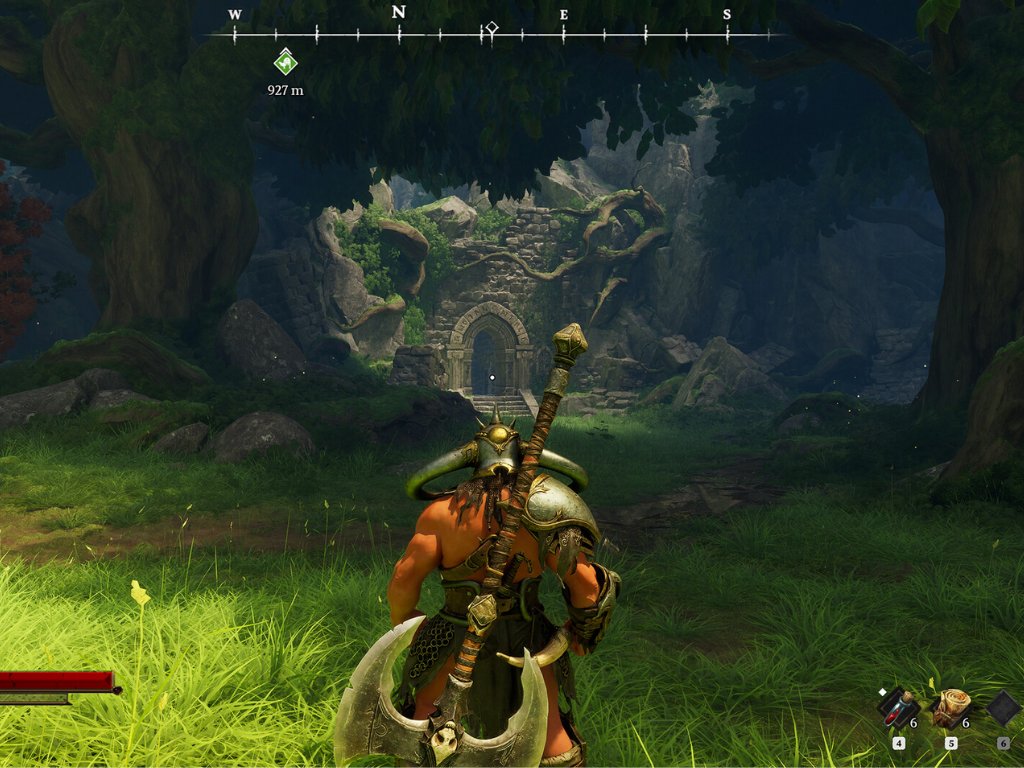
The game itself is pretty straightforward: you pick one of six classic classes - like the Paladin, Rogue, or Wizard - and drop into one of five unique zones to hunt monsters, loot chests, and hopefully extract before another player takes your head off. The big addition for 1.0 is a dedicated PvE-only mode, which the devs added after realizing that a huge chunk of their community just wanted to explore the world and fight bosses like Mor'thog the Cruel without the constant stress of being "ganked" by other players.
This isn't just a simple toggle. The PvE mode fundamentally changes the extraction loop. In the standard PvPvE mode, every encounter with another player carries the risk of losing all your extracted loot. The PvE mode removes this tension but also removes the high-stakes reward of defeating another player's gear. It's a calculated trade-off that addresses a specific player segment: those who enjoy the dungeon-crawling and boss-fighting aspects of extraction games but find the constant player threat overwhelming.
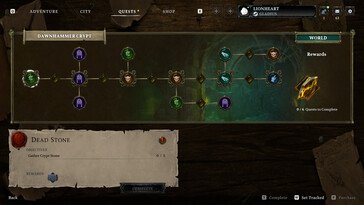
The Lodge system, which was introduced during early access, has received significant polish. This isn't just a cosmetic base-building feature. Players can construct functional furniture like forges, beds, and storage chests that provide tangible gameplay benefits. Rested XP from sleeping in beds accelerates leveling, while the forge enables gear upgrades that persist between runs. It's an attempt to create persistent progression in a genre typically defined by temporary runs, giving players reasons to invest time beyond the immediate extraction cycle.
How It Compares to the Extraction Genre
Most extraction games follow a similar formula: drop in, gather resources, fight AI or players, and extract before dying or the timer expires. Escape from Tarkov popularized the hardcore military simulation approach, while Hunt: Showdown added supernatural elements and permadeath mechanics. Arc Raiders is bringing a more action-oriented, third-person shooter approach to the genre.
Eldegarde differentiates itself by leaning heavily into fantasy RPG elements rather than modern or sci-fi settings. The six classes aren't just cosmetic variations - each has distinct abilities that fundamentally change how you approach encounters. The Paladin can tank damage and heal allies, making them ideal for group PvE content. The Rogue specializes in stealth and burst damage, excelling at ambushing other players in PvP zones. The Wizard brings area-of-effect spells that can control crowds of AI enemies or zone out other players.
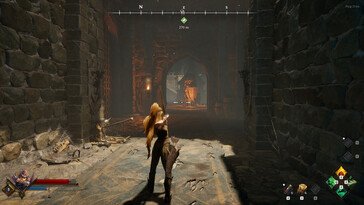
The game's five zones are designed with verticality and environmental storytelling in mind. Unlike the relatively flat urban environments of Tarkov, Eldegarde's zones feature multi-level structures, hidden passages, and interactive elements that reward exploration. The frozen fortress of Frostspire, for example, has collapsing ice bridges that can be triggered to cut off pursuers or create new paths.
Technical Performance and Platform Support
The game is built on Unreal Engine and supports modern bells and whistles like DLSS and Frame Generation. It's a bit of a resource hog, though, often requiring a manual dive into the settings to get a stable framerate on mid-range builds. On a system with an RTX 3060 and Ryzen 5 5600X, you'll need to drop to medium settings and enable DLSS Quality to maintain a consistent 60 FPS at 1080p. The game's lighting system, which uses dynamic shadows and global illumination, is particularly demanding in the darker dungeon zones.
For the Steam Deck crowd, it's a "Some Assembly Required" situation. It's playable, but you'll be fighting the default controls and frequently pulling up the virtual keyboard just to go through the basic UI elements. The developers have acknowledged this and promised controller optimization patches, but for now, the inventory management system - which requires precise cursor navigation - is cumbersome on a handheld device.
Community Reception and Monetization Concerns
The game has accumulated over 5,000 total reviews on Steam, currently sitting at a "Mostly Positive" 70% overall rating. However, the recent 1.0 feedback shows a more divided community at 53% positive. Long-time fans praise the depth of the Lodge system and the tactical combat, while newer players are pointing out that the combat can still feel a bit "stiff" and the UI is a cluttered mess of menus.
There's also some grumbling about the monetization. While the gameplay is free after the initial $24.99 purchase, the "God Tier" supporter packs and cosmetic prices have some players raising eyebrows. The most expensive supporter pack costs $99.99 and includes exclusive cosmetics, early access to new zones, and a unique mount. While these items don't provide gameplay advantages, their pricing has sparked debate about what constitutes reasonable monetization in a premium-priced game.
Who It's For
Eldegarde is best suited for players who:
Enjoy extraction mechanics but want fantasy settings - If you've been waiting for a Tarkov-like experience with swords and spells instead of assault rifles, this fills that niche.
Prefer cooperative PvE over competitive PvP - The new PvE mode makes this accessible for groups who want to tackle dungeons and bosses together without the constant threat of player ambushes.
Value persistent progression - The Lodge system and class leveling provide long-term goals beyond individual extraction runs.
Have mid-to-high-end PCs - The game's visual fidelity comes at a performance cost that may frustrate players on older hardware.
It's less ideal for:
- Players seeking polished, fluid combat animations (the movement still feels somewhat rigid)
- Those who want a completely free-to-play experience (the $24.99 entry fee is non-negotiable)
- Steam Deck users who want a seamless handheld experience
The Road Ahead
Notorious Studios has outlined a roadmap for 2026 that includes two new zones, additional classes, and a guild system that will allow players to form persistent groups. The team's experience from Blizzard is evident in their commitment to regular content updates, but the challenge will be maintaining player engagement in a genre known for its steep learning curve and high attrition rate.
The studio's decision to add a PvE mode shows they're willing to adapt based on community feedback, which is a positive sign for long-term support. However, the mixed 1.0 reviews suggest there's still work to be done on core gameplay feel and UI/UX polish.
You can check out Eldegarde on Steam - it's priced at $24.99. For more information about the development team and their vision, visit the official Notorious Studios website.
Comments
Please log in or register to join the discussion