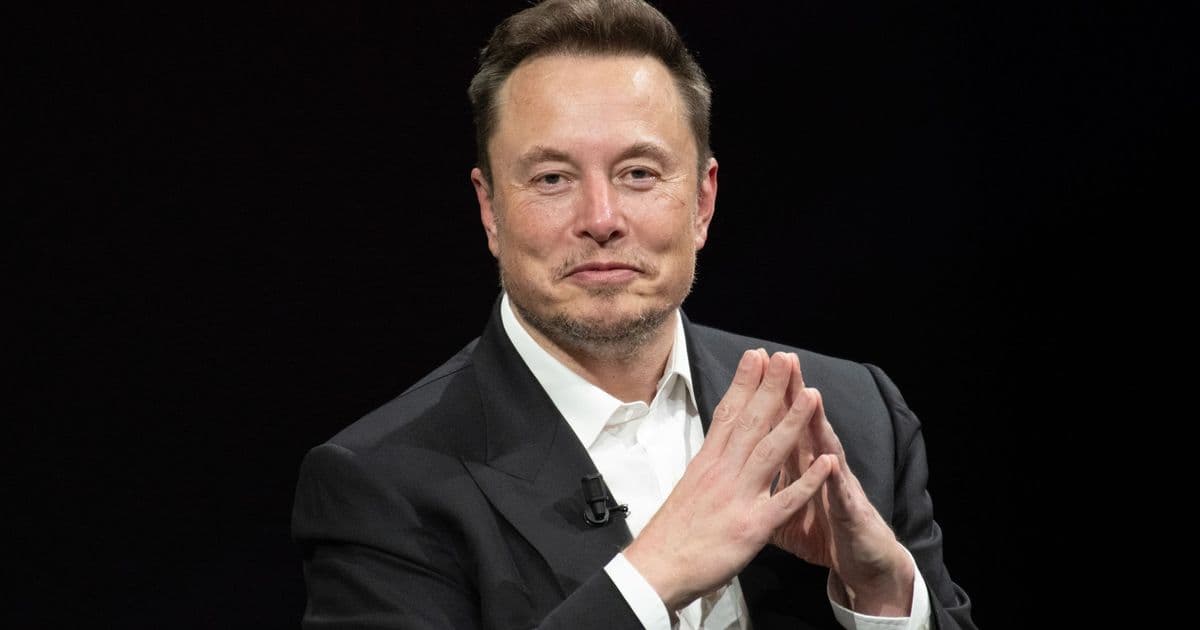
Elon Musk's Terafab project is moving at 'light speed' with aggressive supplier outreach, as the billionaire pushes to build his own chip manufacturing capabilities despite warnings from industry leaders about the immense complexity involved.
Elon Musk's ambitious Terafab project is accelerating at an unprecedented pace, with staff reportedly reaching out to major semiconductor suppliers and equipment manufacturers to secure critical components and manufacturing capabilities. According to Bloomberg, representatives working on the project have been aggressively contacting suppliers for pricing and delivery times on photomasks, substrates, etchers, and other essential chip manufacturing equipment.
(Image credit: Shutterstock)
The urgency of Musk's approach is evident in the reported tactics being employed. Sources indicate that Terafab representatives have been asking for "speedy" price estimates while remaining deliberately vague about specific products they plan to manufacture. In one particularly telling example, a company was reportedly contacted during a Friday holiday for an estimate to be delivered by the following Monday, demonstrating the "light speed" approach Musk has demanded.
Terafab's outreach has included major industry players such as Applied Materials Inc., Tokyo Electron Ltd., Lam Research Corp., and even Samsung Electronics Co., which serves as Musk's existing chip manufacturing partner. The aggressive approach appears to include a willingness to pay premium prices to gain priority access to equipment and materials, suggesting that Musk is prepared to leverage his substantial financial resources to overcome traditional supply chain constraints.
This aggressive push comes despite warnings from industry veterans about the immense complexity of semiconductor manufacturing. Nvidia CEO Jensen Huang has cautioned that building advanced chip manufacturing facilities is "extremely hard," requiring not just financial investment but also deep engineering expertise, scientific knowledge, and the specialized "artistry" that companies like TSMC have developed over decades.
"Building advanced chip manufacturing is extremely hard," Huang said. "It is not just building the plant, but the engineering, the science, and the artistry of doing what TSMC does for a living is extremely hard."
Musk's semiconductor ambitions appear to be driven by frustration with existing chip manufacturing capacity, which he has publicly criticized as insufficient to meet the needs of his various companies, including Tesla and SpaceX. The billionaire entrepreneur has a track record of successfully disrupting established industries, having made electric vehicles mainstream through Tesla and commercialized space flight via SpaceX's low-cost, reusable orbital rockets.
The Terafab project officially launched in March 2026, less than five months after Musk first publicly discussed the idea. The timeline demonstrates Musk's characteristic ability to move quickly from concept to execution. To kickstart the venture, Musk injected $20 billion into Terafab, though industry experts estimate that the total cost could eventually exceed $5 trillion.
Intel's unexpected involvement in the project has added another layer of complexity and significance. Less than a month after Terafab's announcement, Intel revealed it had joined the initiative to "help refactor silicon fab technology" and "accelerate Terafab's aim to produce 1 TW/year of compute." This partnership has proven particularly beneficial for Intel, which was on the verge of collapse just two years ago but has since reached its highest market capitalization in 25 years.
The market has responded positively to Terafab's aggressive supplier outreach, with several companies experiencing stock price increases. Tokyo Electron closed at +5.3% in Tokyo trading, while Applied Materials and Lam Research saw 2% gains in pre-market trading, despite no fixed orders being placed by the startup at this stage.
However, industry experts caution that even with Musk's resources and determination, semiconductor manufacturing remains a long-term endeavor. TSMC CEO C.C. Wei emphasized during an earnings call that the process cannot be rushed: "It takes two to three years to build a new plant — no shortcut — and it takes another one or two years to ramp it up. There are no shortcuts."
As Terafab continues its aggressive supplier outreach and supplier negotiations, the semiconductor industry watches closely to see whether Musk can replicate his success in other industries within the highly specialized and capital-intensive world of chip manufacturing. The project represents a significant challenge to established players like TSMC, Intel, and Samsung, while potentially addressing the supply chain concerns that have plagued Musk's various ventures.
The coming months will be critical as Terafab moves from supplier negotiations to actual facility construction and equipment procurement. Whether Musk's "light speed" approach can overcome the inherent complexities and timelines of semiconductor manufacturing remains one be seen, but the aggressive pace and substantial financial backing suggest that the project will continue to make waves in the industry regardless of the ultimate outcome.
Comments
Please log in or register to join the discussion