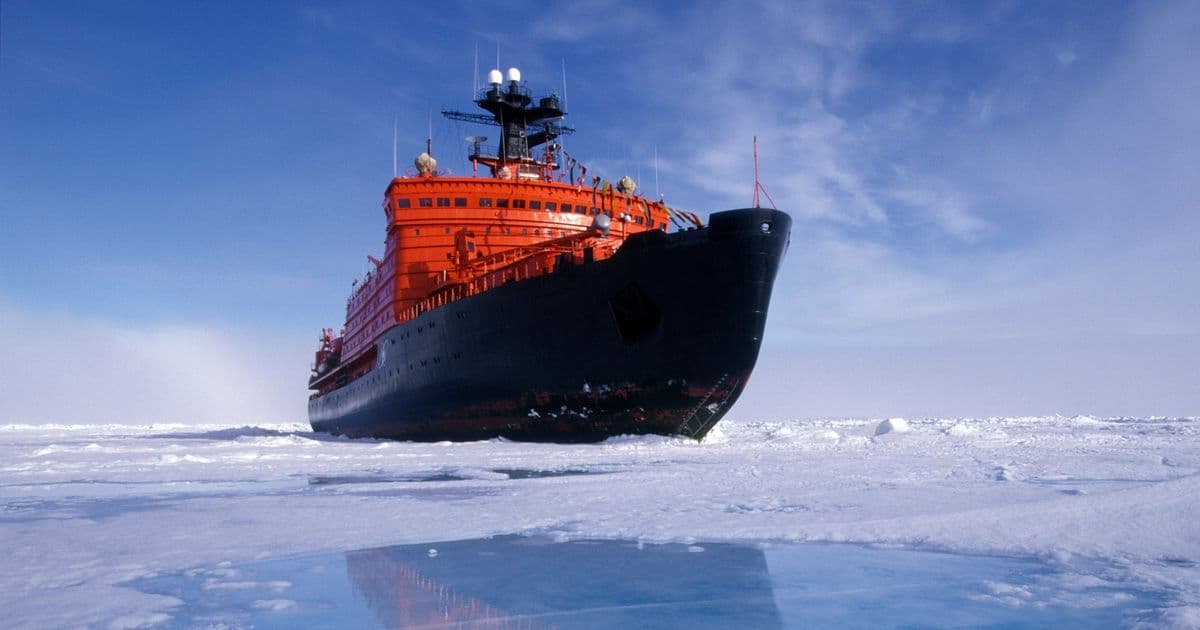
The European Union is evaluating two Arctic‑routed submarine‑cable projects, including the Polar Connect line that would cross the North Pole. Driven by recent Red‑Sea cable cuts and heightened geopolitical risk in the Strait of Hormuz, the initiative faces extreme ice conditions, a lack of ice‑capable cable ships, and costly maintenance, but could give Europe a sovereign data path to Asia.
Announcement
The European Union has opened a formal study into two Arctic submarine‑cable routes that would link Europe directly to Asia, sidestepping the traditional Middle‑East corridor that carries roughly 90 % of Europe‑Asia internet traffic. One route would thread through Canada’s Northwest Passage; the other, dubbed Polar Connect, would launch from Scandinavia, plunge across the North Pole, and surface on the Russian Far East. The EU aims to have the Polar Connect system operational by 2030.
Technical specifications and engineering challenges
| Parameter | Expected value / current benchmark |
|---|---|
| Length | ~13,500 km (Scandinavia → Siberia) – comparable to the 13,600 km SEA‑ME WE cable but with a far more hostile environment |
| Fiber count | 8 × 96‑strand bundles (typical for high‑capacity trans‑oceanic systems) |
| Capacity | Target design capacity 120 Tbps, matching the 2Africa and MAREA systems |
| Repeater spacing | 70 km (standard) but may be reduced to 55 km in ice‑prone sectors to mitigate signal loss from colder seabed temperatures |
| Cable sheath | Dual‑layer steel armor with an additional polyethylene‑based ice‑resistant coating; thickness increased from the usual 2 mm to 4 mm to withstand iceberg scrapes |
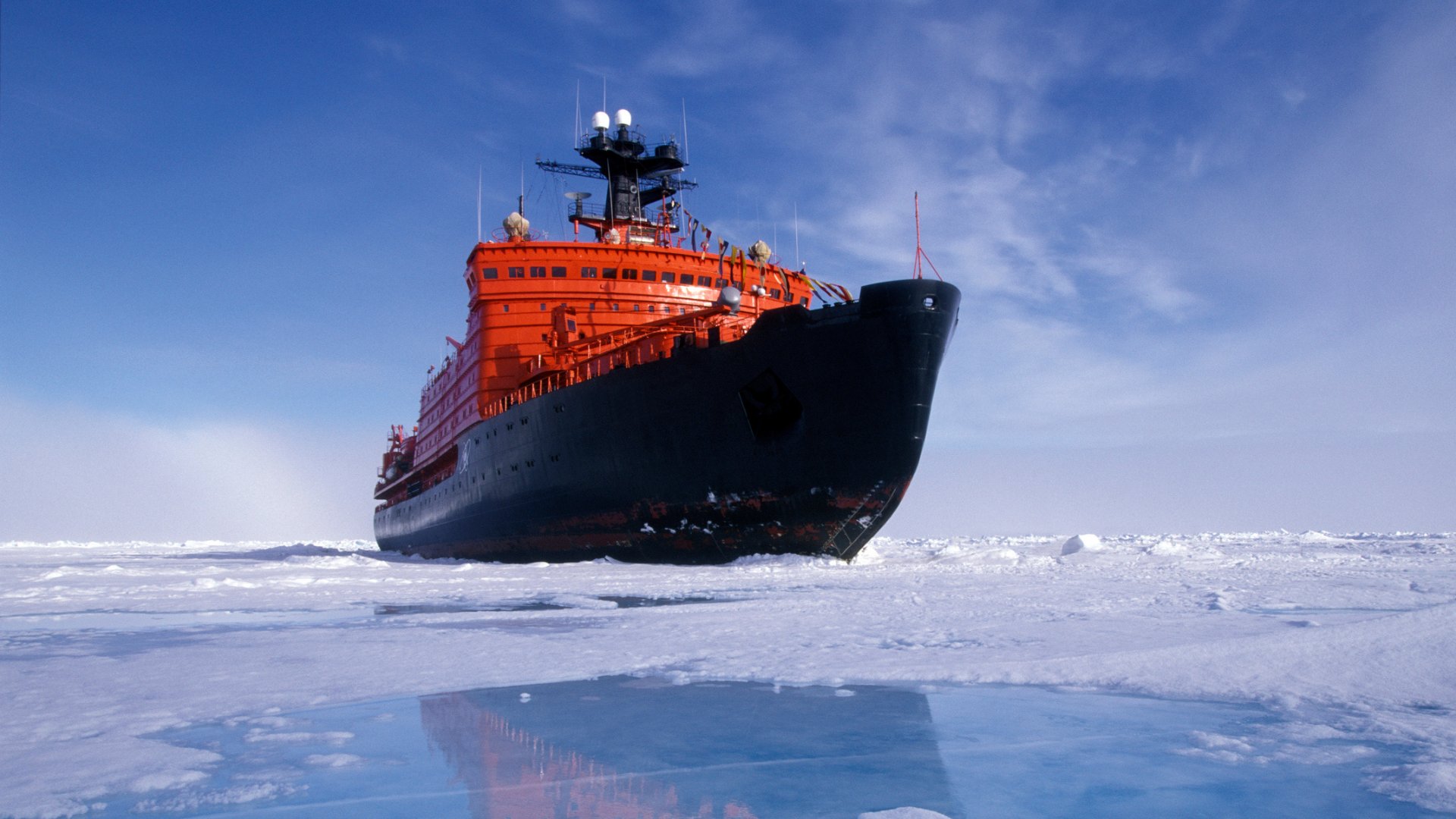
| Installation vessels | No existing ice‑breaking cable layers; the EU is commissioning a dual‑purpose icebreaker‑cable ship (estimated 150 m, 30 MW propulsion) modeled after the Finnish Polar Queen but fitted with a 1,500‑ton cable drum |
| Maintenance window | Seasonal – most repairs must wait for the Arctic melt window (June‑August), extending outage times from the typical 2‑3 weeks to up to 8 weeks |
Ice and seabed interaction
Icebergs can reach 200 m in draft and drift at 0.5–1 km/h. When a berg contacts the seafloor, it can gouge a trench up to 2 m deep, enough to expose or sever a buried cable. To mitigate this, Polar Connect plans to lay the cable at a depth of 2,500 m where feasible, and to embed it in a sacrificial sand‑filled trench that can be refilled remotely using autonomous underwater vehicles (AUVs). The trench‑filling concept draws on the SeaBed 2022 trial in the North Atlantic, where AUV‑deposited sand restored a 500‑m breach in under 48 hours.
Vessel logistics
Current cable‑laying fleets (e.g., Tyco and Nexans ships) lack ice‑class certification. The EU’s procurement documents call for two vessels: one icebreaker to clear a path and a second, standard cable layer to perform the actual lay. This dual‑ship approach adds ≈30 % to capital expenditure and ≈45 % to operational costs compared with a single‑ship deployment in temperate waters.
Repair economics
A typical trans‑Atlantic repair costs US$5‑7 M and takes 2–3 weeks. In the Arctic, the same repair could exceed US$12 M because of mobilizing icebreakers, extended weather windows, and the need for remote AUV assistance. Factoring a projected 0.5 % annual breakage rate (higher than the 0.2 % baseline for temperate cables) yields an annualized repair cost of US$60 M, versus roughly US$20 M for a conventional route.
Market implications
- Geopolitical resilience – By avoiding the Red Sea, the Strait of Hormuz, and Russian‑controlled terrestrial backbones, the EU gains a data path that is not subject to sanctions, blockades, or regional conflicts. This aligns with EU strategic autonomy goals outlined in the 2023 Digital Sovereignty roadmap.
- Capacity diversification – Adding a 120 Tbps Arctic spine reduces the load on existing Middle‑East cables by an estimated 15 %, easing congestion and lowering latency for Europe‑Asia traffic (average round‑trip time could drop from 210 ms to ≈180 ms for routes that currently detour via the Middle East).
- Cost‑benefit calculus – The upfront CAPEX for Polar Connect is projected at €9 bn, roughly 1.8× the cost of a comparable temperate cable. However, the EU is budgeting €1.2 bn in subsidies for the ice‑breaker ship and €300 M for autonomous repair assets, betting that the long‑term security premium will outweigh the higher OPEX.
- Industry ripple effects – The announcement has prompted vendors such as Nexans, SubCom, and TE SubCom to accelerate development of ice‑class repeaters and low‑temperature fiber coatings. In parallel, the U.S. Navy’s Arctic Submarine Cable Initiative (ASCI) is being revisited, potentially creating a trans‑Atlantic‑Arctic consortium.
- Risk of delay – Historical precedents—Quintillion’s Arctic Fibre line suffered two ice‑related outages (June 2023, January 2025) that forced 8‑month repair windows—suggest that meeting the 2030 deadline will require robust contingency planning and perhaps a phased rollout (initial 6,000 km segment operational by 2027, full line by 2030).
Outlook
If the EU can secure an ice‑breaker‑cable ship and validate autonomous trench‑refill technology, Polar Connect could become the first fully sovereign Europe‑Asia data corridor that bypasses all major geopolitical chokepoints. The project’s success will hinge on mastering Arctic engineering constraints and justifying the higher lifecycle cost against the strategic value of uninterrupted, low‑latency connectivity.
*For further reading on Arctic cable engineering, see the International Cable Protection Committee (ICPC) Arctic Guidelines and the recent SeaBed 2022 trial report.*
Comments
Please log in or register to join the discussion