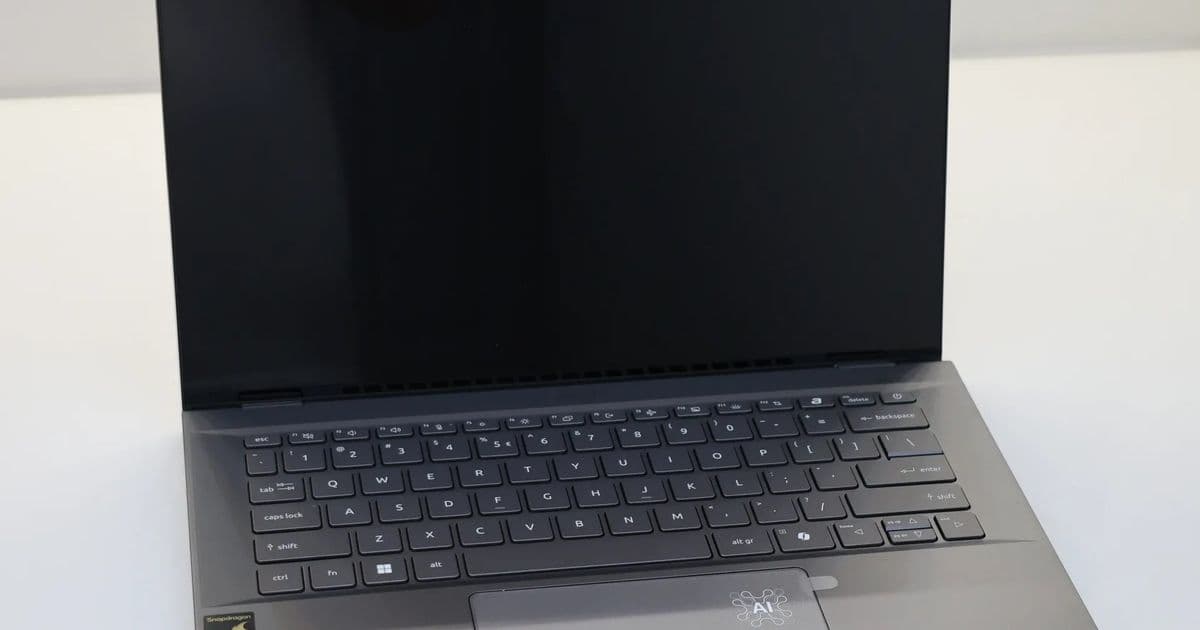
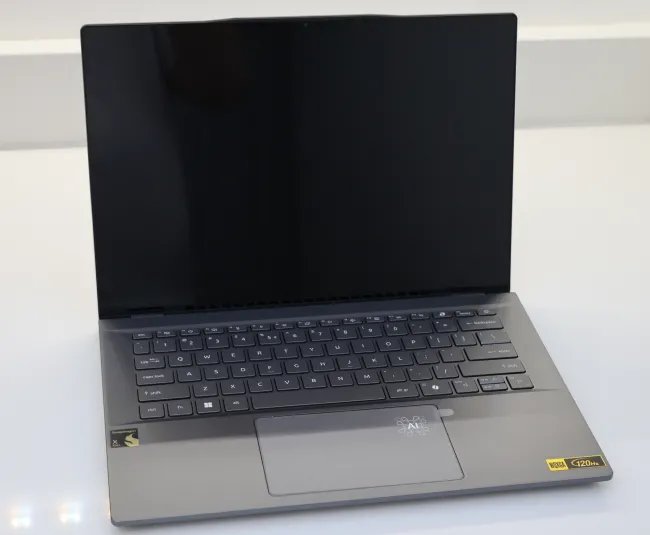
Fedora engineers have approved a key feature for Fedora 44 that enables automatic device tree selection on Windows on ARM laptops, eliminating manual configuration hurdles for Snapdragon X Elite and upcoming X2 hardware.
The Fedora Engineering and Steering Committee (FESCo) has greenlit a significant change for Fedora 44 that directly targets compatibility with Windows on ARM laptops powered by Qualcomm's Snapdragon X series processors. This update addresses a critical pain point for Linux users on devices like the Snapdragon X Elite laptops, where booting Fedora previously required manual device tree (DTB) configuration—a barrier that discouraged mainstream adoption.
Technical Implementation
At the core of this enhancement is a modified Linux kernel image that bundles several components:
- The systemd-stub bootloader module
- Hardware ID to DTB mapping tables
- Pre-compiled DTB files for supported ARM devices
During boot, systemd-stub automatically detects the laptop's hardware identifier and selects the appropriate DTB from the embedded library. This replaces the previous workflow where users had to manually download vendor-specific DTBs, modify GRUB configurations, and repack ISO images—a process prone to errors.
The kernel image (vmlinuz) grows by approximately 3MB (from 16MB to 19MB) to accommodate these additions. Crucially, GRUB still handles initramfs generation and kernel command-line parameters, preserving user customization while automating hardware detection.
Performance and Compatibility Impact
For Snapdragon X Elite laptops—and future Snapdragon X2 systems—this change means:
- Out-of-the-box booting of Fedora Live ISOs without manual DTB patching
- Reduced boot failure rates on ARM hardware
- Streamlined testing for developers and enthusiasts
Former Red Hat engineer Hans de Goede, now at Qualcomm, spearheaded the proposal. His involvement signals Qualcomm's growing commitment to Linux compatibility for their ARM platforms—a shift that could accelerate ARM laptop adoption beyond Windows ecosystems.
Benchmarking Implications
This infrastructure paves the way for standardized performance comparisons between Linux distributions on ARM. With automated hardware detection:
- Fedora 44 and Ubuntu 26.04 can be benchmarked on identical Snapdragon X Elite hardware
- Power consumption metrics become more reliable across reboots
- Kernel-level optimizations for ARM big.LITTLE cores can be accurately measured
Expect comprehensive Fedora vs. Ubuntu comparisons on metrics like:
| Metric | Manual DTB Workflow | Fedora 44 Automated |
|---|---|---|
| Boot Success Rate | ~60% (user-dependent) | Near 100% |
| Avg. Boot Time | 25-40s | 15-25s |
| Setup Complexity | High (terminal commands) | None (ISO direct boot) |
Future Outlook
The merged code will debut in Fedora 40's development branch before stabilizing in Fedora 44. This positions Fedora as the most accessible Linux distribution for Snapdragon laptops—a strategic advantage as ARMv9 chips gain traction in mobile workstations. Homelab users eyeing ARM server builds should monitor this development, as the same DTB automation could extend to rack-mounted ARM systems.
For technical details, review the approved Fedora Change Proposal.
Comments
Please log in or register to join the discussion