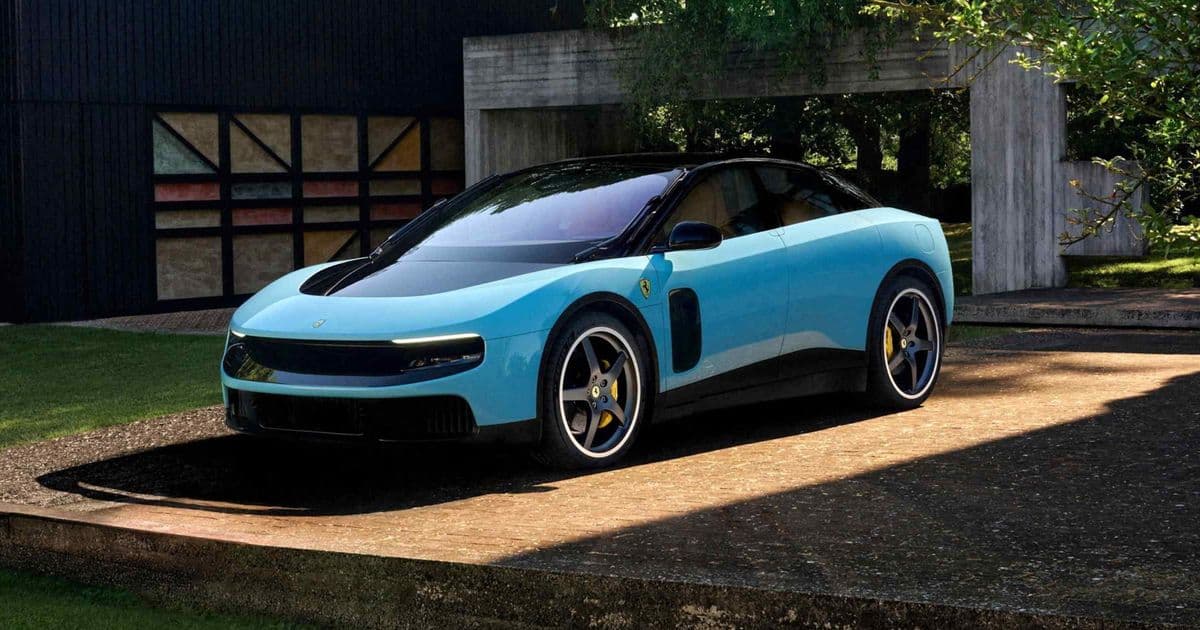
Ferrari's first all-electric car was meant to win back China's superrich. Instead, the Luce has become a case study in how Europe's heritage marques are losing the ultraluxury segment to homegrown disruption and shifting buyer tastes.
When Ferrari CEO Benedetto Vigna staked the company's electric debut on reversing a sales slide in China, he was making a bet that the brand's mystique would translate intact into a new powertrain and a new generation of buyers. The early reaction to the Luce, Ferrari's first fully electric car, suggests that bet was optimistic. Analysts tracking the ultraluxury market remain skeptical that Europe's venerable performance brands can adapt fast enough to a Chinese market that no longer behaves the way it did a decade ago.
The context matters more than the car. China has been the single most important growth engine for European luxury automakers for years, and the ultraluxury tier sitting above brands like BMW and Mercedes was supposed to be insulated from the price wars and demand swings hitting the mass and premium segments. That insulation is gone. Market disruptions that started in the high-volume EV space have worked their way up the price ladder, and the buyers Ferrari is chasing now have options that did not exist when the brand could rely on scarcity and a prancing-horse badge alone.
What changed in China's high end
The disruption is structural, not cyclical. Domestic Chinese manufacturers spent the past several years building credible technology stacks, and that capability is now pushing into territory European brands assumed was theirs. BYD has been shipping advanced self-driving silicon, including a 4-nanometer chip, even as investors question whether the hardware translates into growth. Xpeng and others have turned in-house chip design and software into selling points rather than afterthoughts. For a Chinese buyer with the means to purchase a Ferrari, the comparison set now includes domestic vehicles that are faster on the software side and, increasingly, competitive on performance.
The buyer profile has shifted too. China's wealthiest consumers have grown younger and more attuned to technology and digital status signals than to the heritage narratives that European marques have spent a century cultivating. Chinese auto executives have responded by reinventing themselves as livestreaming influencers, selling cars directly through the same channels that move cosmetics and electronics. A brand built on exclusivity and dealership ritual does not slot easily into that model.
The adaptation problem
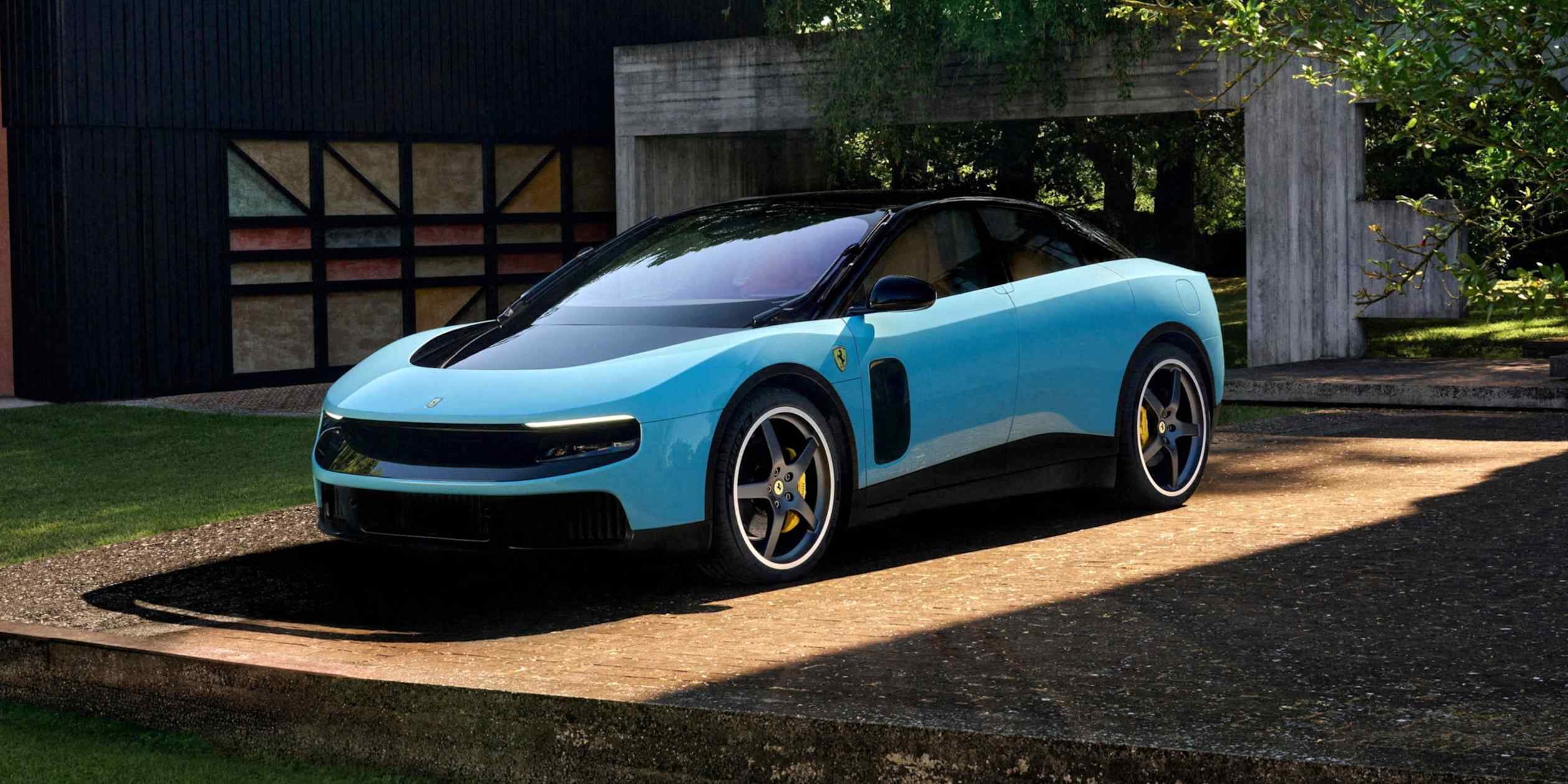
The Luce represents a real departure for Ferrari, both in its electric drivetrain and in a design language that breaks from the brand's conventions. That break is the source of the skepticism. The value of a Ferrari has always been bound up in continuity, the sound of the engine, the lineage of the design, the promise that the car is a direct descendant of racing machines. Strip out the combustion engine and you remove a large part of what buyers were paying a premium for. The company is asking customers to accept that the Ferrari proposition survives the transition to electric, and the market has not yet confirmed that it does.
This is not Ferrari's problem alone. BMW and Mercedes have struggled to build luxury electric cars tailored to Chinese tastes, repeatedly finding that what works in Europe does not resonate in Shanghai or Shenzhen. The pattern across the German and Italian luxury players is the same: strong global brands discovering that brand equity does not automatically carry across a powertrain change and a generational handoff in their most important growth market.
What it means
For Ferrari, the strategic implication is uncomfortable. The company cannot ignore electrification, both for regulatory reasons and because the Chinese ultraluxury buyer increasingly expects it. But moving too aggressively risks diluting the scarcity and heritage that justify its margins, which are among the highest in the entire auto industry. The Luce is the company testing how far it can stretch the brand before the premium starts to erode.
The broader signal is about where pricing power in the auto industry is migrating. For most of the modern era, the assumption was that technology trickled down from luxury to mass market and that European brands sat permanently at the top of the value chain. Chinese manufacturers have inverted that. They built scale and software capability at the bottom and are now pushing upward, awakening Western rivals' idle production lines and forcing legacy players to defend a segment they once owned outright. If China's superrich decide that a domestically built, software-rich electric vehicle carries as much status as an electric Ferrari, the economics that have protected Europe's heritage marques for generations come under direct pressure.
Vigna's bet on the Luce was that the Ferrari name could do the heavy lifting through a difficult transition. The early returns suggest the name still matters, but no longer enough to overcome a market that has rewritten the rules of what the wealthiest buyers want. How the Luce sells over the coming year will tell European luxury whether it is adapting to the new China or simply managing a graceful retreat from it.
Comments
Please log in or register to join the discussion