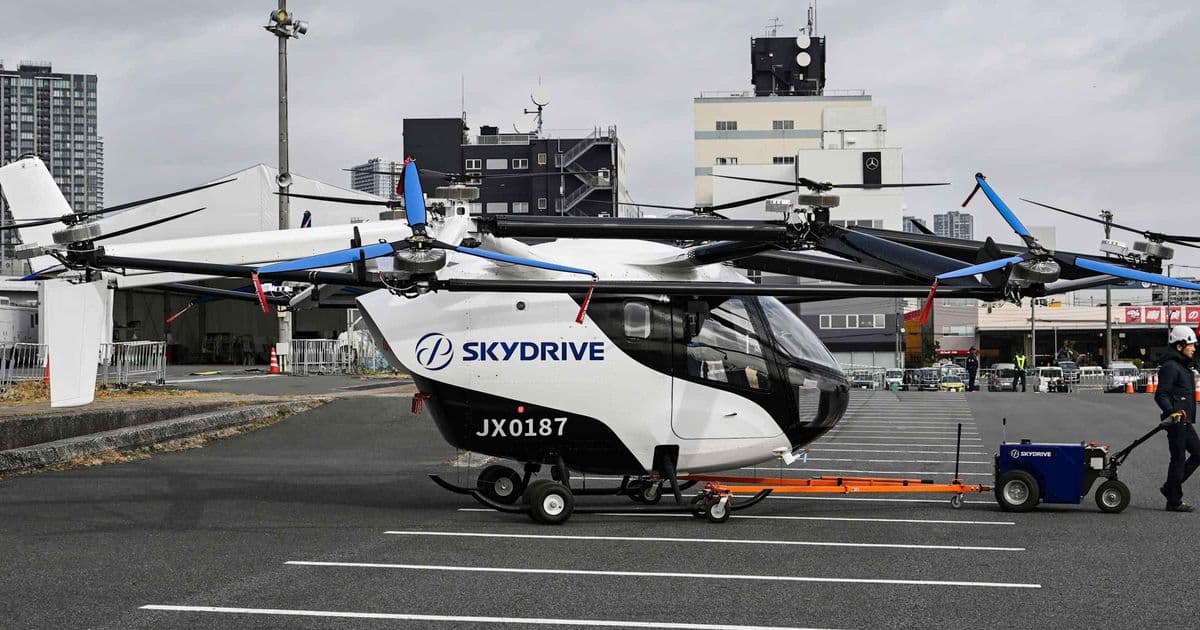
Japanese startup SkyDrive says its homegrown eVTOL could carry paying passengers by 2028, with a CEO pledge to keep the aircraft at half the cost of a helicopter. The promise puts a small, well-capitalized player against Joby, EHang, and a crowded field chasing the same air taxi market.
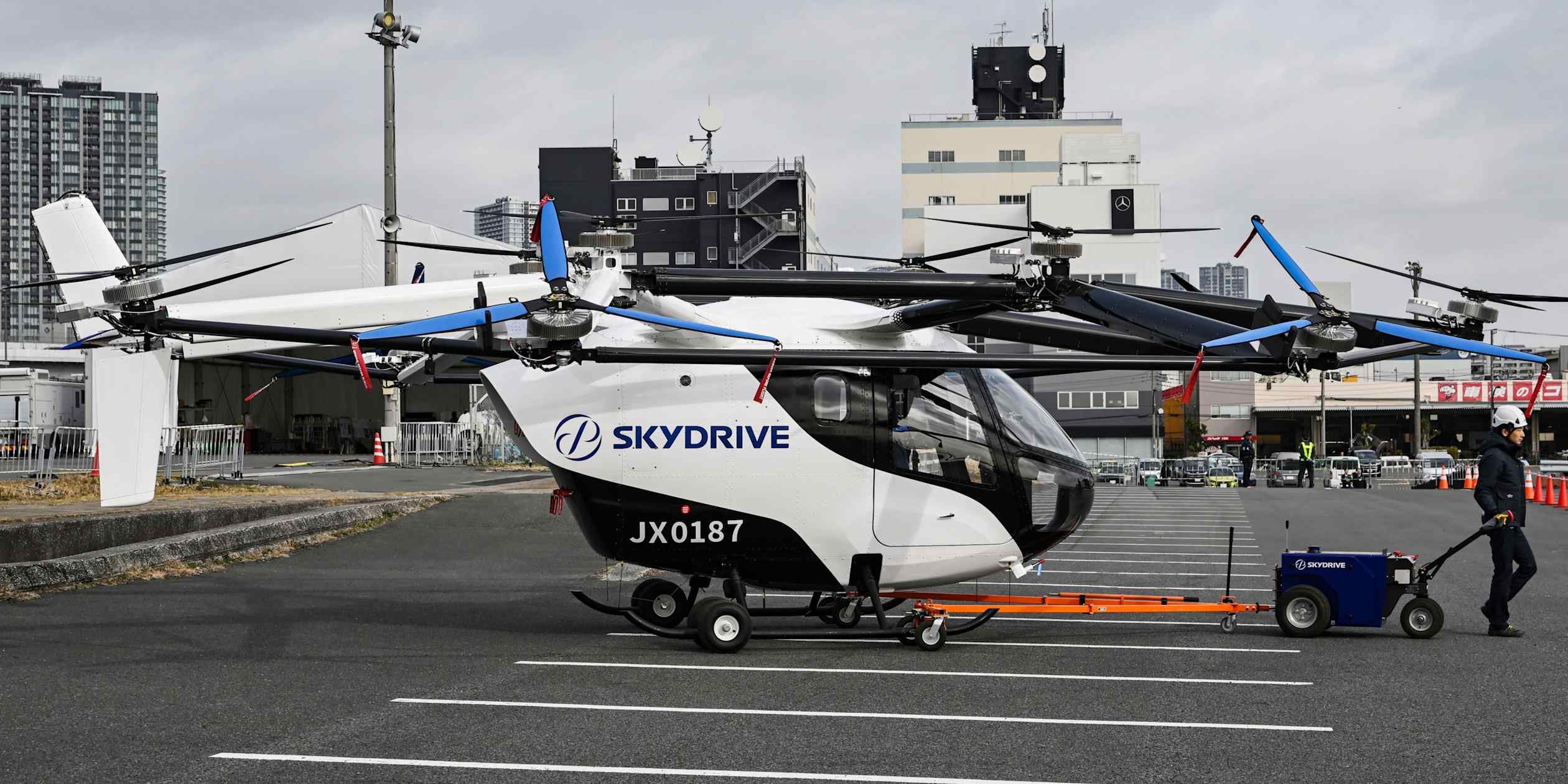
Japanese startup SkyDrive is targeting 2028 for the start of commercial flying car operations, with CEO Tomohiro Fukuzawa setting a price goal that would put the company's aircraft at roughly half the cost of a conventional helicopter. The Nagoya-based firm is building a compact, electric vertical takeoff and landing (eVTOL) aircraft that it argues is particularly well suited to Japan's dense cities and crowded airspace.
The pricing target is the most strategically interesting part of the announcement. Helicopters used for charter and air mobility typically run into the millions of dollars per unit, and operating costs, fuel, maintenance, and pilot expenses, keep per-flight prices high enough to lock out most travelers. By anchoring its aircraft cost at about half that level, SkyDrive is signaling that it wants to compete on unit economics rather than novelty. Electric propulsion with fewer moving parts than a turbine helicopter is the lever here. Fewer components mean lower maintenance overhead, and battery electric drivetrains cut fuel costs sharply, which is where eVTOL makers expect to undercut traditional rotorcraft on a per-seat-mile basis.
Market context
SkyDrive is entering a field that has gotten crowded and well-funded over the past few years. In the United States, Toyota-backed Joby Aviation has been scaling production and pushing through the Federal Aviation Administration's certification process, a multi-year regulatory grind that has become the real bottleneck for the entire sector. In China, EHang has already moved toward commercial air taxi service with its autonomous EH216 platform, and Chinese regulators have signaled support by creating dedicated oversight for drones and flying cars. Flying taxi services are slated to begin in China and the UAE during 2026, putting those markets two years ahead of SkyDrive's domestic timeline.
That gap matters. The companies that certify and fly first will accumulate operational data, refine maintenance practices, and build the vertiport infrastructure and public trust that latecomers have to catch up on. SkyDrive's counterargument is fit-to-market. Its aircraft is small and quiet, characteristics that align with Japanese regulatory caution around noise and the practical constraints of operating over densely populated urban areas where larger aircraft face stiffer resistance.
The competitive picture inside Japan is also tightening. A Suzuki-backed flying car startup has been testing a Tokyo service, meaning SkyDrive cannot count on a clear home-market runway. Domestic rivalry tends to accelerate development but also fragments the capital and talent available to any single player, a dynamic that has historically left Japanese hardware sectors with several sub-scale competitors rather than one dominant champion.
What it means
The 2028 target is best read as a statement of intent rather than a firm date. Across the eVTOL industry, certification timelines have repeatedly slipped as aviation authorities work through how to evaluate a fundamentally new aircraft category. SkyDrive's ability to hit its window will depend less on engineering and more on how quickly Japan's regulators define and clear a path to type certification, plus whether the company can secure the manufacturing scale needed to deliver aircraft at its promised price point. Cost targets in aerospace are notoriously hard to hold once certification requirements add weight, redundancy, and testing.
For investors and the broader transportation sector, the more durable signal is that the air mobility race has shifted from prototypes to business models. The conversation is now about unit cost, certification queues, and route economics rather than whether the aircraft can fly. SkyDrive's pitch, a cheaper-than-helicopter aircraft built for the specific contours of the Japanese market, is a focused bet in a sector where many rivals are chasing global scale. Whether focus or scale wins out will become clearer as the first commercial services in China and the Gulf generate the operating numbers that everyone else, SkyDrive included, will be measured against.
Comments
Please log in or register to join the discussion