AI workloads are pushing data center operators to rethink how traffic moves across the Pacific, and Japanese firms see an opening to claim more of a subsea cable market long dominated by US hyperscalers and Chinese contractors. The question is whether veteran players can convert engineering credibility into commercial share.
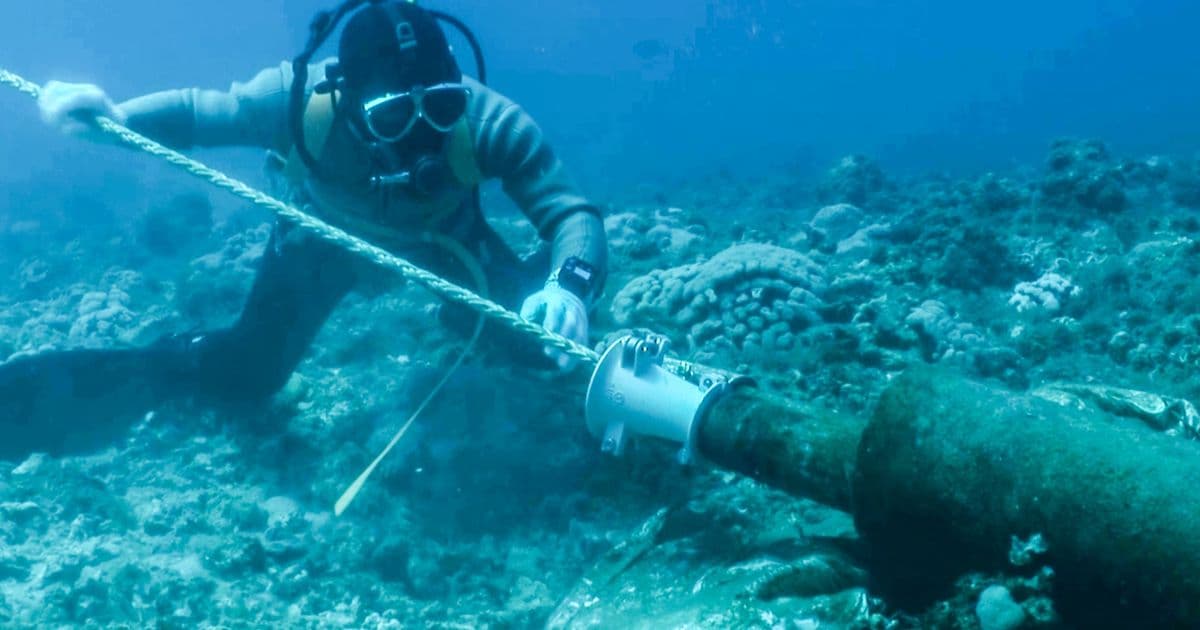
Japan's subsea cable industry is positioning itself for a larger role in the systems that carry data across Asia, betting that the surge in artificial intelligence traffic will reward the companies that can build faster, denser, and more reliable links between the region's data centers.
The shift is being driven by a basic mismatch. AI training and inference workloads generate enormous east-west traffic between facilities, and a growing share of that capacity needs to cross oceans rather than stay inside a single country. Subsea cables already carry roughly 99 percent of intercontinental internet traffic, and the economics of that infrastructure are changing as hyperscalers, not telecom carriers, become the dominant buyers.
What is actually happening
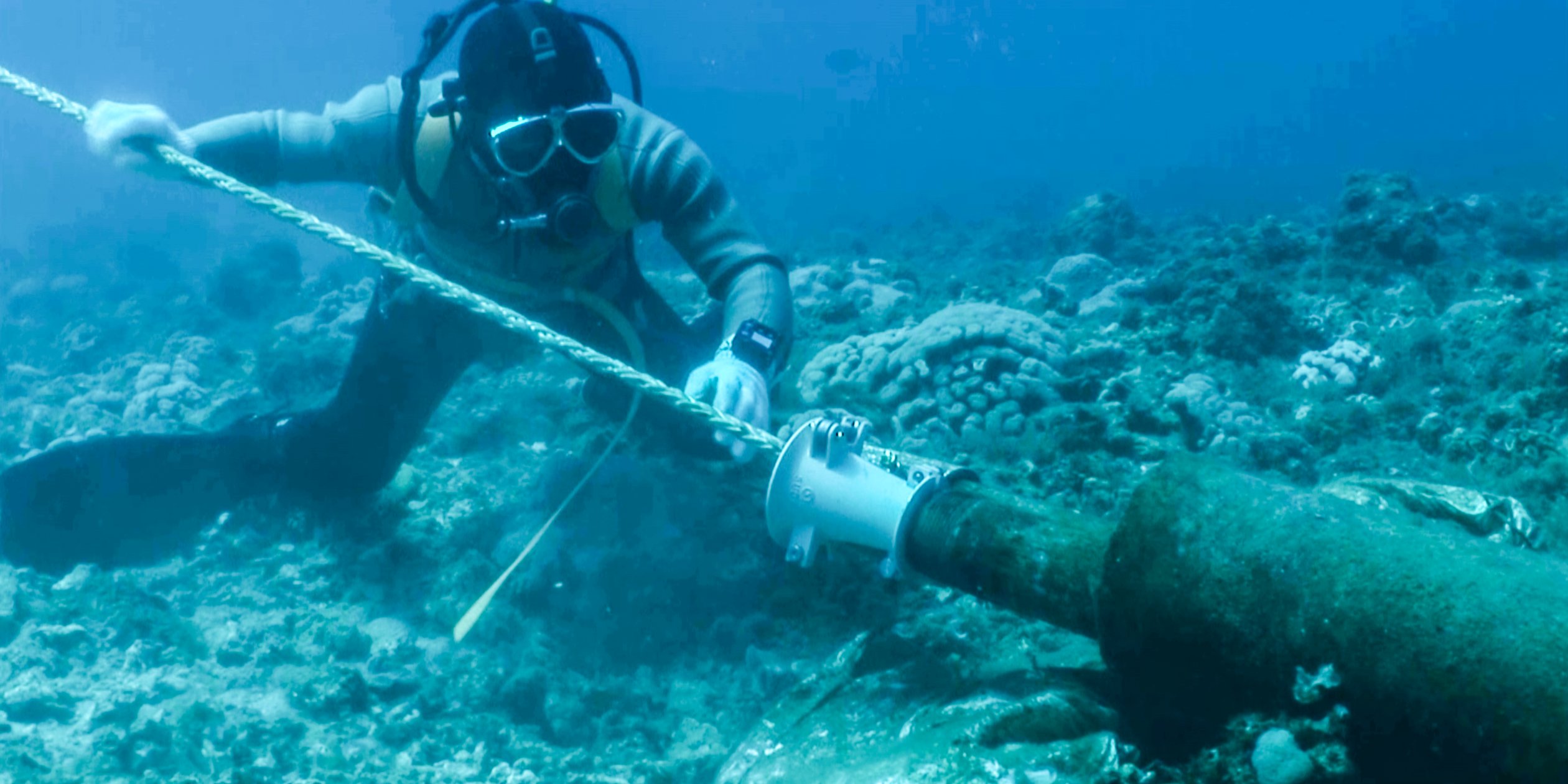
Veteran operators like NTT's marine engineering arm and equipment makers including NEC, Fujikura, and Sumitomo Electric are pushing to capture more of the design, manufacturing, and installation work that flows through the region. NEC has been chasing an edge in high-capacity fiber, packing more strands into each cable to lift total throughput, while Fujikura has said it plans to bring a US fiber-optic cable plant online by 2030. The common thread is a recognition that the old way of doing business, built around national carriers and slow multi-year consortium deals, no longer matches how AI buyers move.
That point was made plainly by Yoshio Sato, a 25-year veteran of the subsea cable business, who has come to see the limits of the industry's traditional model. The old consortium approach, where a dozen carriers split the cost and capacity of a single cable over a decade-long horizon, is being squeezed by hyperscalers who want dedicated capacity on their own schedules.
Market context
The numbers explain the urgency. The global submarine cable market is estimated in the low tens of billions of dollars annually when installation, maintenance, and equipment are combined, but the value sits less in the cables themselves than in the trillions of dollars of cloud and AI commerce they enable. Google, Meta, Amazon, and Microsoft now fund or own stakes in a large share of new trans-Pacific systems, a reversal from the era when telecom incumbents controlled the routes.
Chinese contractors, led by HMN Technologies, expanded aggressively in the previous decade and pulled in significant share across Southeast Asia and Africa. US export restrictions and security reviews have since fragmented that market, with several high-profile cables rerouted to avoid Chinese-linked vendors or politically sensitive landing points. That fragmentation is precisely the gap Japanese firms are trying to fill. They offer manufacturing depth, a long installation track record, and, for US and allied buyers, a vendor base that sidesteps the regulatory friction now attached to Chinese suppliers.
Demand on the supply side is tightening at the same time. Reports across the sector point to strained supplies of lasers, specialty fiber, and other optical components as AI data center construction competes for the same parts. That scarcity favors integrated players who control more of their own production, and it gives Japanese component makers leverage they have not had in years.
What it means
For Japan, this is a chance to convert engineering credibility into commercial position in a market it helped pioneer but never dominated commercially. The strategic logic extends beyond revenue. Subsea cables are increasingly treated as critical infrastructure, and governments in Tokyo, Washington, and across the Indo-Pacific are paying closer attention to who builds and lands them. A larger Japanese footprint aligns with allied efforts to keep sensitive routes out of contested supply chains.
The harder question is execution. Capturing share means moving faster than a consortium-era culture is built to move, financing capacity ahead of confirmed demand, and competing on price against contractors with state backing. Hyperscalers will reward vendors who can deliver dedicated capacity quickly, not those who offer the most elegant engineering. Whether firms like NEC and Fujikura can adapt their commercial models as effectively as they have advanced their technology will determine how much of the AI-driven cable buildout actually flows their way.
The broader pattern is clear. AI is not only reshaping demand for chips and power, it is rewiring the physical layer of the internet itself, and the companies that supply that layer are being reordered in the process. Japan is making its move while the market is still in flux.
Comments
Please log in or register to join the discussion