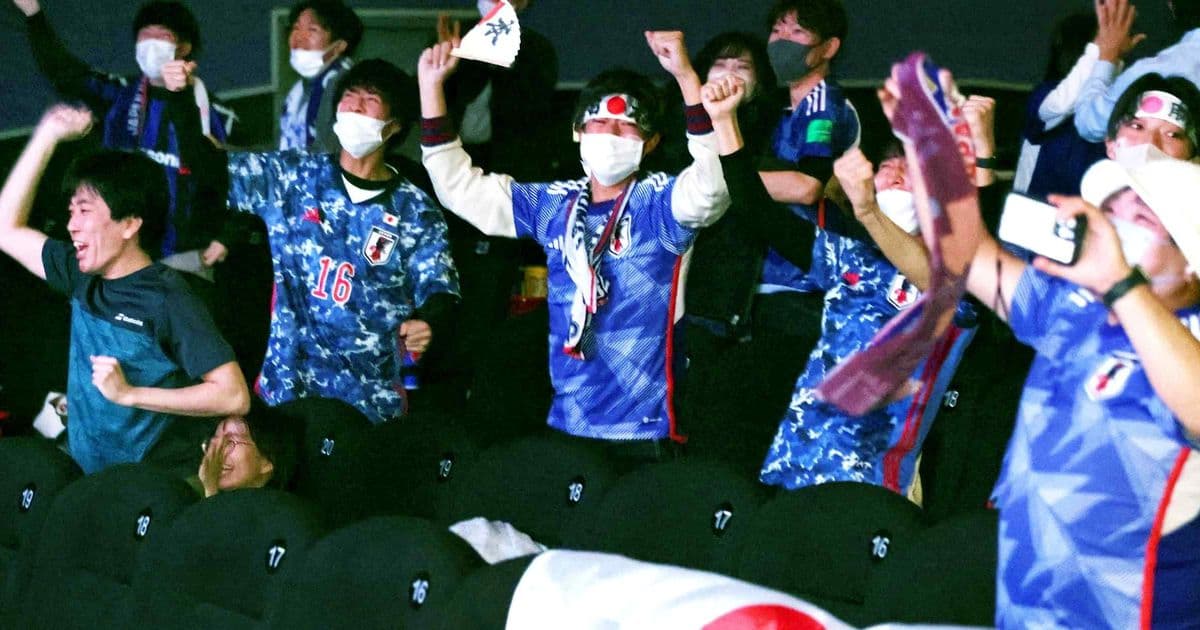
Asia is FIFA's largest viewing market, but the 2026 World Cup's North American time zones mean most matches will land in the dead of night across Tokyo, Seoul and beyond. Broadcasters are balking at rights fees set during a different era, and the standoff exposes how badly the old TV-rights model fits a region that has already moved to streaming.
Asia delivers FIFA its biggest audience, yet the economics of selling that audience are coming apart. With most matches of the 2026 World Cup in the United States, Canada and Mexico scheduled to air in the small hours across much of the region, broadcasters from Tokyo to Seoul are refusing to pay the rights fees FIFA wants. The pushback, reported by Nikkei Asia, is less a negotiating tactic than a signal that the formula FIFA has relied on for decades no longer maps to how Asia watches sport or how it pays for it.
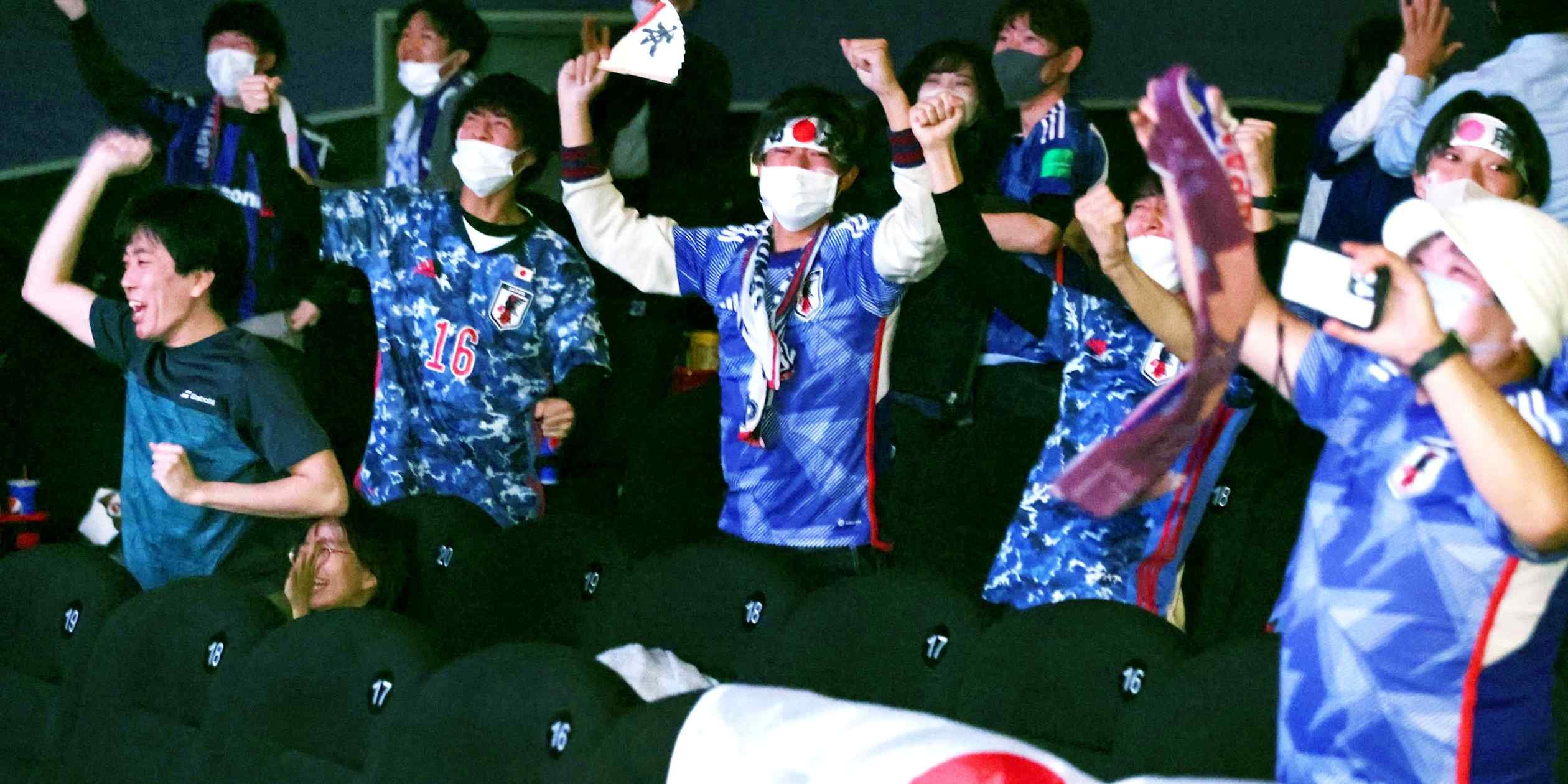
The core problem is arithmetic. Live sport commands premium pricing because it aggregates a mass audience in real time, the one thing advertisers still cannot reliably buy anywhere else. That premium assumes the audience is actually awake. Kickoffs timed for North American prime time translate into 3 a.m. and 4 a.m. windows across East Asia, gutting the live viewership that justifies the fees. A broadcaster cannot sell prime-time ad inventory against a match no one is watching live, and delayed broadcasts shed most of their value the moment a result is known. FIFA is asking buyers to pay escalating prices for inventory whose commercial premise has been quietly removed by the calendar.
The rights market FIFA is selling into has already changed
The timing collides with a structural shift in how the region consumes content. Linear television, the buyer that historically absorbed World Cup rights and recouped through advertising and carriage fees, is in decline across developed Asian markets. Streaming has absorbed both the audience and the spending, and the streaming players value rights differently. They are buying subscriber acquisition and retention, not ad reach, which changes what a tournament is worth and how much risk a distributor will take on a fixed multi-year fee.
That recalibration is visible in DAZN, the sports streaming service, which has chosen to forgo exclusive World Cup broadcast rights in Japan in favor of a broader distribution play. Walking away from exclusivity is a notable strategic statement. Exclusivity is the lever that lets a rights holder raise prices and force subscriptions, and it has been the foundation of the streaming-sports land grab of the past several years. Declining it suggests DAZN has concluded that the cost of locking down a tournament airing largely overnight exceeds the subscriber lift it would generate. For FIFA, losing exclusivity as a selling point removes one of its strongest pricing tools in a major market.
What it means for the rights model
FIFA's revenue ambitions for 2026 rest heavily on an expanded 48-team format and the assumption that more matches plus a North American host equals record commercial returns. The North American venues maximize value in the Americas and Europe while penalizing the Asian markets that supply the raw audience numbers FIFA cites when it sets global expectations. The federation is, in effect, optimizing for one region's clock at the expense of another's, then asking the disadvantaged region to keep paying as if nothing changed.
The broader pattern extends well beyond football. Every major sports rights holder, from European football leagues to motorsport to cricket, is confronting the same tension: legacy fee structures were built for a world of national broadcasters and prime-time mass audiences, and that world is fragmenting into streaming subscriptions, variable time zones and audiences that increasingly consume highlights rather than full live matches. The buyers that remain are more disciplined, more data-driven about what an hour of attention is actually worth, and less willing to underwrite the seller's growth targets.
The near-term outcome in Asia will likely be a mix of lower fees, more shared and non-exclusive deals, and packages weighted toward digital clips and on-demand rather than live linear broadcast. None of that produces the headline numbers FIFA has trained the market to expect. The 2026 tournament will still draw enormous global audiences, but the gap between FIFA's pricing ambitions and what Asian distributors will actually pay points to a slower, structural reset in how live sport gets valued. The audience has not disappeared. The willingness to pay yesterday's prices for it has.
Comments
Please log in or register to join the discussion