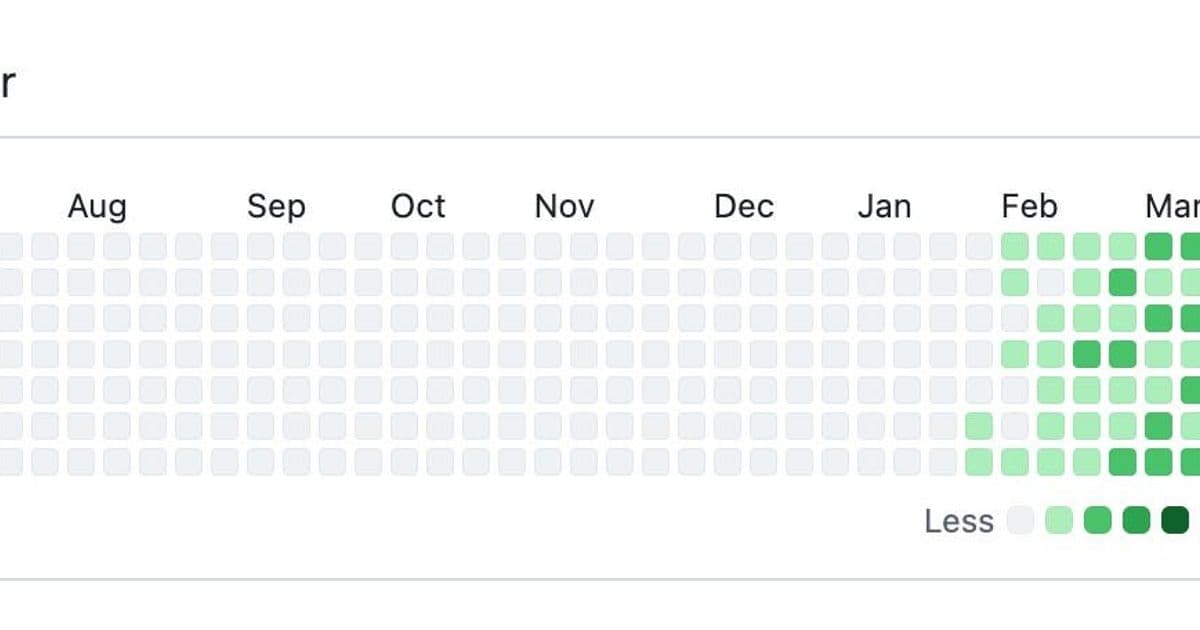
Meta's Mark Zuckerberg and Y Combinator's Garry Tan are returning to hands-on coding after years away, using AI tools to ship code again. This trend signals a shift in how technical leaders engage with software development.
The tech industry is witnessing an unexpected trend: high-profile founders and CEOs are returning to hands-on coding, powered by AI tools that make development more accessible than ever.
Zuckerberg Ships Diffs After 20 Years
Meta CEO Mark Zuckerberg has reportedly started landing diffs again after a two-decade hiatus from active coding. According to sources familiar with the matter, Zuckerberg has been using AI coding assistants to contribute directly to Meta's codebase, marking a significant shift in how technical leaders engage with their products.
The return to coding comes as AI tools have dramatically lowered the barrier to entry for software development. What once required deep expertise in syntax and debugging can now be accomplished through natural language prompts and AI-assisted code generation.
Garry Tan's AI Coding Revival
Y Combinator President Garry Tan has also jumped back into coding, 15 years after stepping away from hands-on development. Tan has been vocal about using AI agents to build projects, sharing his experiences with the YC community and demonstrating how modern tools can accelerate development cycles.
This trend of technical founders returning to coding isn't just about nostalgia—it represents a fundamental shift in how software is built. When CEOs and founders can directly prototype ideas and ship features, it creates a tighter feedback loop between vision and execution.
Why This Matters
The resurgence of founder-led coding has several implications:
Faster Iteration: Leaders can quickly test ideas without waiting for engineering resources
Better Product Decisions: Direct coding experience helps founders understand technical constraints and possibilities
Cultural Impact: When executives code, it signals to the entire organization that technical excellence matters
AI Tool Validation: Having high-profile users provides real-world testing for AI coding assistants
The AI Coding Tool Landscape
Several AI coding tools have emerged as favorites among technical leaders:
- GitHub Copilot: The most established player with deep IDE integration
- Claude Code: Anthropic's coding assistant (currently facing challenges)
- Cursor: An AI-native IDE gaining popularity
- Windsurf: Another emerging AI coding platform
Challenges and Controversies
Not everything is smooth sailing in the AI coding world. Claude Code recently faced a significant setback when its source code was accidentally leaked through an uploaded sourcemap file. The leak revealed that Claude Code uses anti-distillation techniques to prevent competitors from copying its models, and hinted at future features like always-on background agents.
The incident raises questions about security practices in AI tool development and the competitive dynamics of the space.
Copyright Questions Emerge
Anthropic's recent DMCA copyright strikes have sparked debate about whether AI-generated code can be copyrighted. If a codebase is fully generated by AI, who owns the copyright? This question becomes increasingly relevant as more code is produced through AI assistance.
Industry-Wide Impact
The trend extends beyond individual founders. Meta has set ambitious targets for AI-generated code, aiming to have a significant portion of its codebase created or assisted by AI tools. This represents a major shift in how large tech companies approach software development.
GitHub, meanwhile, is dealing with the fallout from six years of reliability issues while also navigating the challenges of rolling out and then rolling back ads in Copilot. The company faces pressure to maintain its position as the central hub for software development while adapting to an AI-first world.
The Future of Coding
As AI tools become more sophisticated, we're likely to see more technical leaders return to coding. The combination of natural language interfaces, intelligent code completion, and automated debugging means that coding is becoming more accessible to people with strong technical intuition but less recent hands-on experience.
This democratization of coding could lead to more innovative products and faster development cycles, but it also raises questions about code quality, security, and the role of traditional software engineering practices.
What to Watch
Several trends are worth monitoring:
- Code Quality: How does AI-assisted code compare to traditionally written code?
- Security: Can AI tools maintain security standards at scale?
- Team Dynamics: How do AI coding tools affect team collaboration and knowledge sharing?
- Skill Evolution: What new skills will developers need in an AI-assisted world?
Conclusion
The return of founders to coding, powered by AI tools, represents a significant shift in the software development landscape. As technical leaders like Zuckerberg and Tan demonstrate the potential of these tools, we can expect broader adoption across the industry.
However, this trend also brings challenges around code quality, security, and the evolving role of software engineers. The next few years will be crucial in determining how AI tools reshape the fundamental practices of software development.
The key question isn't whether AI will change coding—it's how quickly and completely the industry will adapt to this new paradigm.
Comments
Please log in or register to join the discussion