The FreeBSD project's laptop support initiative is making progress toward a KDE Plasma desktop installation option for FreeBSD 15.1, alongside new NVIDIA driver integration and broader hardware compatibility improvements.
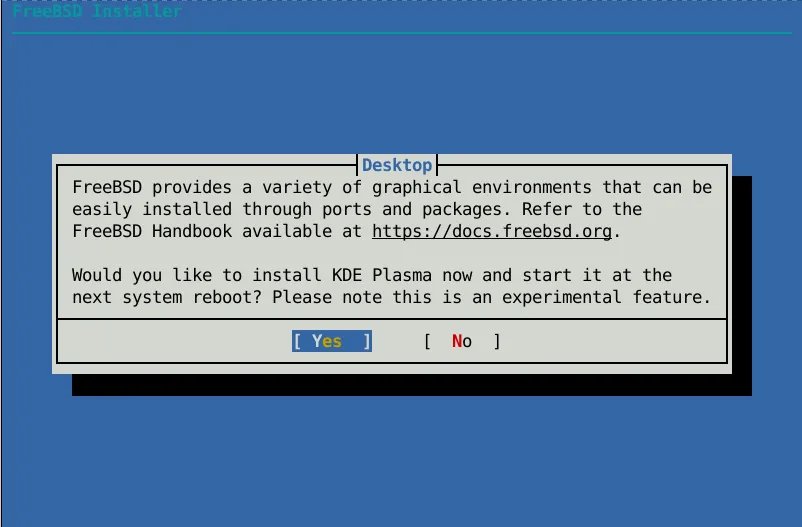
The FreeBSD project's ongoing laptop support enhancements are targeting a significant usability improvement for FreeBSD 15.1: a KDE Plasma desktop installation option directly within the FreeBSD installer. This initiative, part of the broader FreeBSD laptop support project, aims to eliminate the traditional workflow of installing a command-line FreeBSD system and then manually installing a desktop environment post-install.

The KDE desktop option was originally targeted for FreeBSD 15.0 but didn't meet the release timeline. According to a December 2025 status update from the FreeBSD Foundation, the installer integration is still a work-in-progress but remains a key goal for FreeBSD 15.1. This effort is being driven by KDE developers specifically focused on enhancing the FreeBSD laptop experience.
New NVIDIA Driver Integration
In parallel with the KDE installer work, the FreeBSD installer has recently gained a new NVIDIA GPU driver selection menu. This addition allows users to opt for NVIDIA driver installation during the initial OS setup, streamlining the process for users with NVIDIA graphics hardware. The FreeBSD team has been testing KDE Plasma desktop compatibility with Intel, AMD, and generic VESA graphics drivers, and the NVIDIA option expands this testing to a broader hardware base.
The installer code has been refactored to support these new hardware selection options, representing a significant architectural improvement to FreeBSD's installation process. This refactoring enables more modular hardware driver selection during installation, which will likely benefit future hardware support additions.
Broader Laptop Initiative Progress
The FreeBSD laptop support project extends far beyond the installer improvements. Key areas of ongoing development include:
Power Management: Work continues on s0ix power management support and S4 hibernation functionality, both critical for laptop battery life and system state preservation.
Wireless Connectivity: Support for Realtek and Mediatek WiFi adapters remains under active development, addressing a common pain point for laptop users.
Graphics Driver Porting: The project involves porting newer Linux graphics driver code to FreeBSD, which helps maintain compatibility with modern hardware while leveraging existing driver development work.
Virtualization Support: VirtualBox and VMware compatibility improvements are also on the roadmap, important for developers and testers running FreeBSD in virtualized environments.
Implementation Timeline and Testing
The FreeBSD Foundation's December 2025 update indicates that while the KDE installer option is progressing, it requires additional testing and refinement. The team is conducting comprehensive testing across Intel and AMD graphics platforms, as well as with the generic VESA driver, to ensure stability before the FreeBSD 15.1 release.
The NVIDIA driver integration appears to be further along, having been recently added to the installer. This suggests that users with NVIDIA hardware may see benefits sooner, even if the full KDE desktop installer option requires more development time.
Impact on FreeBSD Adoption
These improvements address long-standing barriers to FreeBSD adoption on laptops and desktop systems. By reducing the post-install configuration burden, FreeBSD becomes more accessible to users who prefer a graphical desktop experience from the outset. The laptop-specific enhancements also make FreeBSD more competitive with Linux distributions for mobile computing scenarios.
The project's approach—methodically improving hardware compatibility, power management, and installer usability—demonstrates a pragmatic focus on real-world deployment challenges rather than purely technical exploration.
For users interested in tracking these developments, the FreeBSD Foundation provides regular updates on their laptop initiative, and the FreeBSD project welcomes testing and feedback from the community as these features mature toward FreeBSD 15.1.
Comments
Please log in or register to join the discussion