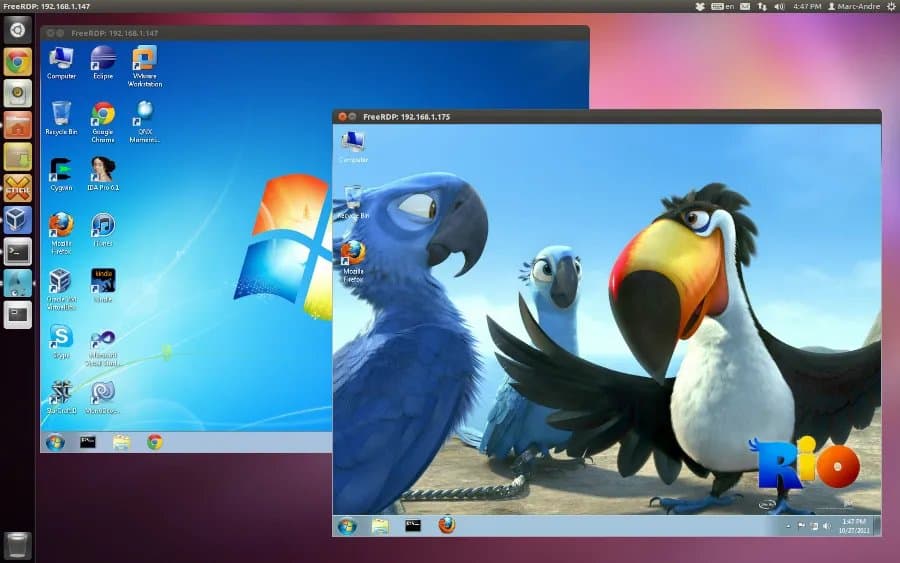
FreeRDP 3.24 addresses eight security vulnerabilities while adding C23 compiler support and enhancing X11/SDL3 clients.
The FreeRDP project has released version 3.24 of its open-source Remote Desktop Protocol implementation, delivering critical security fixes alongside expanded platform support and improved client functionality. This update addresses eight security advisories discovered in 2026, making it essential for organizations relying on FreeRDP for remote desktop access.
Security Updates Take Priority
The most significant aspect of FreeRDP 3.24 is its comprehensive security overhaul. Eight security advisories have been resolved in this release, though specific vulnerability details remain limited in the initial announcement. Given FreeRDP's role in enabling remote desktop connections across potentially untrusted networks, these fixes likely address authentication bypasses, memory corruption issues, or other attack vectors that could compromise remote sessions.
Organizations using FreeRDP for enterprise remote access should prioritize upgrading, as the nature of RDP implementations makes them frequent targets for exploitation. The security fixes span the entire codebase, reflecting the project's commitment to maintaining a robust security posture.
Enhanced Development Tooling
FreeRDP 3.24 introduces full C23 compiler support, allowing developers to leverage the latest C language features while maintaining C11 as the default target. This dual-support approach provides flexibility for projects that may want to experiment with newer language constructs without breaking compatibility with existing codebases.
The compiler upgrade enables better optimization opportunities and access to modern language safety features, potentially reducing certain classes of memory-related vulnerabilities in future development.
X11 Client Improvements
X11 users will find substantial enhancements in this release, particularly around window management and session stability. The rails window locking functionality has been improved, addressing issues where remote application windows might behave unpredictably when interacting with native X11 window managers.
Additional X11 rails improvements suggest better integration between remote applications and the desktop environment, potentially including smoother window resizing, improved focus management, and more reliable clipboard synchronization between local and remote sessions.
SDL3 Client Advancements
The SDL3 RDP client also receives attention in version 3.24, though specific improvements aren't detailed in the release notes. Given SDL3's focus on modern graphics APIs and improved input handling, these changes likely enhance rendering performance and reduce latency in graphical applications accessed through FreeRDP.
SmartCard and Proxy Enhancements
SmartCard support sees improvements, likely addressing compatibility with newer authentication tokens and enterprise security hardware. This is particularly relevant for organizations using smart cards for multi-factor authentication in remote desktop scenarios.
The RDP proxy component now supports RFX graphics mode, a codec designed for lossless compression of remote desktop content. This addition provides an alternative to existing codecs like RDP6 and RDP8, potentially offering better quality for applications where visual fidelity is critical, such as CAD software or detailed graphical analysis tools.
Availability and Migration
FreeRDP 3.24 is available immediately through the project's GitHub repository, with source code and build instructions provided for all supported platforms. The release maintains backward compatibility with existing configurations, making migration straightforward for most users.
Given the security fixes and functional improvements, organizations should plan to upgrade within their next maintenance window. The combination of security patches, compiler support improvements, and client enhancements makes FreeRDP 3.24 a compelling update for both enterprise and individual users of the remote desktop protocol.
For detailed technical information, including specific security advisory numbers and implementation details, users should consult the project's GitHub release notes and security documentation.
Comments
Please log in or register to join the discussion