
European data regulators issued €1.2 billion in GDPR fines during 2025, while daily breach notifications exceeded 400 for the first time since the regulation's inception, signaling a new phase of intense enforcement amid growing cyber threats and overlapping compliance regimes.
European data protection authorities have crossed a significant threshold in GDPR enforcement, issuing €1.2 billion (£1 billion) in fines during 2025—a figure that brings the cumulative total since the regulation's May 2018 inception to €7.1 billion (£6.2 billion). This milestone coincides with a dramatic surge in breach reporting, with regulators receiving an average of 443 personal data breach notifications per day from January 28, 2025, to the present. This represents a 22% year-over-year increase and marks the first time daily reports have consistently exceeded 400 since GDPR came into force.
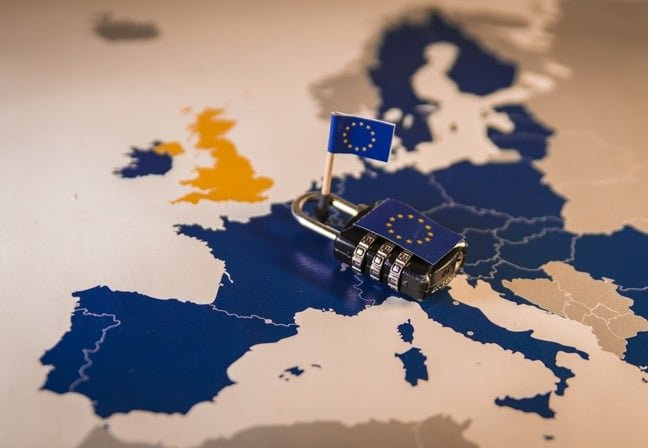
The figures, drawn from DLA Piper's latest GDPR Fines and Data Breach Survey, reveal a maturing enforcement landscape where penalties have become routine and breach reporting has accelerated beyond previous patterns. While the €1.2 billion total for 2025 represents only a modest increase from 2024's £996 million, the sheer volume of daily breach notifications—443 per day—suggests organizations are grappling with both increased cyber threats and more stringent reporting requirements.
The Perfect Storm Driving Breach Surge
DLA Piper's analysis avoids attributing the surge to a single cause, instead identifying multiple converging factors. Geopolitical tensions have created complex data transfer scenarios, while the proliferation of accessible attack tooling has lowered the barrier to entry for cybercriminals. Repeated cyber incidents across critical infrastructure and corporate networks have compounded the problem.
Perhaps most significantly, organizations now face overlapping regulatory regimes that have raised the baseline for disclosure. The Network and Information Security Directive 2 (NIS2) and the Digital Operational Resilience Act (DORA) impose their own incident reporting requirements, creating a compliance matrix that demands rapid notification under multiple frameworks. This regulatory overload means a single security incident can trigger parallel reporting obligations with different timelines and thresholds.
Ross McKean, chair of DLA Piper's UK data, privacy, and cybersecurity practice, frames the statistics as a warning rather than mere data points. "Confirmation of such a significant increase in personal data breach notifications in black and white is, for me, the quieting canary," he stated. "Coupled with the slew of new cybersecurity laws impacting business, some of which impose personal liability on members of management bodies, our report underscores the urgency and need for organizations to optimize cyber defences and operational resilience."
Enforcement Concentration and Big Tech Focus
GDPR enforcement remains heavily concentrated, with Ireland's Data Protection Commission (DPC) continuing to dominate the landscape. The Irish regulator has now issued €4.04 billion in cumulative fines since 2018, accounting for more than half of all GDPR penalties across Europe. This concentration reflects both Ireland's role as the lead regulator for many multinational tech companies and the DPC's aggressive enforcement posture.
France and Luxembourg follow as the next most active enforcers, but with totals far below Ireland's, highlighting how a small number of regulators drive the majority of enforcement action. This concentration raises questions about regulatory consistency and whether other European data protection authorities are adequately resourced to match the scale of enforcement seen in Ireland.
Big tech remains the primary target for substantial penalties. Nine of the ten largest GDPR fines on record have been levied against technology giants, with the pattern continuing in 2025. Ireland's €530 million fine against TikTok over unlawful international data transfers represents the largest single penalty of 2025, though it falls short of the current record: Meta's €1.2 billion sanction issued two years earlier.
The Compliance Burden Intensifies
Seven years after GDPR's implementation, the regulation appears to have found its enforcement rhythm. Organizations can no longer view GDPR compliance as a one-time project but must maintain continuous monitoring and rapid response capabilities. The surge in breach notifications suggests that while detection and reporting have improved, prevention remains challenging.
The rise in daily breach reports coincides with increased scrutiny of cross-border data transfers, particularly following the invalidation of Privacy Shield and the subsequent adoption of the EU-U.S. Data Privacy Framework. Companies operating transatlantically must navigate complex legal mechanisms while managing the operational burden of multiple reporting regimes.
For homelab builders and small businesses, these trends have practical implications. Even modest data processing operations now require documented security measures, breach response plans, and understanding of notification timelines. The €530 million TikTok fine demonstrates that regulators are willing to impose substantial penalties even for procedural violations like improper data transfer mechanisms, not just for security failures.
Looking Ahead: Enforcement Trajectory
The €1.2 billion in 2025 fines and 443 daily breach notifications represent a new baseline for GDPR enforcement. As cyber threats evolve and regulatory frameworks multiply, organizations must invest in both technical controls and compliance processes. The trend suggests that 2026 will likely see continued high volumes of breach reporting and substantial fines, particularly as regulators gain experience and resources.
The concentration of enforcement in Ireland raises questions about whether other European regulators will increase their activity to match the scale of the DPC's efforts. With NIS2 and DORA adding layers of complexity, the compliance landscape for data protection and cybersecurity has never been more demanding.
For organizations seeking to optimize their posture, the data points to several priorities: robust incident detection and response capabilities, clear data transfer mechanisms, and comprehensive documentation of security measures. The "quieting canary" of breach notifications suggests that while awareness has increased, the underlying threats and compliance challenges show no signs of abating.
DLA Piper's GDPR Fines and Data Breach Survey European Data Protection Board Irish Data Protection Commission NIS2 Directive Overview Digital Operational Resilience Act (DORA)
Comments
Please log in or register to join the discussion