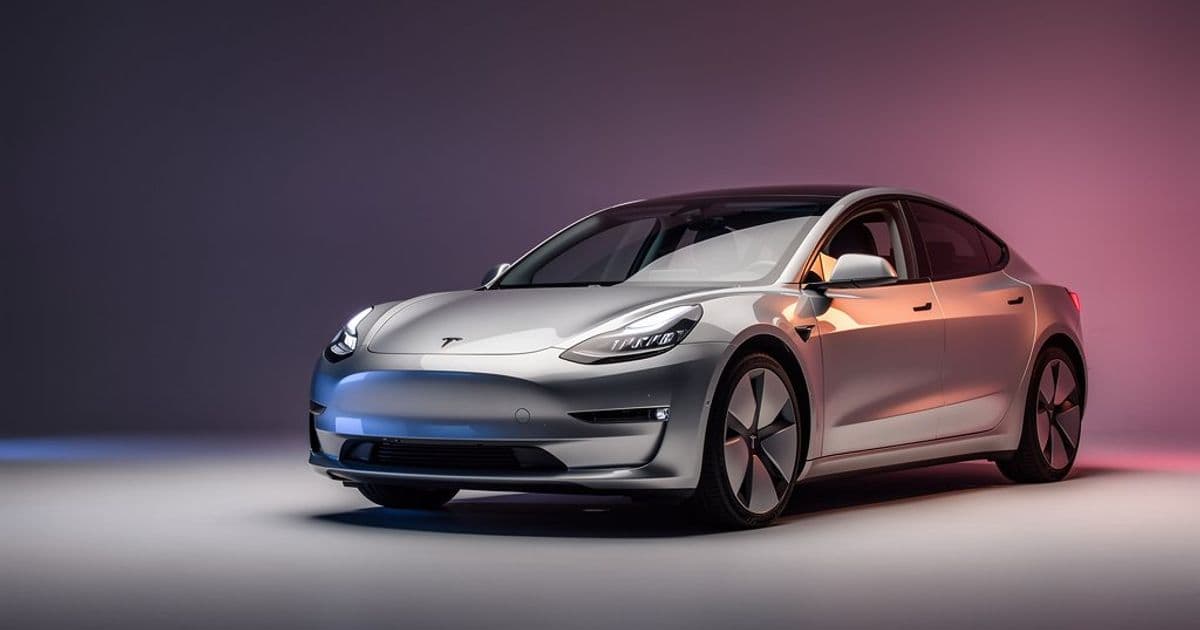
Chinese automaker Geely aims to increase global vehicle sales by 60% to 6.5 million units by 2030, positioning itself to potentially displace established players in the global automotive top five.
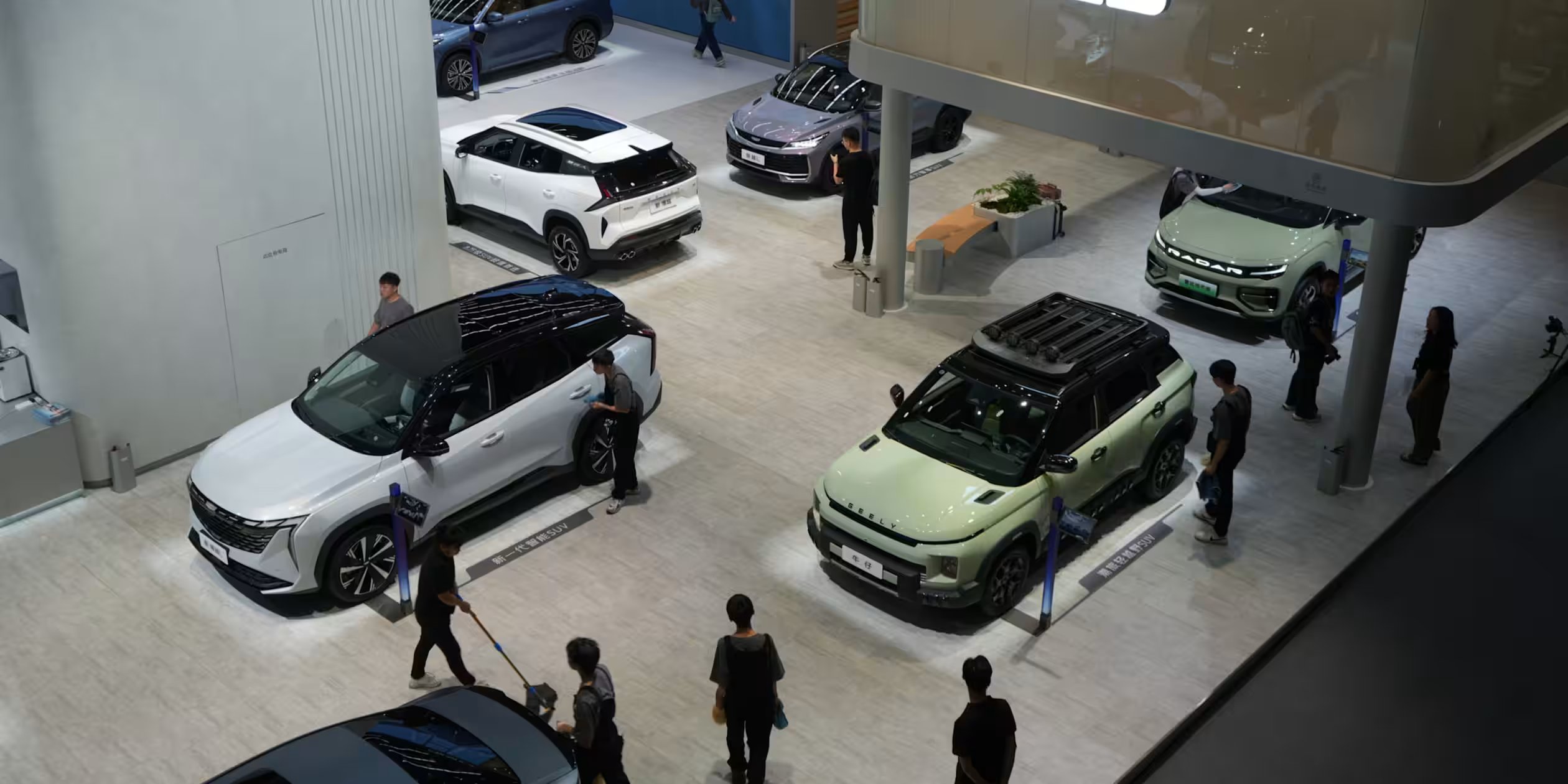
Chinese automaker Zhejiang Geely Holding Group has unveiled an ambitious growth strategy targeting global sales of 6.5 million vehicles by 2030, representing a 60% increase over its projected 2025 sales volume. This aggressive expansion plan positions the privately-owned manufacturer to potentially join the ranks of the world's top five automotive groups within six years.
Geely's growth trajectory significantly outpaces overall market projections. According to industry analysts, achieving this target would require maintaining a compound annual growth rate (CAGR) of approximately 10% through 2030—nearly double the projected global auto market growth rate of 5-6% during the same period. The company currently ranks among the top 10 global automakers by volume, with 2023 sales exceeding 1.5 million vehicles.
Strategic Expansion Drivers
Three core strategies underpin Geely's expansion roadmap:
- Electric Vehicle Acceleration: Geely is allocating over $10 billion toward EV development through its Geometry, Zeekr, and Polestar brands. The company aims for EVs to represent 60% of total sales by 2025, increasing to over 80% by 2030.
- Global Market Penetration: Beyond its dominant position in China (which accounted for 67% of 2023 sales), Geely is expanding manufacturing footholds in Europe through its ownership of Volvo Cars and Lotus, while simultaneously developing new markets in Southeast Asia, Latin America, and the Middle East.
- Technology Platform Leverage: The company's Sustainable Experience Architecture (SEA) electric platform reduces development costs by 30% and speeds time-to-market for new models. This scalable architecture currently underpins 16 vehicle models across seven brands.
Competitive Landscape Implications
Geely's ascent threatens to disrupt the current automotive hierarchy dominated by Toyota, Volkswagen Group, Hyundai-Kia, Stellantis, and General Motors. Displacing any of these incumbents would require Geely to:
- Increase overseas sales from 33% to over 50% of total volume
- Establish competitive pricing in premium segments through brands like Lynk & Co
- Navigate increasing trade barriers in Western markets
Financial and Production Requirements
Meeting the 6.5 million target implies:
- Adding production capacity equivalent to two additional Tesla Gigafactories
- $15-20 billion in capital expenditures for manufacturing expansion
- Tripling annual R&D investment from current $2.3 billion levels
Market analysts note significant execution risks including potential overcapacity in China, ongoing semiconductor shortages, and geopolitical trade tensions. However, Geely's successful integration of Volvo—which saw operating margins increase from 1.3% to 7% under Geely ownership—demonstrates the company's ability to manage complex global operations.
The 2030 target represents more than corporate ambition—it signals China's broader strategy to dominate next-generation automotive manufacturing. With Chinese automakers projected to surpass Japanese manufacturers in global sales by 2025 according to S&P Global Mobility, Geely's growth trajectory provides a case study in how China's industrial policy and manufacturing scale are reshaping global automotive hierarchies.
Comments
Please log in or register to join the discussion