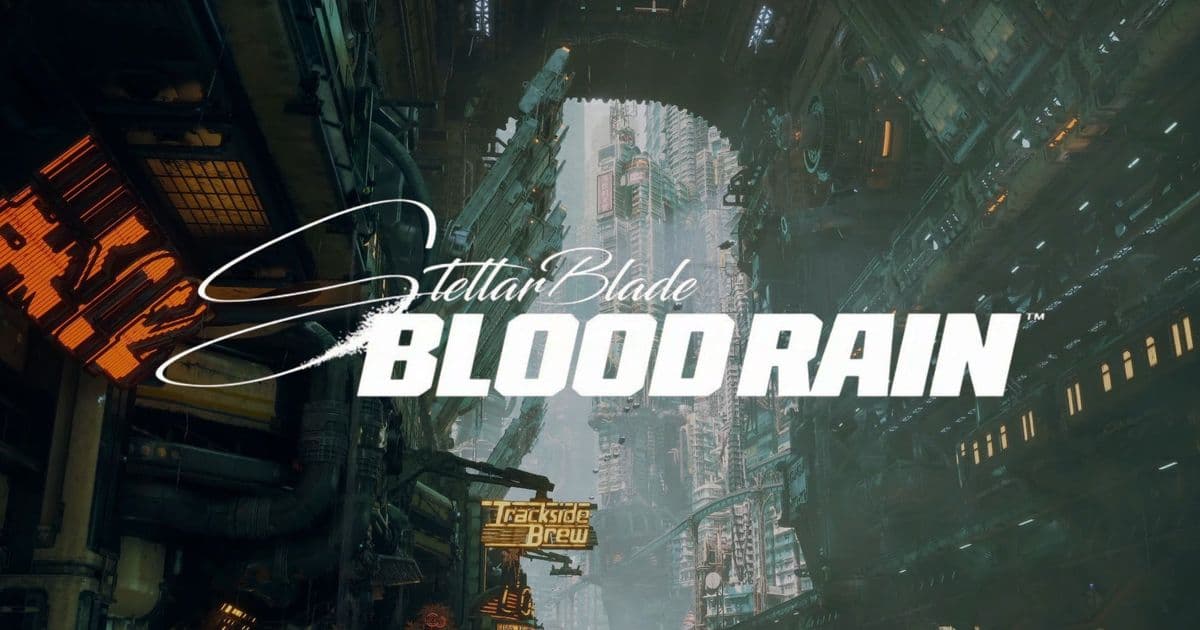
The use of generative AI in the Stellar Blade: Blood Rain promotional materials has raised concerns about potential alienation of Chinese players, who constitute over 60% of the game's audience. Issues with incoherent Chinese text and AI-generated artwork could impact sales for the highly anticipated sequel.
The recent Stellar Blade: Blood Rain trailer, unveiled at Summer Game Fest 2026, has ignited controversy over its apparent use of generative AI in production. As game developers increasingly incorporate AI tools into their workflows, the scrutiny of such practices intensifies, particularly when it affects key markets like China.
What's New: AI Detection in the Blood Rain Trailer
The promotional materials for Stellar Blade: Blood Rain contain several telltale signs of AI-assisted production. Daniel Camilo, a prominent gaming industry analyst, highlighted problematic Chinese characters in the trailer that fail to translate coherently. These linguistic errors could significantly impact reception from Chinese players, who represent the largest segment of Stellar Blade's audience.
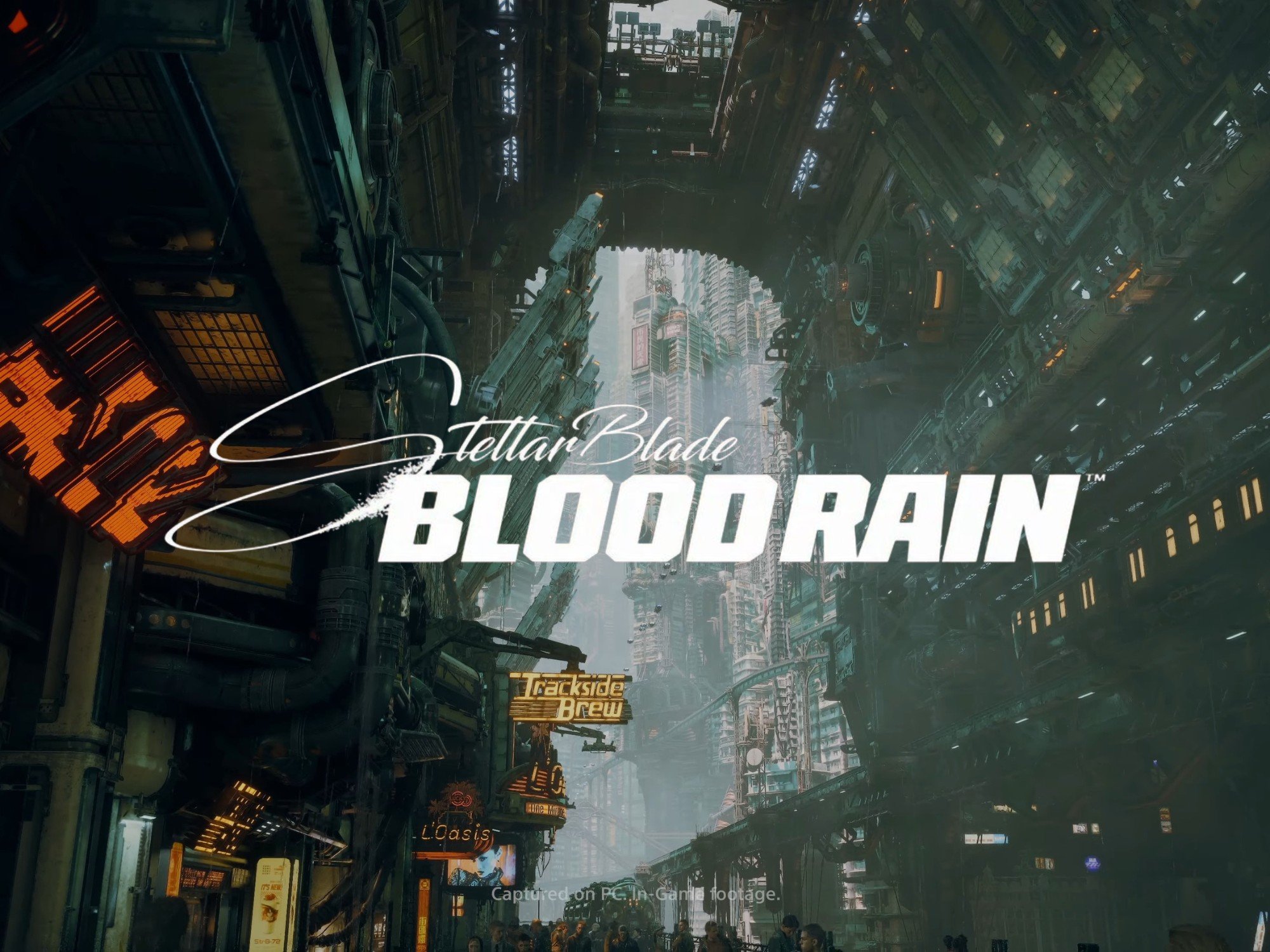
The key art used by Shift Up to promote the sequel shows windows on buildings that exhibit characteristics typical of AI-generated content—often referred to in industry circles as "AI slop." These visual inconsistencies, combined with the translation issues, suggest that AI tools played a substantial role in creating the promotional materials.
How It Compares: Previous Reception and Market Performance
Stellar Blade, originally a PS5 exclusive, made its debut on Steam in June 2025. The PC port's performance exceeded analyst expectations, with Gamalytic data revealing that over 60% of the game's audience hailed from China. This demographic dominance makes the Chinese market crucial for the sequel's commercial success.
The game's setting, which appears to draw inspiration from Chongqing, adds another layer of complexity. Players familiar with the Chinese city might notice both familiar elements and inconsistencies that could detract from immersion if they perceive the environment as AI-generated rather than authentically crafted.
Who It's For: Potential Impact on Different Player Segments
For Chinese players, the AI-generated content presents several concerns. First, the incoherent Chinese text suggests a lack of attention to detail that could extend to other aspects of localization. Second, the reliance on AI for visual elements might raise questions about the game's overall production quality and authenticity.
The international gaming community has also expressed divided opinions. Some players appreciate the efficiency AI brings to development, while others worry about the potential homogenization of game aesthetics and the displacement of human artists and translators.
Industry Context: AI in Game Development
Shift Up CEO Kim Hyung-tae has been a vocal supporter of AI technology in game development. He has previously explained that smaller Korean companies like Shift Up need these tools to compete with larger Western and Chinese studios. However, the CEO maintains that AI should enhance productivity rather than replace human creativity in asset creation.
This stance reflects a growing trend in the industry where AI serves as a辅助工具 rather than a replacement for human talent. The debate mirrors similar discussions in other creative fields, from art to music, where AI's role remains contentious.
Commercial Implications: Sales and Market Considerations
The potential backlash against AI-generated content could have significant commercial implications. With Chinese players constituting more than 60% of Stellar Blade's audience, even a modest reduction in appeal could substantially impact sales. This risk is particularly concerning given the competitive nature of the action RPG genre.
The game's transition from PS5 exclusive to multi-platform release suggests Shift Up aims to expand its audience. However, the AI controversy could complicate this strategy, especially if players perceive the sequel as cutting corners in production.
Technical Considerations: AI Limitations and Quality Control
The issues observed in the Blood Rain trailer highlight current limitations in AI-generated content. While machine learning has improved in creating convincing images and videos, text generation—particularly in languages with complex character systems like Chinese—remains problematic. These technical challenges underscore the importance of human oversight in AI-assisted production.
The suspicious artwork might be placeholders intended for replacement before the final release. However, the decision to use them in a high-profile trailer suggests either time constraints or inadequate quality control processes.
Broader Trends: AI and Player Expectations
The Stellar Blade: Blood Rain situation reflects broader tensions between technological innovation and player expectations. As AI becomes more prevalent in game development, studios must balance efficiency gains with maintaining quality and authenticity. Players increasingly demand transparency about how games are made and may respond negatively to perceived shortcuts.
This controversy also highlights the importance of cultural sensitivity in global game development. AI tools trained primarily on Western datasets may struggle with accurate representation of non-Western cultures and languages, potentially leading to the kind of issues observed in the Blood Rain trailer.
Conclusion: Navigating the AI Landscape
As Stellar Blade: Blood Rain approaches its release date, Shift Up faces the challenge of addressing concerns about AI usage while maintaining momentum for the sequel. The studio's approach to these issues could set precedents for how other developers incorporate AI into their workflows while respecting player sensibilities.
For Chinese players in particular, the resolution of these concerns will be crucial. Given their significant presence in Stellar Blade's audience, their reception of the sequel will likely determine its commercial success in the crucial Asian market.
The situation underscores the need for developers to implement rigorous quality control processes when using AI tools, especially for content that will be scrutinized by diverse global audiences. As AI continues to evolve, finding the right balance between technological assistance and human creativity will remain one of the industry's most pressing challenges.
Comments
Please log in or register to join the discussion