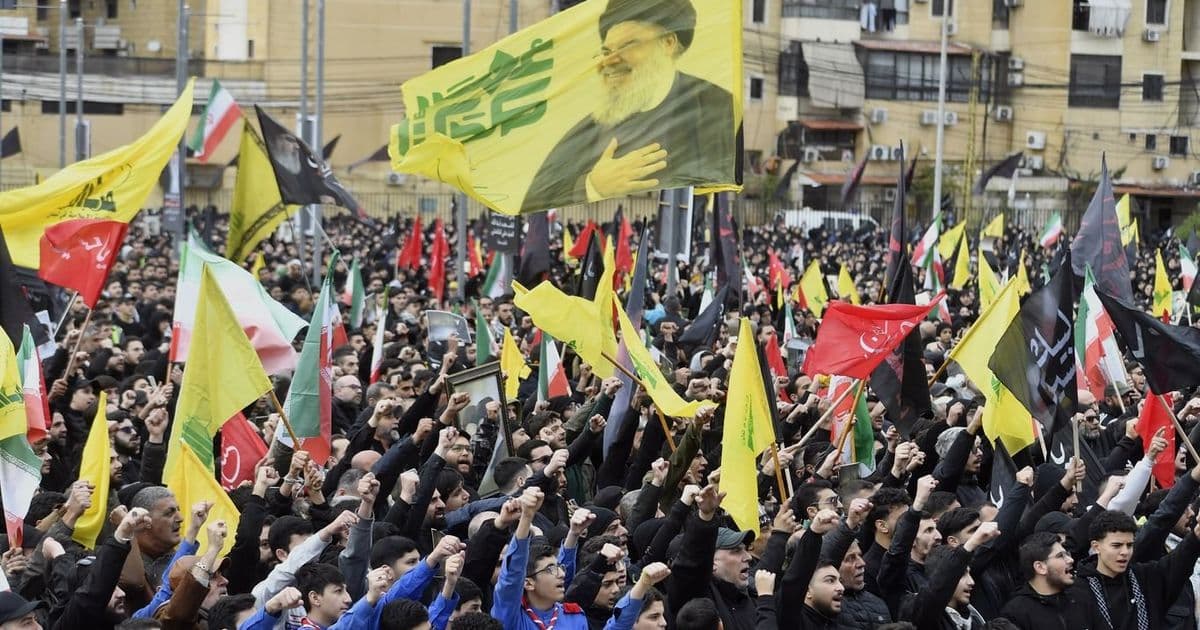
Hezbollah has launched missiles from southern Lebanon into Israel, escalating regional tensions and prompting international concern over potential wider conflict in the Middle East.
Hezbollah has launched a missile attack on Israel from southern Lebanon, marking a significant escalation in the ongoing regional conflict. The militant group fired multiple rockets across the border, targeting Israeli military installations and civilian areas in northern Israel.
This latest attack comes amid heightened tensions in the region, with Hezbollah receiving support from Iran and operating from established positions in southern Lebanon. The group has maintained a substantial military presence in the area, including an arsenal of rockets and missiles capable of reaching deep into Israeli territory.
Israeli defense forces have activated air raid sirens and are responding to the attacks with defensive measures. The Iron Dome missile defense system has been deployed to intercept incoming projectiles, though some missiles have reportedly struck their targets.
Regional Context The missile launch represents a dangerous escalation in the long-standing conflict between Hezbollah and Israel. The group, which is designated as a terrorist organization by several countries, has been engaged in periodic hostilities with Israel since the 2006 Lebanon War.
Hezbollah's actions are widely believed to be coordinated with Iranian interests in the region, as the group receives substantial funding, training, and weapons from Tehran. This latest attack may be part of a broader strategy to pressure Israel while regional tensions remain high.
International Response The international community has expressed concern over the missile attack and its potential to spark a wider conflict. Several nations have called for restraint from all parties involved, warning that further escalation could have severe consequences for regional stability.
Diplomatic efforts are underway to de-escalate the situation, with mediators working to prevent a full-scale military confrontation. The United Nations has reiterated its call for all parties to respect the Blue Line separating Lebanon and Israel and to avoid actions that could lead to further violence.
Historical Precedent This is not the first time Hezbollah has launched missiles from Lebanese territory into Israel. The group has a history of cross-border attacks, particularly during periods of heightened regional tension. The 2006 conflict saw extensive rocket fire from Hezbollah positions in southern Lebanon, resulting in significant damage and casualties on both sides.
Israel has consistently maintained that it will not tolerate attacks from Lebanese territory and has reserved the right to respond militarily to any threats to its security. The country has conducted numerous operations against Hezbollah positions in Lebanon over the years, including targeted strikes on weapons depots and command centers.
Current Situation The situation remains fluid, with both sides on high alert. Israeli military forces are positioned along the northern border, prepared for potential further attacks or a ground incursion if necessary. Hezbollah has reportedly mobilized its forces in southern Lebanon, raising concerns about a possible ground conflict.
Civilians on both sides of the border are being advised to take shelter and follow emergency protocols. The Israeli government has activated emergency response teams and is coordinating with local authorities to ensure public safety.
Looking Ahead The missile attack from Hezbollah represents a dangerous escalation that could have far-reaching consequences for the entire region. If the situation continues to deteriorate, it could draw in other actors and potentially lead to a broader conflict involving multiple states.
The international community will be closely monitoring developments in the coming days, with hopes that diplomatic efforts can prevent further escalation. However, the history of conflict in this region suggests that tensions may continue to rise before any resolution can be achieved.
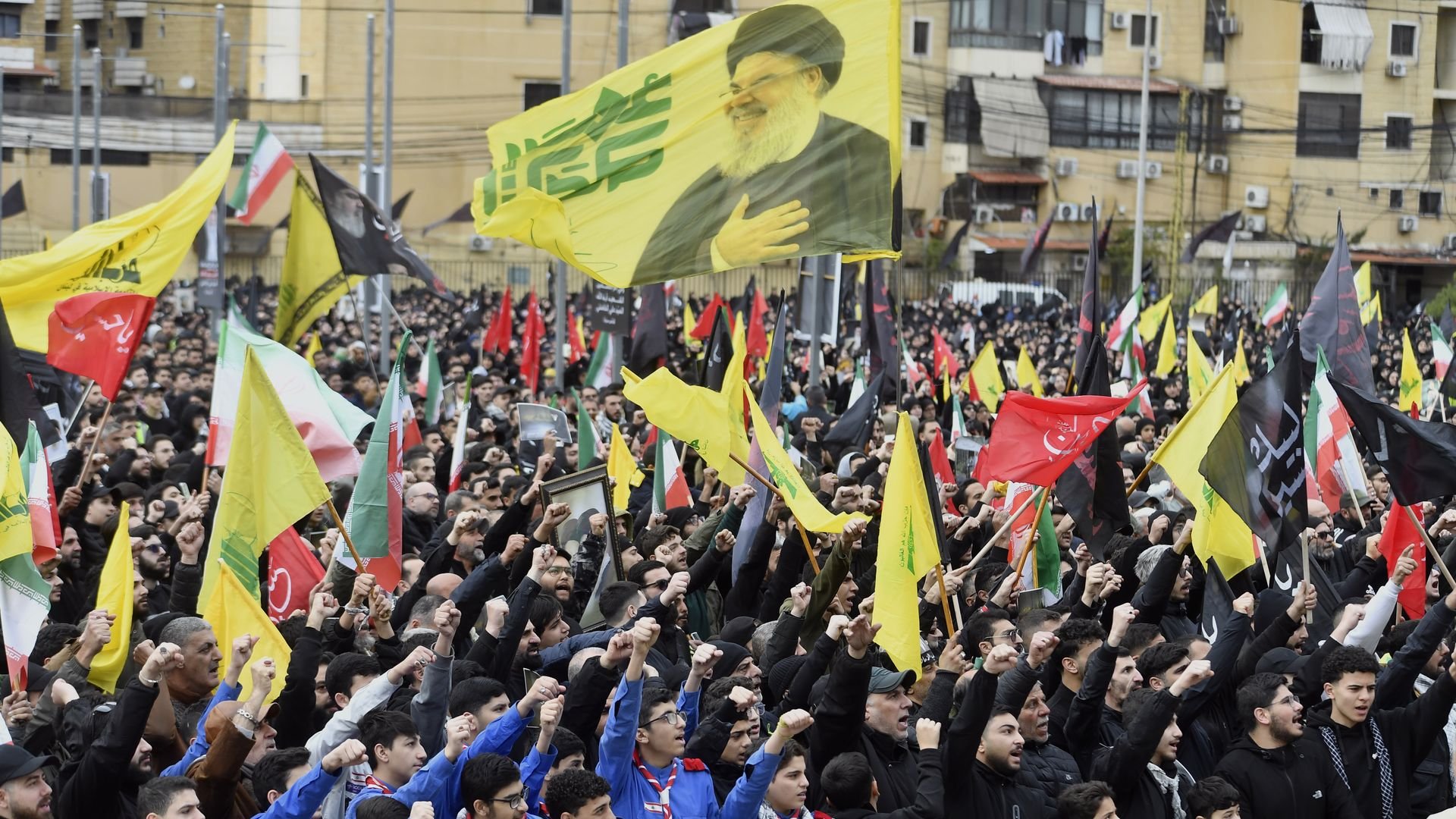
This attack highlights the persistent security challenges facing Israel and the complex web of regional alliances and conflicts that characterize the Middle East. As the situation develops, the potential for further violence remains a significant concern for all parties involved.
Comments
Please log in or register to join the discussion