
House Republicans voted down a Democratic proposal that would have restricted President Trump's ability to take military action against Iran without congressional approval, maintaining GOP support for the administration's maximum pressure campaign.
House Republicans successfully blocked a Democratic attempt to limit President Trump's authority to take military action against Iran, voting down a resolution that would have required congressional approval before any offensive operations against the Islamic Republic.
The vote came as tensions between the U.S. and Iran remain high following the Trump administration's "maximum pressure" campaign, which includes crippling economic sanctions and the 2020 assassination of Iranian General Qasem Soleimani. Democrats argued the measure was necessary to prevent unauthorized military escalation, while Republicans maintained that the president needs flexibility to respond to Iranian threats.
The resolution, introduced by House Foreign Affairs Committee ranking member Gregory Meeks (D-NY), would have amended the War Powers Resolution to explicitly require congressional authorization for any offensive military action against Iran. It failed on a largely party-line vote, with only a handful of Republicans joining Democrats in support.
This legislative battle reflects the broader partisan divide over Iran policy. While Democrats have criticized the Trump administration's approach as provocative and potentially leading to war, Republicans argue that a strong stance is necessary to counter Iran's regional aggression and nuclear ambitions.
The timing is significant given recent escalations in the Persian Gulf, including attacks on commercial shipping and the U.S. military's increased presence in the region. The Trump administration has maintained that existing authorizations for use of military force provide sufficient legal basis for defensive operations, while Democrats contend that any offensive action requires new congressional approval.
The outcome preserves the status quo, allowing the Trump administration to continue its current Iran policy without additional legislative constraints. This includes the administration's stated willingness to use military force in response to Iranian provocations, while maintaining economic pressure through sanctions aimed at forcing Tehran back to negotiations over its nuclear program and regional activities.
Political analysts note that this vote represents a significant victory for the administration's foreign policy agenda, as it prevents Congress from imposing new limits on presidential authority in a volatile region where miscalculation could lead to broader conflict.
The debate also highlights the ongoing tension between executive and legislative branch powers in matters of war and peace, a constitutional question that has persisted across administrations regardless of party affiliation.
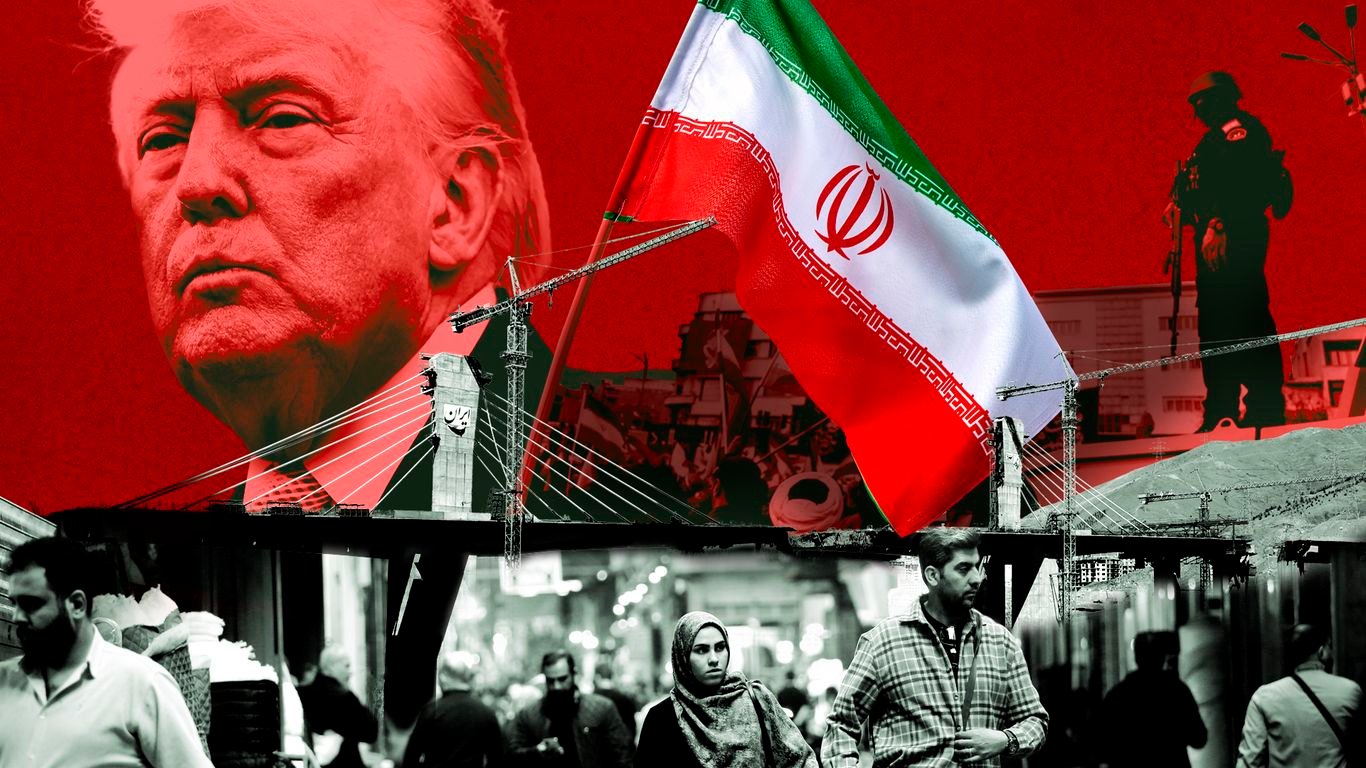

Looking ahead, the failure of this resolution suggests that any significant changes to U.S. Iran policy will likely require either a shift in congressional control or a change in administration, rather than legislative action in the current political environment.
Comments
Please log in or register to join the discussion