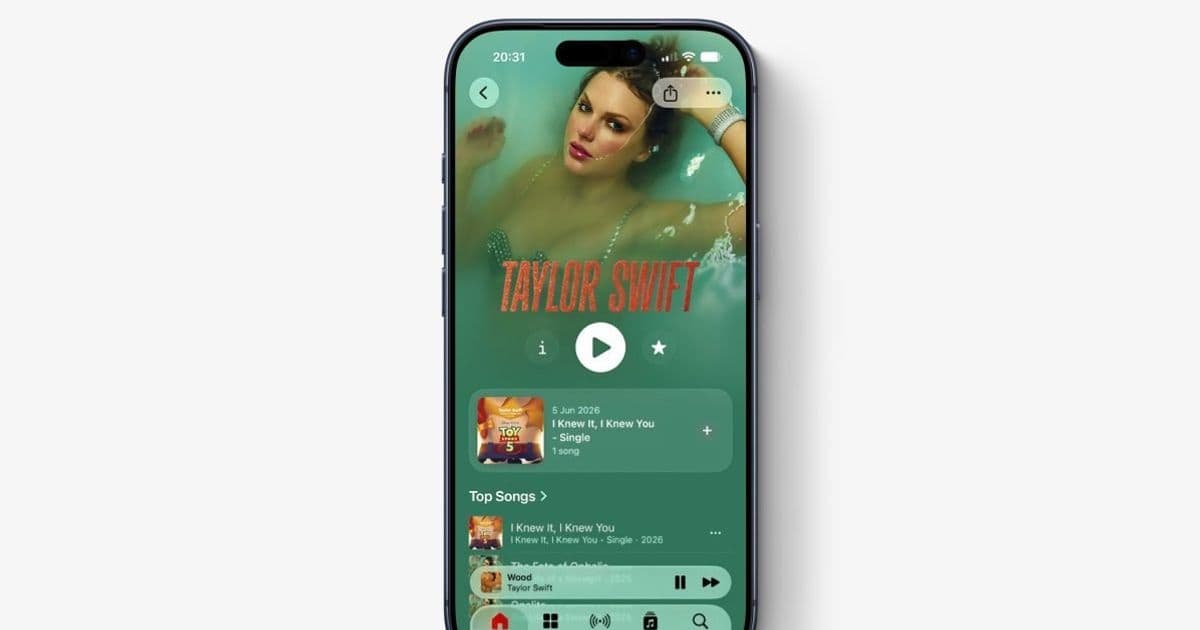
Apple's iOS 27 reworks Apple Music with a redesigned artist page, upgraded AI-driven AutoMix transitions, a Now Playing screen that finally rotates to landscape, and Siri AI integration. Here's what mobile developers and users should expect when the betas mature.
Apple used its WWDC 2026 keynote to outline a round of changes coming to Apple Music in iOS 27. There was no dedicated stage segment for the service this year, just a word cloud slide that name-checked it several times, but beta 1 already exposes enough to map out what is changing and how it affects both listeners and the developers building around Apple's platforms.
What changed
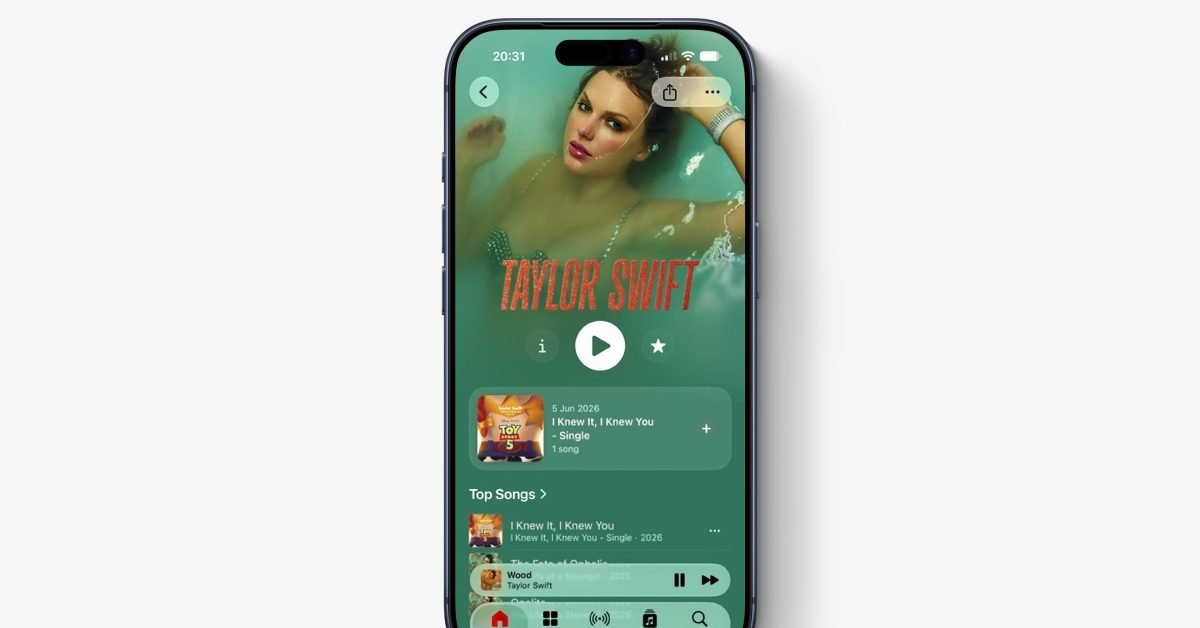
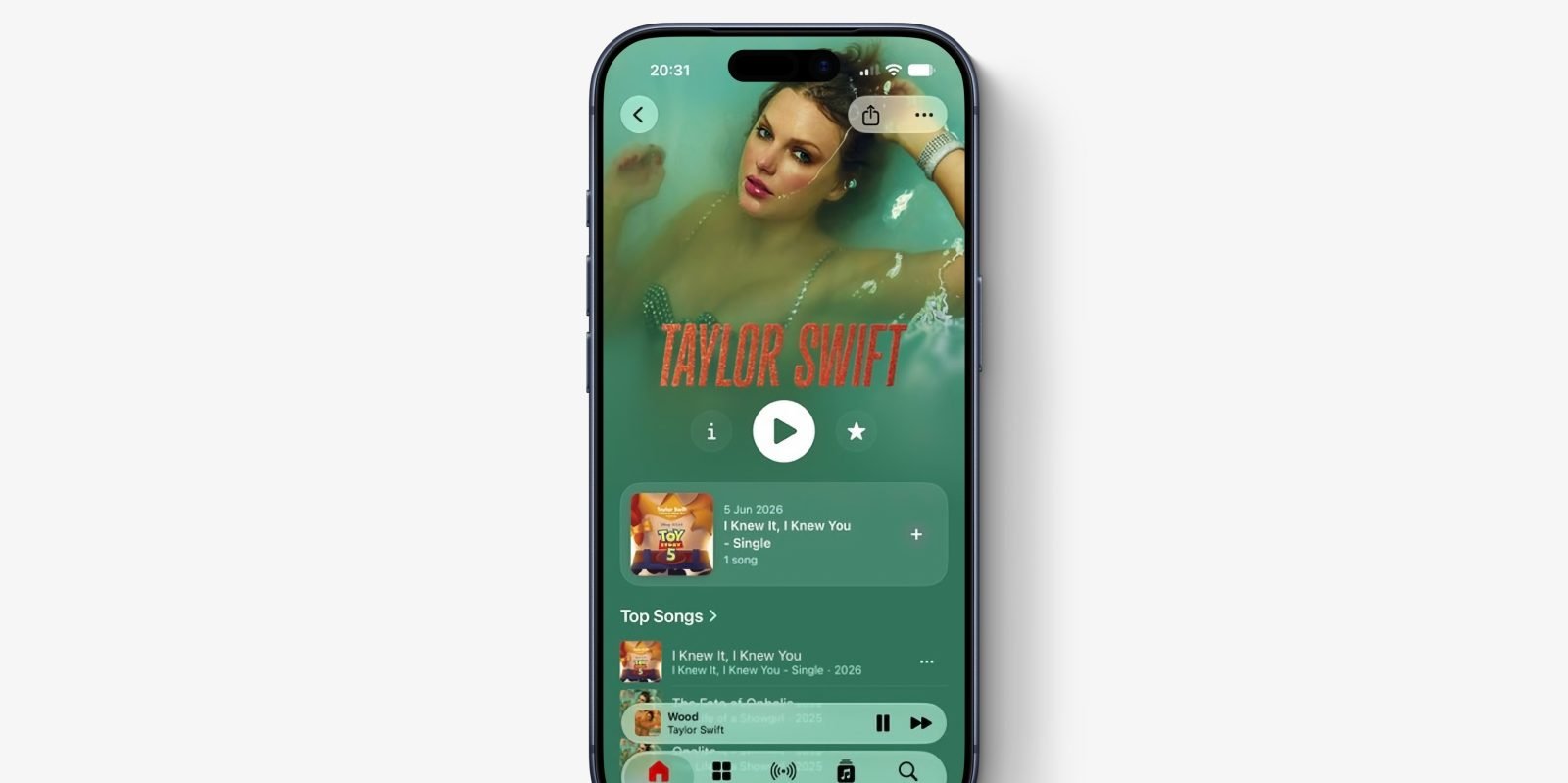
The most visible update is the redesigned artist page. Apple moved the shuffle play button to a more prominent position, reworked how the artist name displays, and adjusted several smaller layout elements. Apple also claims album pages received an update, though beta 1 shows no visible difference there yet. Early betas frequently ship server-gated UI, so the album changes may simply be flagged off until a later seed.
The more interesting work sits under the hood. AutoMix, the feature that builds DJ-style transitions between tracks by matching key and tempo, gets upgraded algorithms in iOS 27. Apple says the new model produces smoother handoffs from one song to the next. The plain Crossfade option remains for anyone who prefers a predictable fade rather than beat-matched mixing. Notably, AutoMix expands beyond the iPhone for the first time, reaching Apple TV and HomePod.
Why it matters for developers
Two changes stand out from a platform perspective. First, the Now Playing screen now supports both portrait and landscape orientations. This resolves a long-standing request, and the timing is not accidental. A Now Playing view that adapts cleanly to landscape is groundwork for the foldable iPhone expected later this year, where a large unfolded display makes a portrait-locked media screen feel broken. If you maintain apps that present audio or now-playing metadata, this is a reminder to audit your own layouts against the wider and taller geometries that foldables introduce.
Second, Apple Music now hooks into the new Siri AI system. A user can ask Siri about an artist and then issue a follow-up like "play one of her new singles" without restating context. That conversational state is handled by the assistant, and the music session kicks off from intent rather than an explicit app command. For anyone working with App Intents and SiriKit, this signals where Apple wants third-party media apps to head: surfacing structured intents that the assistant can chain together mid-conversation.
Apple TV users also gain hi-res lossless streaming, closing a gap with the iPhone and Mac clients.
Performance and reliability
Apple folded several performance improvements into the iOS 27 Music client. The company cites faster loading of the Now Playing view and quicker streaming start times, which should make a cold launch feel more responsive. Apple also mentions unspecified changes that improve the "reliability of Apple Music streaming." Apple did not elaborate, but the likely target is playback stability under poor network conditions, fewer stalls and rebuffering events on cellular data where bandwidth fluctuates.

What to watch in the beta cycle
Because this is beta 1, treat the album page redesign and any AutoMix behavior as provisional. Features tied to the foldable iPhone and the Siri AI system depend on hardware and services that ship later in the year, so the full picture will not be clear until the public release in the fall. Developers maintaining cross-platform music or media apps should track the iOS 27 release notes as later seeds land, particularly anything touching MusicKit, App Intents, and orientation handling.
For now, the throughline is consistent: Apple is spreading Apple Music features across more of its devices, leaning harder on on-device intelligence for both transitions and assistant integration, and quietly preparing its media surfaces for a foldable form factor.
Comments
Please log in or register to join the discussion